Strengthening Europe's Autonomous Defence Ecosystem: AV's Halo Shield Bridges the Military-Civil Divide Ahead of NATO's Next C-UAS Challenge
As drone threats continue to evolve and increasingly target critical infrastructure, AV's Business Development Director for C-UAS in Europe, Zac George, outlines NATO's next counter-drone challenge and explains how the company's Halo Shield platform helps close the gap between military and law enforcement systems through integrated, interoperable multi-layered defence.
Highlights
- AV's C-UAS Europe Business Development Director Zac George identifies the military-to-civilian coordination gap as NATO's most critical unresolved counter-drone challenge.
- AV's Halo Shield platform integrates data from heterogeneous sensors into a unified command interface, enabling real-time situational awareness sharing across military and law enforcement agencies.
- Halo Shield is purpose-built to support interoperable, multi-layered defence architectures, addressing the fragmented information sharing and misaligned command chains seen in existing systems.
- AV is actively expanding its footprint in the European market, with Halo Shield serving as the centrepiece of its regional counter-drone strategy.
- European nations must adopt cross-institutional, cross-system integration — moving beyond siloed agency thinking — to effectively protect critical infrastructure from evolving drone threats.
Strengthening Europe's Autonomous Defence Ecosystem: Integration Is the Key
Building a stronger autonomous defence ecosystem across Europe is about far more than deploying cutting-edge technology — it fundamentally requires systemic integration and collaboration.
As drone threats grow more sophisticated and increasingly target critical infrastructure, successfully meeting these challenges depends on the ability to bring together law enforcement agencies, military forces, sensors, and effectors within a unified, interoperable, multi-layered defence network.
NATO's Next Counter-Drone Challenge
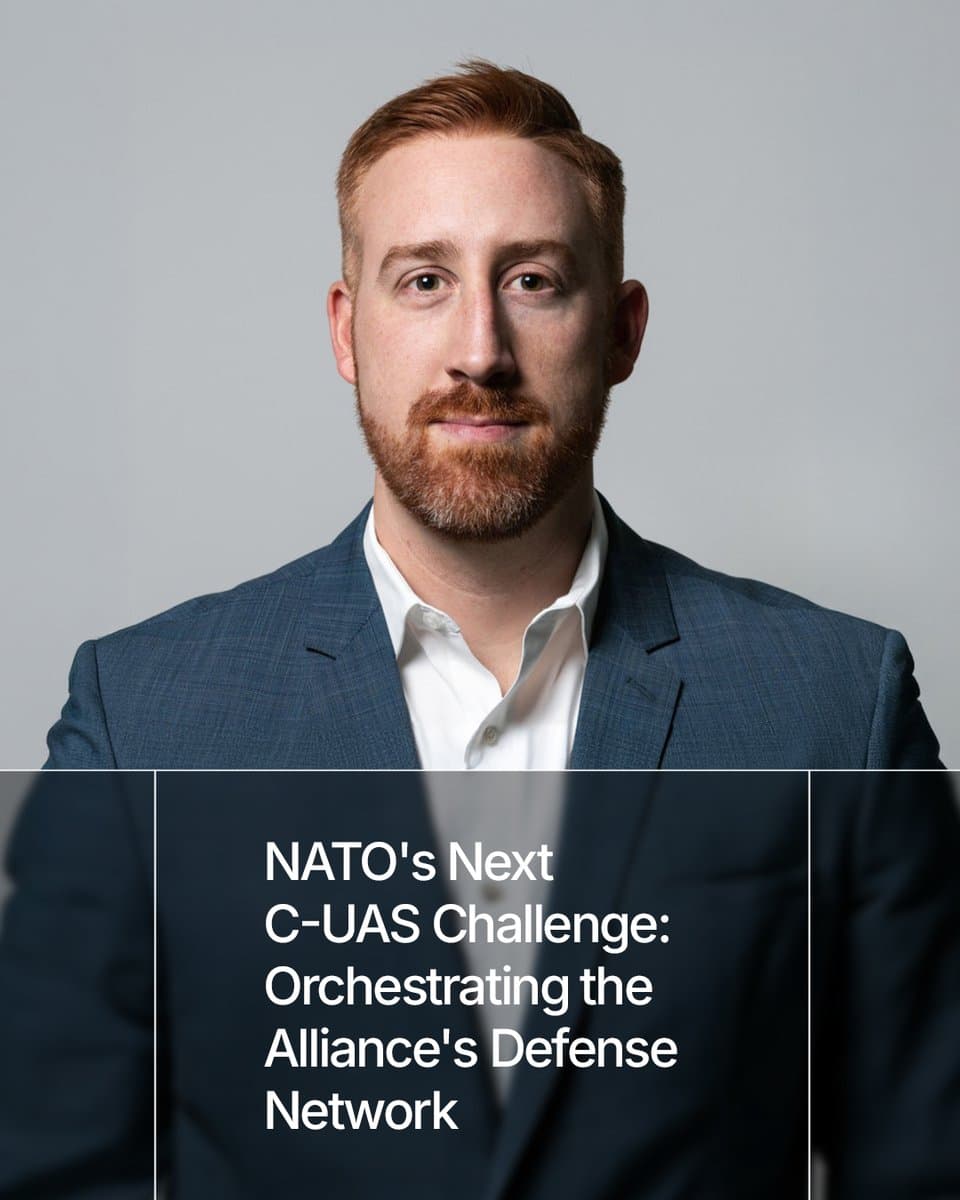
Zac George, AV's Director of Business Development for Counter-UAS (C-UAS) in Europe, has offered a detailed analysis of the most pressing counter-drone challenges now facing NATO. He identifies the most significant pain point in existing defence architectures as the coordination gap between military and civilian (law enforcement) systems — a divide that frequently manifests in fragmented information sharing, misaligned command chains, and inconsistent response procedures.
How Halo Shield Bridges the Military-Civil Divide
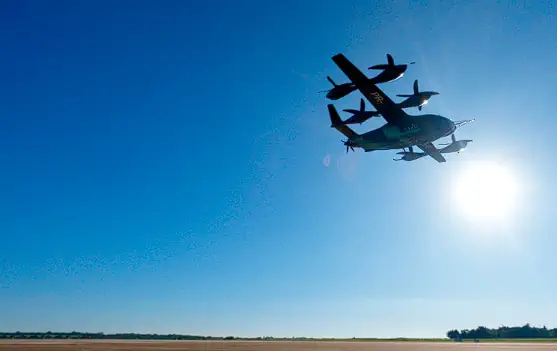
AV's expansion into the European market centres on its flagship counter-drone solution, Halo Shield. The system was purpose-built to bridge the divide between military and civilian defence capabilities, providing an integrated platform that enables different agencies to operate in concert.
Halo Shield fuses data from multiple heterogeneous sensors and delivers a unified command interface, allowing participating units to share real-time situational awareness and coordinate countermeasures — creating a genuinely interoperable, multi-layered defence architecture.
Outlook
As the drone threat landscape grows ever more complex, European nations seeking to effectively protect critical infrastructure must move beyond siloed, single-agency thinking toward cross-institutional, cross-system integration. AV's European deployment of Halo Shield offers a concrete technological and strategic pathway in that direction.
原文來源: 查看原文
FAQ
Reviewed and published by the LAETimes editorial desk ·