Axon Vision Claims FPV Drone Kill, But Test Footage Raises Questions
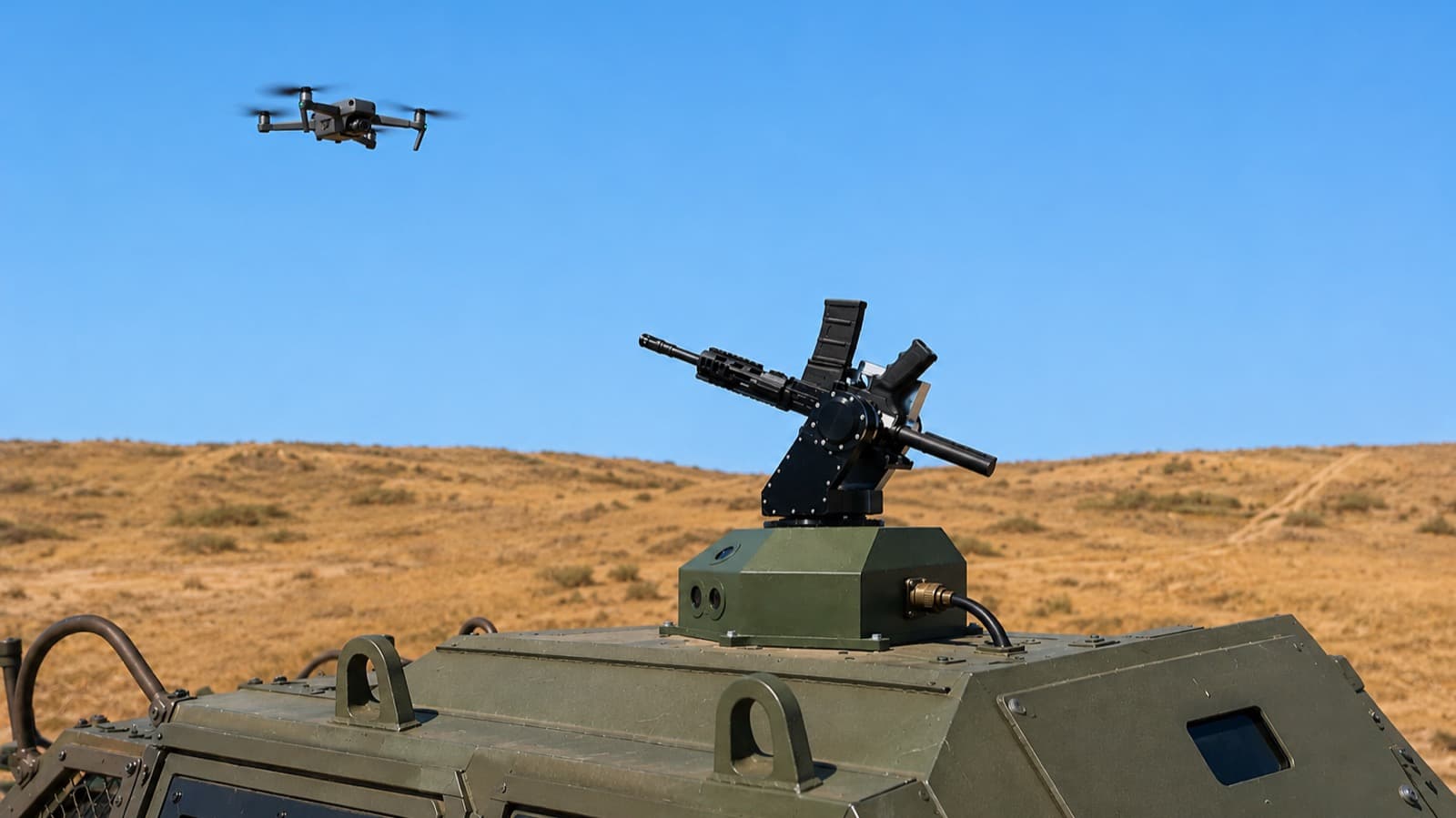
Axon Vision announced its ForceField counter-drone system successfully detected, tracked, and destroyed FPV drone targets in live-fire testing. However, publicly released footage has prompted scrutiny from industry observers who question whether the target was a high-speed FPV racing drone or a slower commercial camera drone — a distinction with significant implications for the system's real-world effectiveness.
Highlights
- Axon Vision 宣稱其 ForceField 反無人機系統在實彈測試中成功偵測、追蹤並摧毀FPV無人機目標。
- 外界觀察人士質疑測試影片中被擊落的是高速FPV競速無人機還是較慢的商用攝影無人機,兩者性能差距達數百公里時速。
- 若測試目標為一般攝影無人機而非FPV競速機,ForceField 系統的實際作戰效能評估將大幅降低。
- Axon Vision 截至目前尚未就外界質疑提供補充說明或目標無人機型號的官方澄清。
- 業界呼籲反無人機廠商應引入更嚴謹透明的第三方測試驗證,以建立市場公信力。
Axon Vision has announced that its newly developed ForceField counter-drone system demonstrated the ability to detect, track, and destroy FPV drone targets during live-fire testing. Yet the footage the company released publicly has drawn pointed skepticism from industry observers and external analysts.
What Axon Vision Claims ForceField Can Do
According to Axon Vision's official statements, the ForceField system can effectively counter fast-moving FPV (first-person view) drones under combat-realistic conditions — covering the full operational chain from detection and tracking through to terminal engagement. FPV racing drones are widely regarded as one of the most demanding challenges facing counter-drone systems today, owing to their high speed and agile maneuverability.
Why the Footage Is Being Questioned
After closely reviewing the live-fire test video released by Axon Vision, outside observers have raised a critical question: Was the drone shot down actually a high-speed FPV racing drone, or was it a comparatively slow commercial camera drone?
The distinction matters enormously. FPV racing drones can exceed speeds of several hundred kilometers per hour and are capable of highly dynamic maneuvers, whereas typical commercial imaging drones fly far more slowly and pose a significantly lower challenge to counter-drone systems. If the target in the test was the latter, the system's real-world operational effectiveness would be considerably less impressive than claimed.
A Credibility Test for the Counter-Drone Industry
The controversy highlights a persistent problem in the counter-drone sector: vendors frequently lack transparency about the specifications and flight conditions of target drones used in promotional testing, making independent verification extremely difficult.
Axon Vision has not yet issued any further clarification or supplementary documentation in response to the criticism. Industry observers are calling on counter-drone system manufacturers to subject their technologies to more rigorous, transparent, and independent third-party validation before making broad capability claims.
This article is based on publicly available reporting. Axon Vision has not provided official clarification regarding the type of drone used as the target in its test.
原文來源: 查看原文
FAQ
Reviewed and published by the LAETimes editorial desk ·