Pakistan Integrates Turkish Bayraktar Akıncı UCAV, Deliveries Underway Since 2023
Pakistan has reportedly inducted the Turkish-made Bayraktar Akıncı unmanned combat aerial vehicle (UCAV) into its military arsenal, with deliveries beginning in 2023. Developed by Baykar, the Akıncı is a high-altitude, long-endurance platform with a maximum take-off weight of approximately 6,000 kg and a payload capacity of up to 1,500 kg — a significant capability leap over the smaller Bayraktar TB2 already in Pakistani service.
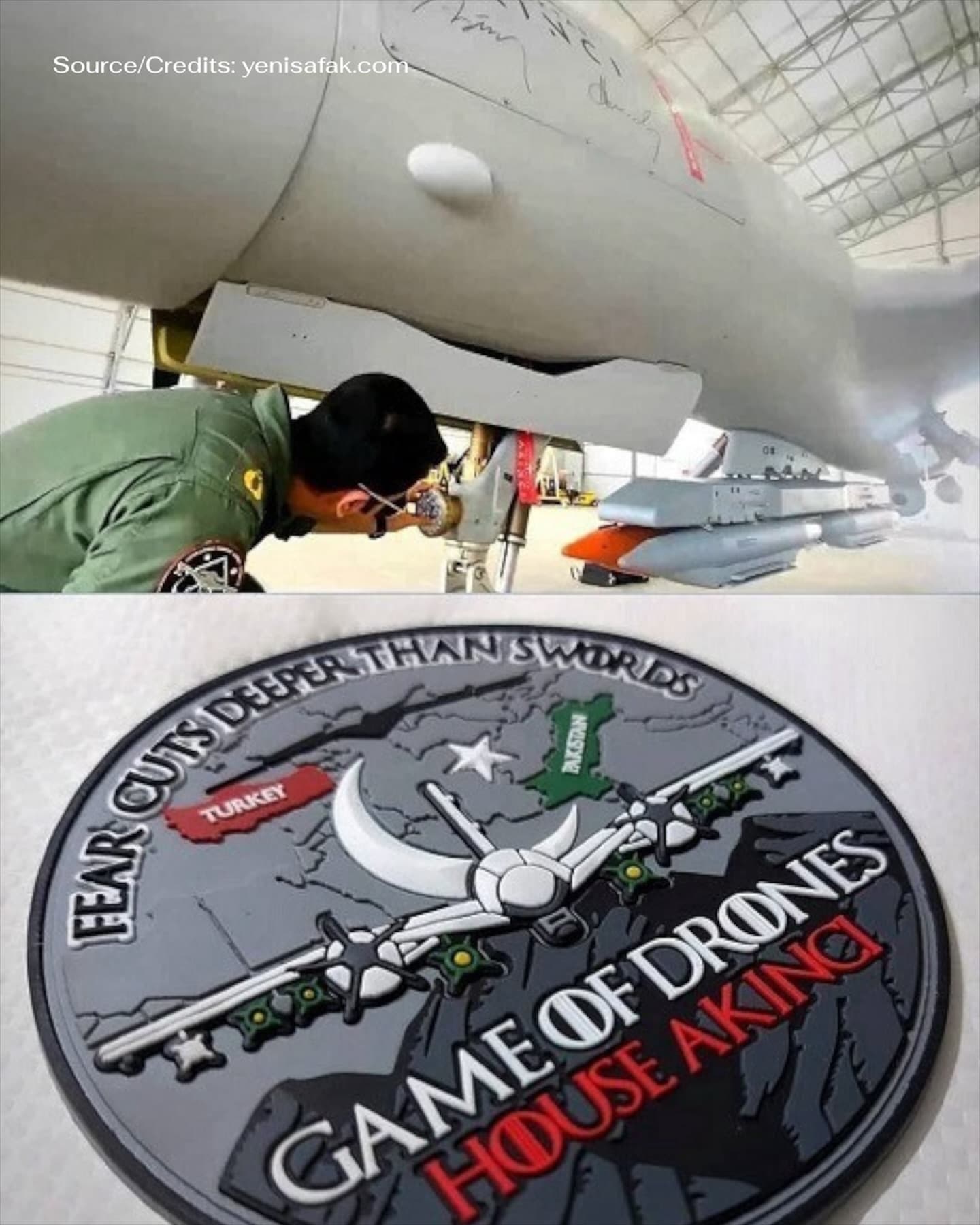
Highlights
- Pakistan began receiving Baykar's Bayraktar Akıncı UCAV in 2023, formally integrating the platform into its military arsenal.
- The Akıncı has a maximum take-off weight of 6,000 kg and can carry up to 1,500 kg of payload across nine hardpoints — ten times the TB2's 150 kg payload capacity.
- The aircraft offers an endurance of more than 24 hours, a service ceiling of 40,000 feet, and satellite-enabled long-range operation.
- Weapons compatible with the Akıncı include MAM-L and MAM-T laser-guided munitions as well as the SOM stand-off cruise missile family.
- Pakistan has not publicly disclosed the specific weapons configuration of its Akıncı fleet as of the time of reporting.
Pakistan has reportedly formally inducted the Turkish-manufactured Bayraktar Akıncı unmanned combat aerial vehicle (UCAV) into its military arsenal, with deliveries confirmed to have begun in 2023 and operational activities subsequently underway.
About the Bayraktar Akıncı
Developed by Turkish defence company Baykar, the Bayraktar Akıncı is a high-altitude, long-endurance (HALE) UCAV powered by twin turboprop engines. The aircraft has a maximum take-off weight of approximately 6,000 kg and features nine hardpoints capable of carrying a combined internal and external payload of up to 1,500 kg.
In terms of performance, the Akıncı boasts an endurance exceeding 24 hours, a service ceiling of approximately 40,000 feet (around 12,200 metres), and a maximum operational range of several thousand kilometres enabled by its satellite communications system. Its avionics suite integrates an active electronically scanned array (AESA) radar, electro-optical and infrared (EO/IR) sensors, satellite datalinks, and electronic warfare capabilities.
How It Compares to the TB2
Compared to the Bayraktar TB2 — which Pakistan has operated for several years — the Akıncı represents a substantial upgrade in overall capability. The TB2 carries a payload of only around 150 kg, whereas the Akıncı can deploy heavier precision-guided munitions, including MAM-L and MAM-T laser-guided smart micro munitions, as well as larger stand-off weapons such as the SOM cruise missile family.
Pakistan's Weapons Configuration Not Yet Disclosed
Pakistan has not publicly disclosed the full weapons configuration of its Akıncı fleet. While Pakistan has domestic precision-guided munitions development programmes, no confirmed public information currently indicates that indigenous Pakistani weapons form the primary armament of its Akıncı platforms.
Source: yenisafak.com
原文來源: 查看原文
FAQ
Reviewed and published by the LAETimes editorial desk ·