Cellebrite Claims It Stopped Selling to Russia, But Its Tools Were Still Used to Hack a Dissident's iPhone
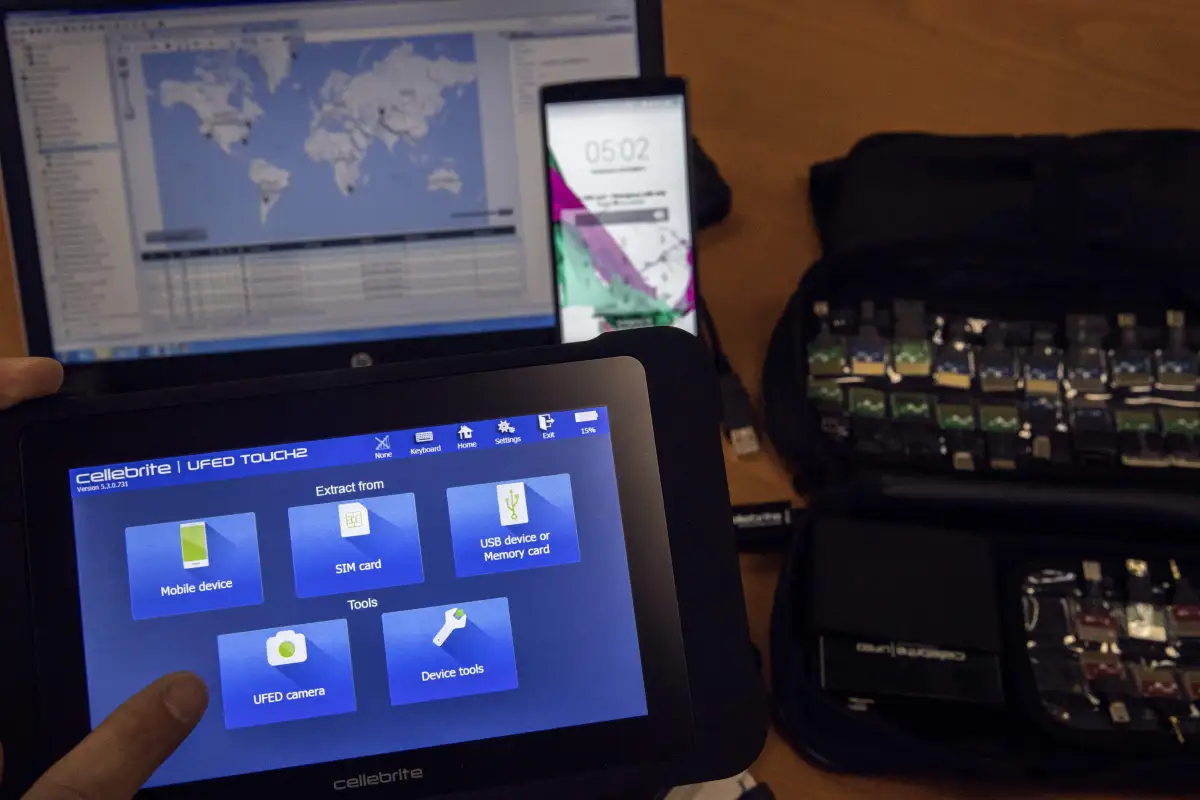
Security researchers have found evidence that Russian authorities used phone-unlocking devices made by Israeli digital forensics firm Cellebrite to access a political dissident's iPhone — despite Cellebrite's public pledge to halt sales to the Putin government following Russia's invasion of Ukraine in 2022. The findings raise serious questions about the real-world effectiveness of voluntary export bans and corporate compliance mechanisms.
Highlights
- Security researchers found Cellebrite UFED forensic traces on a Russian political dissident's iPhone, indicating the tools were used by Russian authorities after Cellebrite's 2022 sales ban.
- Cellebrite announced in 2022 it had halted all sales and operations in Russia and Belarus following the outbreak of the Russia-Ukraine war and international sanctions pressure.
- Researchers believe Russia may have continued acquiring Cellebrite devices via third-party resellers, grey markets, or stockpiles held before the ban took effect.
- The incident highlights a systemic gap in voluntary corporate export bans, which critics say are insufficient without enforceable compliance and auditing mechanisms.
- As of publication, Cellebrite has not issued an official response to the researchers' findings.
Security researchers have uncovered critical evidence indicating that Russian authorities are still using phone-unlocking devices manufactured by Israeli digital forensics company Cellebrite to gain unauthorized access to a political dissident's iPhone — even though Cellebrite publicly announced it would cease sales to Vladimir Putin's government.
Background
Cellebrite is one of the world's leading manufacturers of digital forensics equipment. Its flagship product, the UFED (Universal Forensic Extraction Device), is widely used by law enforcement agencies around the globe to unlock and extract data from mobile devices. Following the outbreak of the Russia-Ukraine war, and under mounting international pressure to comply with sanctions against Moscow, Cellebrite announced in 2022 that it was suspending business operations with both Russia and Belarus.
However, the evidence now presented by researchers suggests that this announcement has done little to prevent Russian authorities from continuing to acquire and deploy these tools.
What Researchers Found
While investigating a digital surveillance case targeting a Russian politician or political dissident, security researchers discovered technical traces left by Cellebrite tools on the victim's iPhone. These indicators suggest that Russian authorities have continued to obtain and operate the relevant equipment through some channel — potentially including third-party resellers or pre-existing stockpiles acquired before the sales ban took effect.
Sanctions Loopholes and Corporate Accountability
The case has reignited debate over the practical effectiveness of voluntary "stop-sale" declarations made by technology companies. Critics argue that even when an original manufacturer ceases direct sales, authoritarian governments can still procure sensitive technology through grey markets, intermediaries, or other indirect channels.
The incident also throws into sharp relief whether the export control and compliance audit mechanisms of technology firms are sufficiently robust when confronted with global digital human rights challenges.
Cellebrite has not yet issued an official response to the researchers' findings.
This article addresses digital human rights, surveillance technology, and export controls — issues that, while not directly related to drones, fall within the broader debate over how emerging technologies are exploited in international geopolitical conflicts.
原文來源: 查看原文
FAQ
Newsletter
Subscribe to our Low-Altitude Industry Newsletter
Daily curated news on low-altitude economy and drone industry, delivered to your inbox.
Reviewed and published by the LAETimes editorial desk ·