Fort Worth Police Department Takes Vendor-Neutral Approach to Building Its Drone as First Responder Program
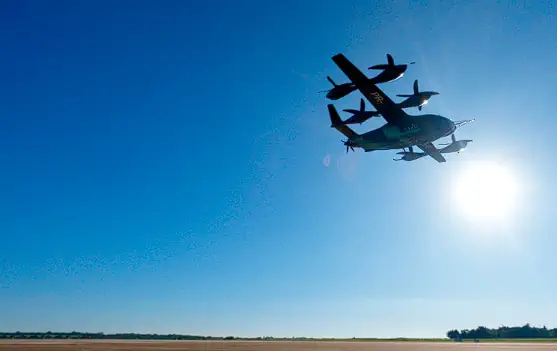
The Fort Worth Police Department (FWPD) in Texas has adopted a vendor-neutral evaluation strategy for its Drone as First Responder (DFR) program, conducting hands-on trials of multiple systems before committing to a platform. As law enforcement agencies across the U.S. increasingly integrate DFR capabilities, FWPD's approach offers a replicable model for objective system selection based on real-world operational performance.
Highlights
- Fort Worth Police Department is building its DFR program using a vendor-neutral strategy that involves live, hands-on trials of systems from multiple providers before any procurement decision is made.
- DFR drones can arrive on scene within minutes of dispatch, delivering real-time aerial imagery that improves situational awareness and officer safety.
- Each U.S. city presents unique variables — geography, population density, regulations, and budget — making a tailored evaluation process essential rather than copying another agency's model.
- FWPD's approach is being highlighted as a replicable model for other law enforcement agencies planning or expanding DFR programs across the United States.
- Rigorous procurement evaluation is identified as one of the most important factors in determining the long-term success of a DFR program.
By Jim Magill, DRONELIFE Staff Writer
As police departments across the United States continue to add Drone as First Responder (DFR) programs to their law enforcement toolkits, agencies face a critical decision: which DFR system best fits their specific operational needs?
A Vendor-Neutral Evaluation Strategy
The Fort Worth Police Department (FWPD) in Texas has taken a notably distinctive path in building its DFR program — adopting a vendor-neutral strategy that involves hands-on "test drives" of systems from multiple providers, rather than committing to a specific brand or platform from the outset.
This approach allows the department to objectively compare different systems in real operational environments, evaluating performance across key criteria including functionality, reliability, ease of use, and integration capability. The result is a procurement decision grounded in practical experience rather than vendor presentations alone.
The Rise of DFR Programs in U.S. Law Enforcement
DFR programs have seen rapid adoption across American police departments in recent years. Drones can arrive on scene within minutes of a call being dispatched, delivering real-time aerial imagery that helps command centers gain situational awareness — significantly improving both response speed and officer safety.
However, every city presents a unique set of variables: geography, population density, regulatory requirements, and budget constraints all differ. As a result, law enforcement agencies cannot simply replicate another department's model; each must conduct a careful, needs-based evaluation before selecting a DFR system.
A Model Worth Following
Fort Worth PD's vendor-neutral evaluation strategy offers a valuable blueprint for other agencies planning or expanding DFR programs. By prioritizing hands-on testing over spec sheets and sales pitches, departments can more accurately determine which system will deliver genuine operational value in day-to-day law enforcement missions.
As drone technology continues to advance and the regulatory landscape matures, DFR programs are expected to expand further across U.S. law enforcement agencies. The rigor of the procurement and evaluation process will remain one of the most important factors in determining a program's long-term success.
原文來源: 查看原文
FAQ
Reviewed and published by the LAETimes editorial desk ·