DIU and U.S. Air Force Partner to Develop MQ-9A Reaper Successor
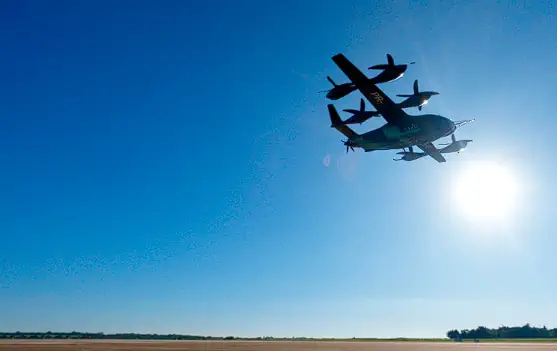
The Defense Innovation Unit (DIU) and the U.S. Air Force are jointly developing the Massed Modular Aircraft (MMA) to replace the MQ-9A Reaper, which costs up to $50 million per aircraft. The program targets an Initial Operational Capability of 20 MMA units by FY2031, with proposals due July 23. The initiative prioritizes low-cost, modular, and mass-producible designs capable of operating in high-threat environments.
Highlights
- DIU and the U.S. Air Force are developing the Massed Modular Aircraft (MMA) to replace the MQ-9A Reaper, which costs up to $50 million per unit depending on payload configuration.
- The MMA program requires an Initial Operational Capability of 20 aircraft by FY2031, with industry proposals due July 23.
- The U.S. Air Force currently has only 135 MQ-9A aircraft remaining after losing 24 in combat with Iran; the MQ-9A production line was shut down in 2024.
- Brigadier General Christopher Niemi confirmed he approved the MQ-9A successor requirements document and indicated the Air Force may reference the Collaborative Combat Aircraft (CCA) process.
- The Senate NDAA FY2027 calls for building at least 45 MQ-9s before FY2029 to reach a minimum fleet threshold of 180 aircraft.
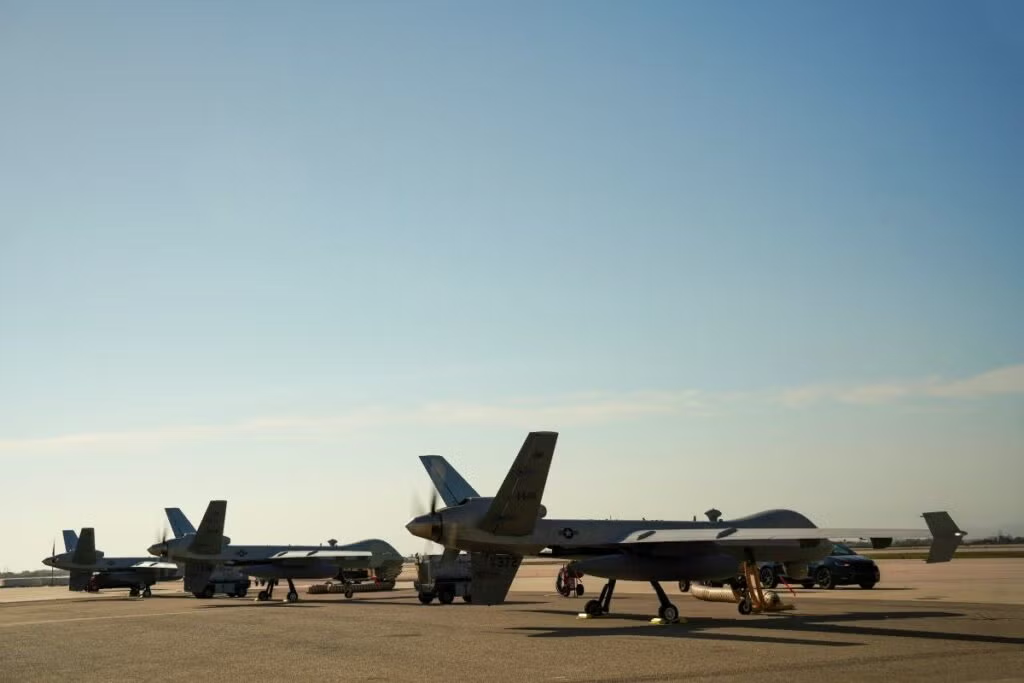
The Defense Innovation Unit (DIU) and the U.S. Air Force are jointly advancing a program to replace the General Atomics MQ-9A Reaper — a platform that can cost up to $50 million per aircraft depending on its payload configuration.
Unsustainable Cost of Existing Platforms
In a solicitation for the future Massed Modular Aircraft (MMA), DIU stated: "The joint force's dependence on low-density, high-value 'exquisite' manned and unmanned aircraft costing more than $30 million per unit is not sustainable against adversaries that have constructed layered defenses using low-cost air defense capabilities."
DIU emphasized that the MMA must retain the ability to carry multiple payload types — including full-motion video sensors — to perform the missions currently assigned to the MQ-9A. "By deploying large numbers of risk-tolerant MMAs, the joint force can suppress enemy defenses even while absorbing multiple MMA losses. A persistent MMA presence — launching weapons, collecting intelligence, conducting electronic warfare, or relaying communications — will force adversaries to remain constantly on the defensive. This unrelenting pressure will exhaust enemy resources, compelling them to expend expensive air defense missiles faster than they can be replenished."
Initial Operational Capability Target: FY2031
DIU is requiring an Initial Operational Capability (IOC) of 20 MMA aircraft by FY2031. The deadline for proposal submissions is July 23.
The U.S. Air Force stated on July 8: "While the Air Force continues to maximize the value of the existing MQ-9 fleet through targeted repairs and procurement of existing airframes to meet current combatant commander needs, long-term planning is increasingly focused on operational concepts built on mass, mobility, persistence, and distributed lethality."
The Air Force added that future Intelligence, Surveillance, and Reconnaissance (ISR) capabilities would be "designed from the outset for mass production, rapid deployment, and a higher operational risk tolerance than traditional aircraft." It further noted that open system architecture and modular design are core elements of this vision — not afterthought enhancements.
Air Force Brigadier General Confirms Requirements Document Approved
In May, Brigadier General Christopher Niemi, responsible for force modernization, confirmed he had approved the requirements document for the MQ-9A successor. He also revealed that the Air Force is considering drawing at least partially on the Collaborative Combat Aircraft (CCA) process to advance the replacement program.
Testifying before Congress, Niemi said: "We believe that through modern manufacturing techniques, we can procure an aircraft that is more resilient, better suited to open architecture, easier to mass-produce, and ultimately employable in a more attritable manner."
He added: "The MQ-9 performed well in Middle East conflicts, but depending on sensor configuration, a single MQ-9 can cost up to $50 million. By adopting a more modular design, we see an opportunity — if a platform is known to be operating in a high-threat environment, relevant payload components can be removed, bringing the unit cost down to a far more competitive level."
Combat Attrition and Fleet Status
Air Force Chief of Staff General Kenneth Wilsbach stated in May that the Reaper had conducted far more ground attack sorties against Iran than any other platform. However, the U.S. Air Force currently has only 135 MQ-9A aircraft remaining, having lost 24 during hostilities with Iran.
The MQ-9A production line was shut down in 2024, though General Atomics continues to produce the MQ-9B SkyGuardian and SeaGuardian variants.
The Senate Armed Services Committee's version of the FY2027 National Defense Authorization Act (NDAA) calls for the construction of at least 45 MQ-9s before the start of FY2029, in order to reach a minimum fleet threshold of 180 aircraft.
Portions of this article originally appeared in sister publication Defense Daily.
原文來源: 查看原文
FAQ
Reviewed and published by the LAETimes editorial desk ·