DJI Air 4, Avata 360, N610BS: US Buyers Left on the Sidelines
DJI's 2026 product pipeline is advancing globally, but US buyers remain locked out. The Air 4 has appeared in a Chinese flight-logging app, the mysterious N610BS has cleared Chinese radio certification, and the Avata 360 began shipping worldwide in March — all blocked from the US market by a triple layer of FCC, Pentagon, and Customs restrictions.
Highlights
- The DJI Air 4, expected to weigh under 250 grams, appeared in a Chinese flight-logging app on May 11, 2025, but cannot be legally imported to the US without prior FCC authorization.
- The DJI Avata 360 — DJI's first drone combining 360-degree capture with FPV flight, priced at $499 — shipped globally on March 26 but was delayed four days for the US market.
- An unidentified DJI model, N610BS, cleared Chinese CMIIT radio certification with a BD variant bearing certification number 2026-7820; its product category remains unknown.
- Three overlapping US regulations block new DJI hardware: the FCC Covered List (effective December 22, 2025), the DoD Section 1260H 'Chinese military company' designation (reaffirmed June 8, 2026), and UFLPA customs seizures active since October 2024.
- The DC Circuit Court of Appeals heard oral arguments on DJI's appeal (Case No. 25-5367) on February 6, 2026, and has not yet ruled; a conditional FCC approval pathway opened in March 2026 remains the only visible route for new DJI models to re-enter the US market.
DJI's 2026 product pipeline keeps moving forward, while US buyers are left watching from the sidelines. The Air 4 surfaced in a Chinese flight-logging app as early as May; an unidentified model designated N610BS has just cleared Chinese radio type approval; and the Avata 360 began shipping globally in March. Every new product hits the same wall: without prior FCC authorization, no new DJI drone — regardless of how far it outpaces the competition — can be legally imported or sold in the United States.
Air 4 Checks the FAA Box — and Still Can't Enter the US
The DJI Air 4 is the anticipated successor to the Air 3S, and leaked information indicates it weighs under 250 grams, placing it below the FAA registration threshold — a weight class that typically exempts hobbyists from filing requirements. But that weight advantage solves the wrong problem. The regulations blocking it have nothing to do with weight.
The Air 4 first appeared on May 11 inside a Chinese drone flight-logging app, listed in an aircraft selection dropdown alongside the Insta360 Antigravity A1. This was a database-level sighting, not a marketing render.
Leaked specifications point to the Air series' familiar dual-camera layout: a 1-inch primary sensor paired with a smaller telephoto lens, DJI O4+ transmission, and 38 to 40 minutes of flight time. Overall weight is listed at under 250 grams (0.55 lbs), far lighter than the Air 3S's 724 grams (1.6 lbs). A lower-confidence leak mentions dual 1-inch sensors, though that detail remains unverified.
A lot of current coverage has the framing wrong. Sub-250-gram drones exempt recreational pilots from FAA registration and Remote ID requirements, and tech outlets have framed this as a major regulatory advantage for the Air 4. It is not. The real barrier is nowhere near the weight threshold.
The 250-gram threshold is also steadily losing its significance. The UK lowered its registration threshold to 100 grams in January, and EASA is planning to bring Europe in line. Regulators are deliberately narrowing the 249-gram loophole, because many users do genuine commercial work with lightweight DJI drones.
The actual gate blocking the Air 4 is the FCC — and the FCC does not care how much your drone weighs.
Avata 360 Already Ran the Same Playbook
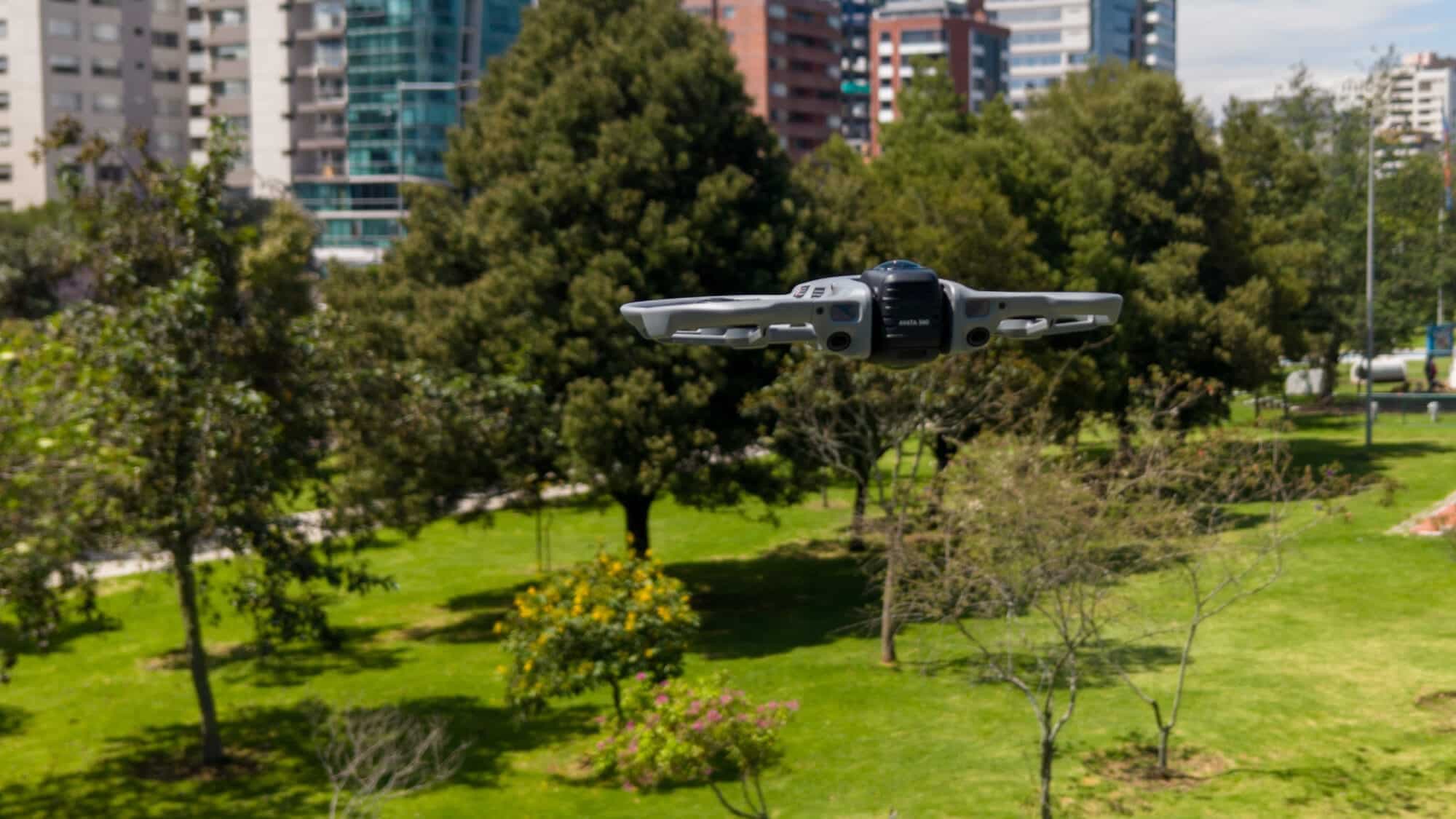
The Avata 360 is the clearest preview of what the Air 4 faces in the US market. DJI began global shipments on March 26, but pushed the US launch date back to March 30. Global availability and US availability are now two separate timelines.
The Avata 360 is DJI's first drone to combine native 360-degree capture with full FPV flight, recording 8K spherical video over DJI O4+. It retails for $499 — more than $1,000 cheaper than the Insta360 Antigravity A1. By specs and price point, this is the kind of product that would have sold out on day one in the US.
If you have been waiting for the DJI Avata 3, this is the closest answer available. Prototype images that circulated for months under the Avata 3 label turned out to belong to this 360 model. There is still no confirmed traditional Avata 3 successor. DJI shipped the Avata 360, nearly on its originally announced date, to almost every market in the world — except the United States.
N610BS Is the Mystery Nobody Can Explain
N610BS is the wildcard in DJI's 2026 filing activity. The model designation surfaced in Chinese CMIIT radio certification, but does not fit any of DJI's existing naming conventions. It is not Air, not Avata, not Mini, and not Neo. Nobody outside DJI currently knows what it is.
Two variants appear in the filings: N610BS and N610BS-BD, with the BD variant carrying its own certification number, 2026-7820. DJI has disclosed no specifications or market positioning. Observers who track these regulatory filings suggest it could indicate a new product tier — a prosumer category sitting above the Air series — but that remains informed speculation.
The more limited, more reliable conclusion: DJI is continuing to register entirely new hardware for certification while a US import ban is in effect. The company is building out a product portfolio for a market it may not be able to sell into.
The Three Locks Standing Between DJI and US Buyers
Three separate US regulatory mechanisms stack on top of each other. Any new DJI drone must clear all three before reaching a US buyer. None of them care about weight or price. They target the company and its country of origin.
Lock One: FCC Covered List On December 22, 2025, following a congressionally mandated security review of DJI that ran past its deadline without conclusion, the FCC added all foreign-manufactured drones and critical components to its Covered List. Existing authorized DJI models remain legal to purchase and fly; however, any new model without prior FCC authorization cannot be legally imported or sold. The Air 4 and N610BS are, by definition, new models.
Lock Two: DoD Section 1260H Designation The Department of Defense has designated DJI a Chinese military company under Section 1260H. A federal court upheld this designation in September 2025, while simultaneously rejecting claims that the Chinese Communist Party owns or controls DJI. DJI appealed; the US Court of Appeals for the DC Circuit heard oral arguments on February 6, 2026, and has not yet issued a ruling. The DoD reaffirmed the designation on June 8, 2026.
Lock Three: CBP Customs Seizures Since October 2024, US Customs and Border Protection (CBP) has been seizing DJI shipments under the Uyghur Forced Labor Prevention Act (UFLPA), which presumes goods linked to Xinjiang involve forced labor. DJI maintains it sources no materials from the region and is not on the UFLPA's formal entity list — but seizures have continued regardless.
Analysis
To be clear, none of this is a DJI problem. It is a US buyer problem. DJI is shipping the Avata 360 worldwide, lining up the Air 4 behind the mysterious N610BS, while the US market argues with itself across the FCC, the Pentagon, and the border.
The March Avata 360 launch was the clearest signal yet: the same drone, the same date, available almost everywhere except the United States. US buyers got a four-day wait that was more symbolic than practical.
At times it seems DJI is widening its lead over competitors faster than US flyers can afford — and American pilots are the ones paying the price.
For those tracking these drones from the US, the grey market price premium is rising. Even so, purchasing a unit abroad does not make flying it domestically legal.
Two developments are worth monitoring — both involve real, ongoing proceedings, not speculation. The DC Circuit has yet to rule on DJI's appeal (Case No. 25-5367) filed in February; that ruling will determine whether the "Chinese military company" designation stands. Separately, the FCC opened a conditional approval pathway in March 2026 — currently the only visible route by which a new DJI model could theoretically re-enter the US market.
Whether any consumer DJI drone actually walks through that door remains an open question, not a promise. Until that changes, the Air 4 is on track to be the drone the rest of the world flies and the US reads about.
原文來源: 查看原文
FAQ
Reviewed and published by the LAETimes editorial desk ·