DJI EV50 Reaches 8,861 Metres Above Sea Level on Mount Everest, Setting New Altitude Record
DJI announced on July 9 that its first eVTOL cargo drone, the DJI EV50, successfully reached an operating altitude of 8,861 metres during a digital scientific expedition on Mount Everest — setting a new world altitude record for drone flight. The 12-day mission involved 32 takeoffs and landings, a maximum continuous climb of 3,730 metres, and marked the first-ever fine-grained sampling of upper-troposphere air pollutants.
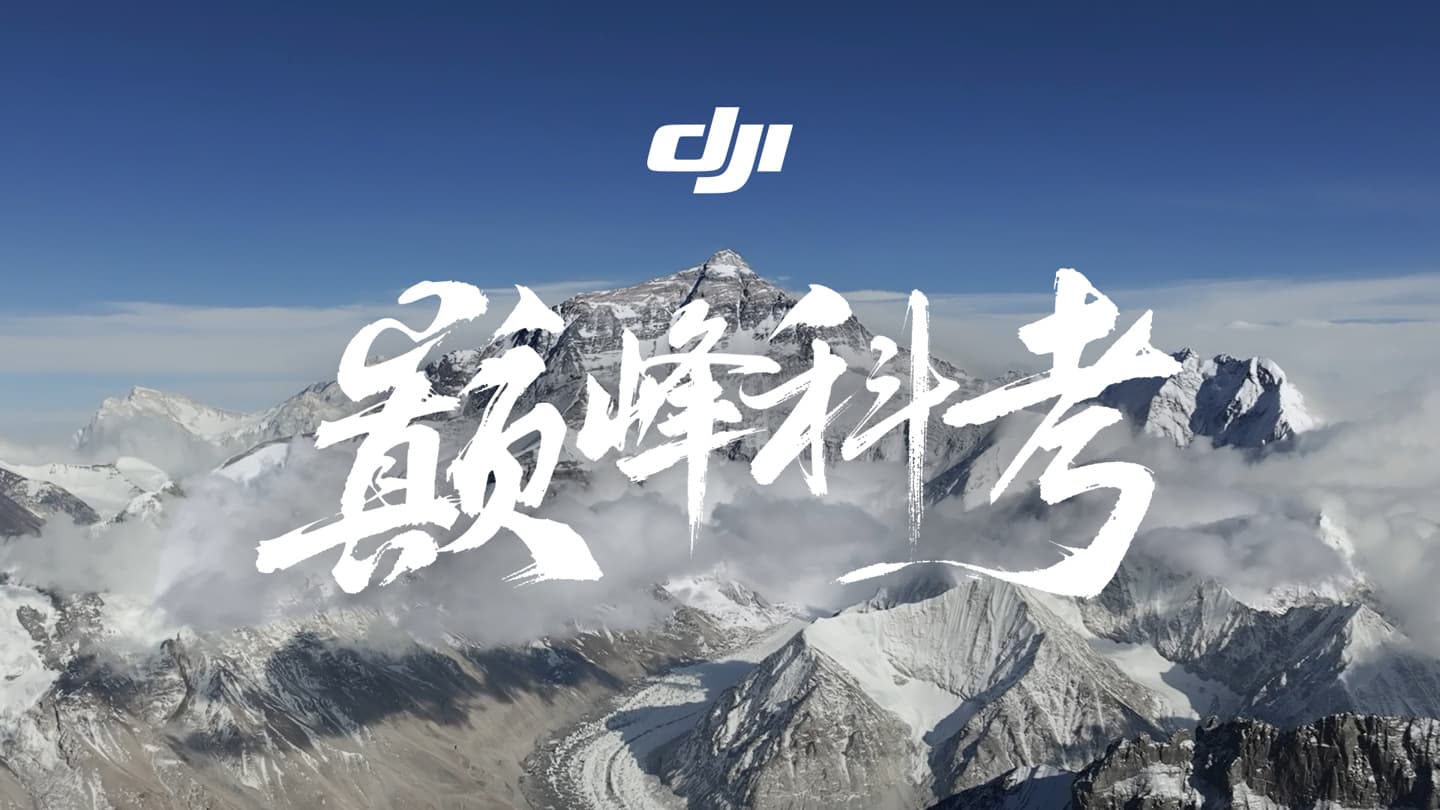
Highlights
- The DJI EV50 eVTOL drone reached 8,861 metres above sea level on Mount Everest on July 9, 2025, setting a new world altitude record for drone flight.
- The 12-day Everest digital scientific expedition involved 32 takeoffs and landings, with a maximum continuous climb of 3,730 metres.
- The zero-emission electric propulsion of the DJI EV50 enabled the first-ever fine-grained sampling of upper-troposphere air pollutants on Everest.
- The DJI EV50 carries a 50 kg payload, has a 150 km unloaded range, a 270-litre cargo bay, and uses an 8-rotor plus 3-pusher redundant propulsion architecture.
- DJI positions the EV50 for hundred-kilometre-class cross-regional cargo logistics, and the Everest mission validates its capability in extreme high-altitude environments.
DJI EV50 Reaches 8,861 Metres on Mount Everest, Setting New Drone Altitude Record
DJI officially announced on July 9 that its first eVTOL vertical take-off and landing (VTOL) cargo drone, the DJI EV50, successfully reached an operating altitude of 8,861 metres above sea level during the Mount Everest Digital Scientific Expedition — establishing a new milestone in drone flight altitude.
Conquering Extreme Conditions: First High-Altitude Atmospheric Sampling
Operating on the harsh northern face of Mount Everest, the DJI EV50 overcame extreme cold, severe wind shear, and ultra-low air pressure to reach its record-breaking operating altitude. Thanks to its fully electric propulsion system — which produces zero exhaust emissions and generates no downwash interference below — the drone enabled the expedition team to conduct fine-grained sampling of upper-troposphere air pollutants for the first time, filling a long-standing gap in high-altitude environmental monitoring data.
12-Day Mission, 32 Flights
According to reporting by Red Star News (红星新闻), the scientific expedition mission spanned 12 days, during which the DJI EV50 completed a total of 32 takeoffs and landings, reached a maximum flight altitude of 8,861 metres, and achieved a maximum continuous climb of 3,730 metres. The mission thoroughly validated the aircraft's reliability and stability under extreme high-altitude conditions.
DJI EV50: Key Specifications
The DJI EV50 is DJI's purpose-built eVTOL cargo drone designed for hundred-kilometre-class, cross-regional aerial logistics. Its main specifications include:
- Vertical Take-Off and Landing (VTOL): No runway required; flexible deployment across diverse terrain
- Range and Payload: Maximum unloaded range of 150 km, maximum payload of 50 kg, and maximum airspeed of 160 km/h unloaded
- High-Capacity Cargo Bay: 270-litre cargo bay
- Redundant Propulsion System: An 8-rotor + 3-pusher redundant propulsion architecture, complemented by redundant pitot tube design and a parachute among multiple active safety mechanisms
The success of this Everest scientific expedition not only demonstrates the DJI EV50's flight capabilities in extreme environments, but also opens new possibilities for future applications in high-altitude scientific research, environmental monitoring, and cargo transport.
原文來源: 查看原文
FAQ
Reviewed and published by the LAETimes editorial desk ·


