DRONELIFE Exclusive: How PDW Is Building Drones That Operate When GPS and Communications Fail
As modern warfare grows increasingly reliant on drones for reconnaissance, targeting, and strike missions, militaries worldwide are prioritizing resilient communications in contested environments. PDW is developing advanced drone communication systems designed to keep UAVs operational even when GPS signals and data links are jammed or completely severed.
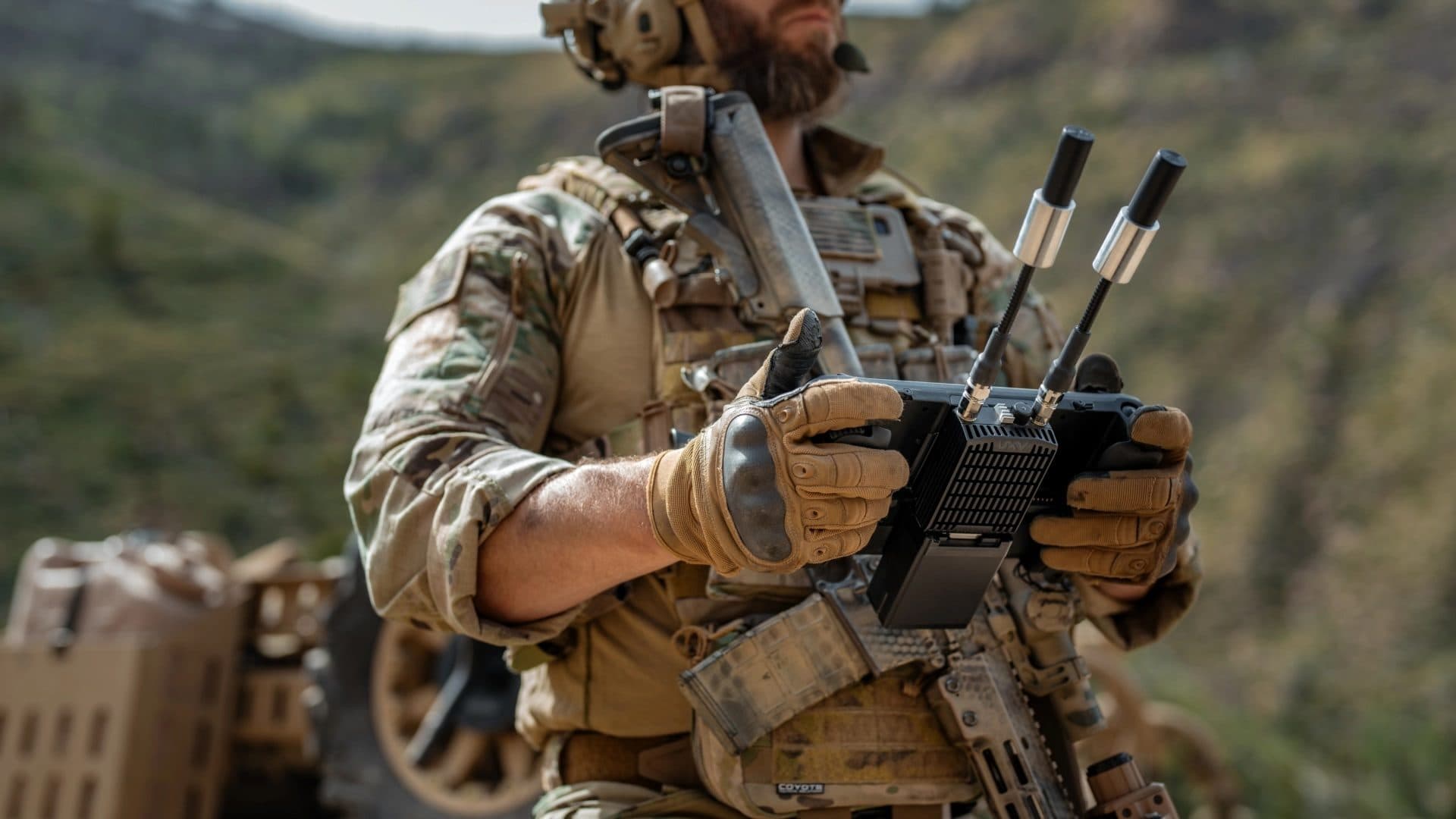
Highlights
- PDW is developing advanced drone communication systems that allow UAVs to maintain autonomous operations even when GPS signals and data links are jammed or completely severed.
- Electronic warfare threats — including GPS jamming and spoofing — can strip conventionally designed drones of navigation and command capabilities, creating critical operational vulnerabilities on modern battlefields.
- GPS-denied drone technology is emerging as a top military investment priority globally, driven by lessons learned from recent international conflicts.
- PDW's anti-jamming drone solutions are designed to preserve intelligence, surveillance, reconnaissance, and precision strike capabilities in the most heavily contested electromagnetic environments.
- The military drone market is expected to increasingly favor platforms capable of operating in GPS-denied environments, making anti-jamming communications a defining competitive differentiator.
PDW Develops Advanced Drone Communication Systems to Counter Electronic Warfare Threats
By Jim Magill, Contributing Editor, DRONELIFE
As modern warfare grows increasingly reliant on unmanned aerial vehicles (UAVs) for reconnaissance, targeting, and strike missions, militaries around the world are coming to a stark realization: maintaining reliable communications with drones in heavily contested electromagnetic environments is no longer optional — it is mission-critical.
Communications Jamming Emerges as a Key Battlefield Challenge
On today's battlefields, electronic warfare (EW) capabilities are evolving rapidly. Adversaries can exploit GPS jamming and spoofing techniques to strip drones of their navigation capability, and communications jamming can sever the command link between operators and their aircraft entirely. For forces that rely solely on conventional GPS navigation and radio communications, this represents a serious and growing operational risk.
PDW's Approach: Engineering Jam-Resistant Drones
PDW is directly addressing this challenge by developing advanced drone communication system solutions. The core of the company's strategy is ensuring that UAVs can sustain autonomous operations even when GPS signals and communications links are disrupted or completely denied.
This capability is of paramount importance for military applications. In a communications-degraded or denied environment, drones that can continue to operate reliably deliver a decisive edge — enhancing a force's ability to gather intelligence, conduct persistent surveillance, and execute precision strikes.
Industry Trend: Demand for Anti-Jamming Technology Continues to Surge
Lessons drawn from recent international conflicts make clear that electronic warfare and counter-drone technologies have become top priorities for military investment worldwide. UAV systems capable of operating in GPS-denied environments are expected to become a defining competitive differentiator in the future military drone market.
PDW's technology roadmap squarely addresses this growing demand, positioning the company to deliver drone solutions that remain dependable under the most extreme communications conditions — giving military operators the confidence to deploy UAVs even in the most heavily contested airspace.
This article is based on an exclusive interview reported by DRONELIFE.
原文來源: 查看原文
FAQ
Reviewed and published by the LAETimes editorial desk ·