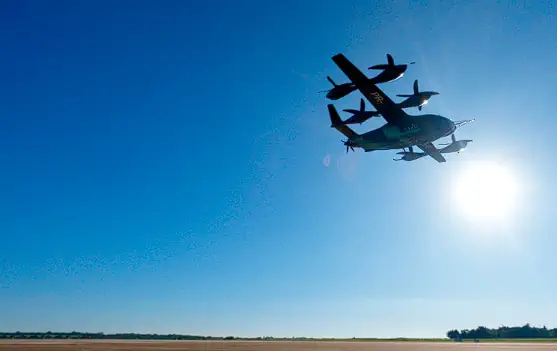
Indian Navy Investigates Second Crash of Domestically Produced Elbit Hermes 900 Starliner Drone
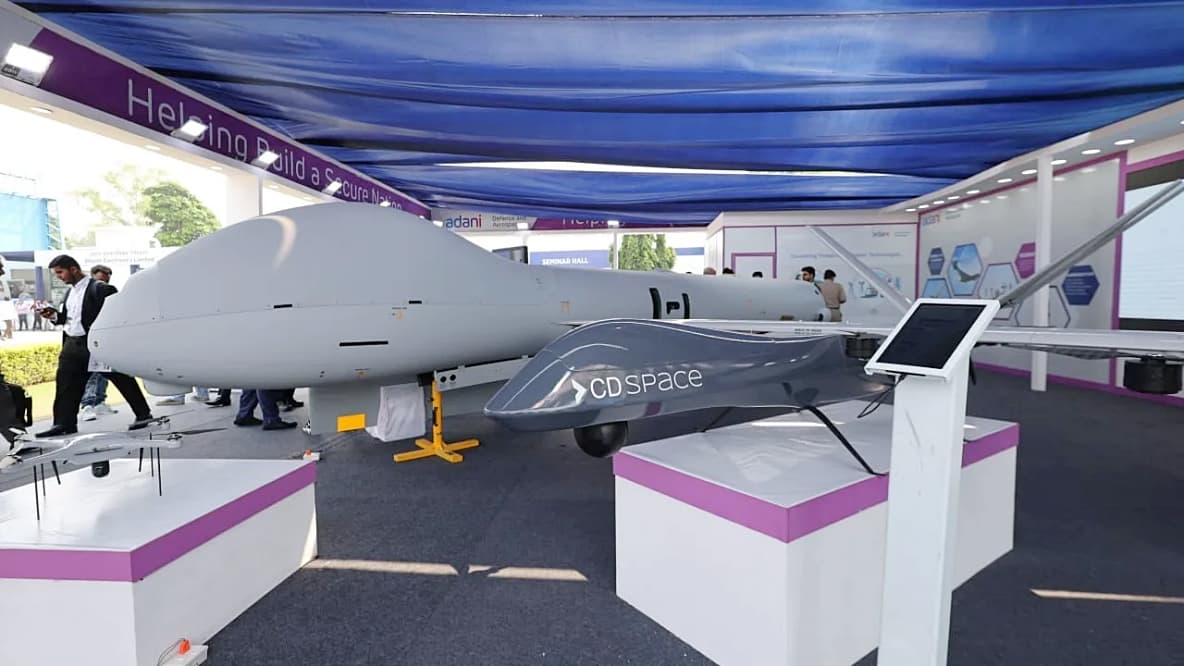
The Indian Navy has launched a formal investigation into the crash of a Drishti 10 drone during a training mission. The Drishti 10 is the Indian licensed-production variant of Israel's Elbit Hermes 900 Starliner, manufactured by Adani Defence & Aerospace. This marks the second crash of the same type in less than two years, raising concerns over quality control and reliability.
Highlights
- The Indian Navy has launched a formal investigation into the crash of a Drishti 10 drone that occurred during a training mission.
- This is the second crash of the Drishti 10 — Israel's Elbit Hermes 900 Starliner built under license by Adani Defence & Aerospace — in less than two years.
- The Drishti 10 is the Indian Navy's primary MALE surveillance drone and a key platform under India's Make in India defense indigenization policy.
- The consecutive crashes have raised concerns about licensed-production quality control, crew training, and airframe systems integration.
- Detailed investigation findings have not yet been released, and the incidents have reignited debate over India's defense self-sufficiency drive.
The Indian Navy has formally launched an investigation into the crash of a Drishti 10 unmanned aerial vehicle. The Drishti 10 is the Indian licensed-production variant of the Hermes 900 Starliner, developed by Israeli defense firm Elbit Systems and manufactured locally by the Adani Group's defense and aerospace arm.
Incident Background
Based on information currently available, the crash occurred during a routine training flight. What has drawn particular attention is that this is the second crash of the same aircraft type in less than two years, prompting serious scrutiny of the platform's reliability in Indian Navy service.
About the Drishti 10
The Drishti 10 serves as the Indian Navy's primary Medium Altitude Long Endurance (MALE) unmanned reconnaissance platform. Built under license from Elbit Systems' Hermes 900 Starliner design, it is produced domestically by Adani Defence & Aerospace and stands as a flagship outcome of India's "Make in India" defense indigenization policy.
The aircraft is designed for extended maritime surveillance, intelligence gathering, and reconnaissance operations, and plays a key role in strengthening India's maritime domain awareness across the Indian Ocean Region.
Consecutive Crashes Raise Red Flags
Two crashes within less than two years have fueled concerns over licensed-production quality control, flight crew training procedures, and systems integration. The Indian Navy has initiated formal investigation proceedings, though detailed findings have not yet been made public.
The incident has also reignited domestic debate over the execution quality of India's defense indigenization drive. Observers are closely watching for investigation outcomes and any subsequent corrective measures.
原文來源: 查看原文
FAQ
Reviewed and published by the LAETimes editorial desk ·