FAA's eVTOL Integration Pilot Program Completes First Takeoff and Landing Test, Marking Major Milestone
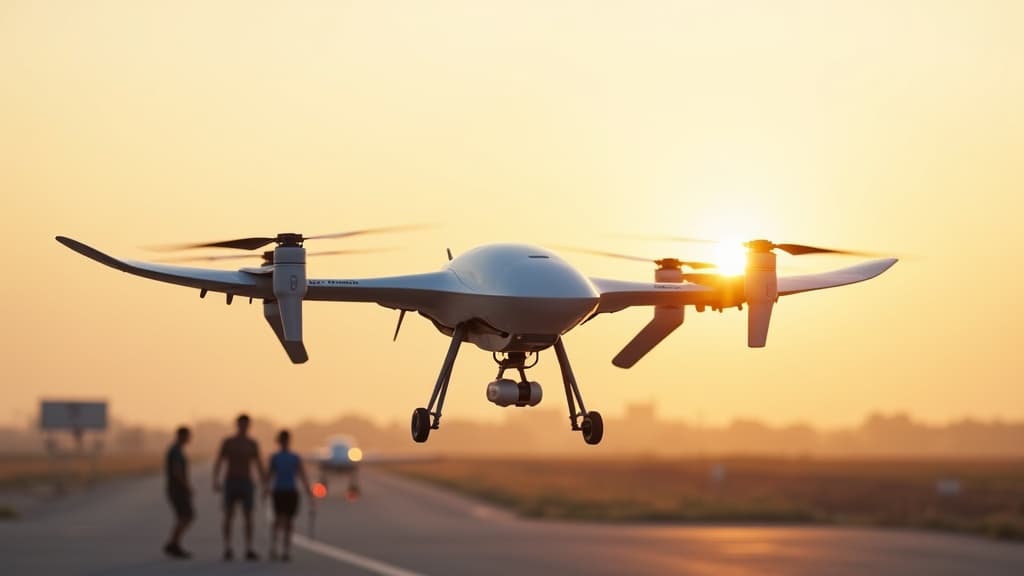
The FAA's eVTOL Integration Pilot Program (EIPP) has successfully completed its first takeoff and landing flight test, marking a critical step toward safely integrating next-generation electric vertical takeoff and landing aircraft into the U.S. National Airspace System. The milestone advances the FAA's broader Advanced Air Mobility regulatory framework and is expected to accelerate commercial timelines for companies such as Joby Aviation and Archer Aviation.
Highlights
- The FAA's eVTOL Integration Pilot Program (EIPP) successfully completed its first takeoff and landing flight test, marking a major milestone in U.S. Advanced Air Mobility development.
- The EIPP is designed to establish safety standards and operational procedures for eVTOL aircraft operating within the U.S. National Airspace System through real-world flight data collection.
- Commercial eVTOL companies including Joby Aviation and Archer Aviation are directly affected by FAA integration progress, as regulatory advancement influences their commercial launch timelines.
- The FAA confirmed EIPP will continue additional flight testing to ensure eVTOL aircraft can be safely integrated into existing air traffic management infrastructure.
- The successful test is seen as a key indicator that commercial urban air mobility and air taxi services in the United States are moving closer to operational reality.
FAA's eVTOL Integration Pilot Program Completes First Takeoff and Landing Test
The U.S. Federal Aviation Administration (FAA) has announced a significant milestone for its eVTOL Integration Pilot Program (EIPP): the successful completion of its first takeoff and landing flight test. The achievement marks a pivotal step toward the safe integration of next-generation electric vertical takeoff and landing (eVTOL) aircraft into the U.S. National Airspace System (NAS).
Program Significance
The EIPP is one of the FAA's flagship initiatives under its Advanced Air Mobility (AAM) agenda. The program is designed to establish the standards, procedures, and regulatory frameworks required for eVTOL aircraft to operate safely within real-world airspace environments — achieved through actual flight testing and comprehensive data collection. The successful completion of this first takeoff and landing test not only validates the technical feasibility of eVTOL operations but also lays the groundwork for larger-scale integration efforts to follow.
Advancing Next-Generation Aircraft Into the Airspace
eVTOL aircraft are widely regarded as the cornerstone of future Urban Air Mobility (UAM) services, offering key advantages including electric propulsion, low noise emissions, and vertical takeoff and landing capability. As industry players such as Joby Aviation and Archer Aviation aggressively push toward commercialization, the pace of FAA's regulatory framework development and integration program progress will directly influence the timeline for commercial deployment across the sector.
The FAA stated that the EIPP will continue advancing its testing agenda, collecting additional flight data to ensure eVTOL aircraft can be safely and efficiently incorporated into the existing air traffic management system — paving the way for future air taxi services.
"The future is here," the FAA announced through official channels, emphasizing that the EIPP's successful test represents an important step in advancing the safe integration of next-generation aviation.
With this test successfully completed, industry stakeholders are expressing heightened expectations regarding the timeline for the formal launch of commercial eVTOL services. A new chapter for the U.S. advanced air mobility industry has officially begun.
原文來源: 查看原文
FAQ
Reviewed and published by the LAETimes editorial desk ·