FIFA World Cup Drone Threat: U.S. Authorities Seize Over 600 Unauthorized Drones Across Host Cities
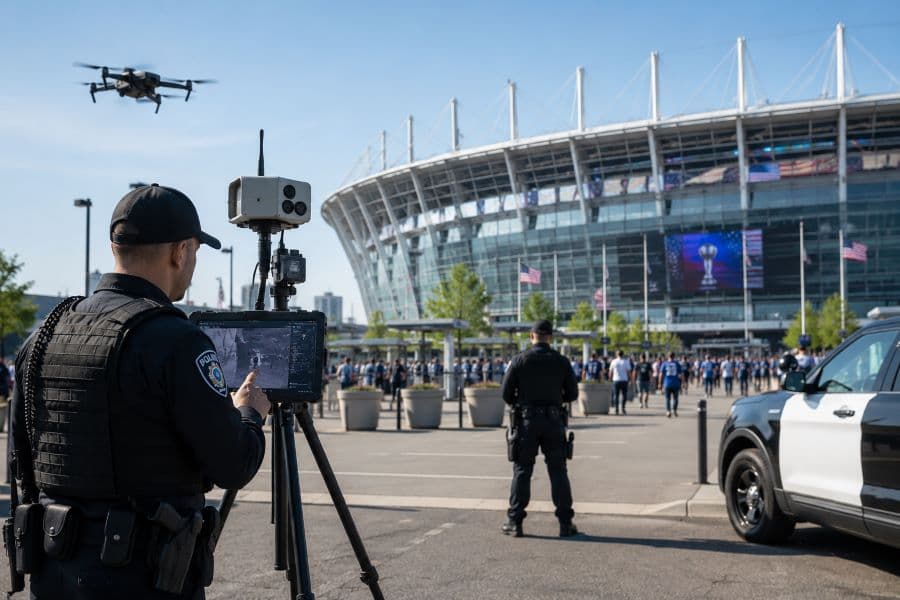
U.S. federal authorities have confirmed the seizure of more than 600 unauthorized drones that entered restricted airspace across 11 FIFA World Cup 2026 host cities. Miami leads with approximately 130 confiscations, followed by Dallas with over 70. While no major attack has occurred, the scale of incursions highlights the persistent challenge of airspace security at large-scale sporting events.
Highlights
- U.S. federal authorities have seized over 600 unauthorized drones across 11 FIFA World Cup 2026 host cities since the tournament began.
- Miami recorded the highest single-city seizure count at approximately 130 drones; Dallas followed with more than 70 seizures around match events.
- No major drone attack has occurred, but authorities face a continuous stream of unauthorized airspace incursions rather than isolated incidents.
- Counter-UAS deployments across all host cities are expected to remain at elevated levels for the duration of the tournament.
- Operational lessons from the 2026 World Cup are set to become a key reference for airspace security planning at future large-scale events.
World Cup Drone Threat Exceeds Expectations: Over 600 Seized Across the U.S.
U.S. federal authorities have confirmed that since the opening of the 2026 FIFA World Cup, more than 600 unauthorized drones have been seized from restricted airspace surrounding venues and fan zones across all 11 host cities — making it one of the most concrete data points yet illustrating the scale of the drone threat at major sporting events.
Seizures by City
According to figures released by the Federal Bureau of Investigation (FBI):
- Miami: Approximately 130 drones seized — the highest count of any single city
- Dallas: More than 70 drones seized in connection with match events
- Atlanta, Kansas City, and other host cities each recorded dozens of additional seizure incidents
A Real-World Stress Test
Before the tournament began, public debate focused largely on potential threats and U.S. preparedness. The World Cup has now provided a real-world answer. Although no major drone attack has taken place, authorities are contending with a continuous stream of unauthorized aerial intrusions rather than a single isolated incident — underscoring the importance of sustained surveillance capabilities and real-time counter-UAS response.
Airspace Management Challenges at Large Events
The World Cup cases make clear that the drone threat has evolved from a theoretical concern into an ongoing operational challenge. Even where most incursions appear to lack malicious intent, each unauthorized entry into restricted airspace places significant pressure on security personnel and consumes substantial law enforcement resources.
As the tournament continues, Counter-UAS deployments across U.S. host cities are expected to remain at elevated levels. The operational lessons learned during this World Cup are also expected to serve as a critical reference for airspace security planning at future large-scale events.
原文來源: 查看原文
FAQ
Newsletter
Subscribe to our Low-Altitude Industry Newsletter
Daily curated news on low-altitude economy and drone industry, delivered to your inbox.
Reviewed and published by the LAETimes editorial desk ·