GA-ASI Proposes MQ-9B SeaGuardian to Address U.S. Air Force Reaper Drone Shortage
General Atomics Aeronautical Systems (GA-ASI) plans to formally propose its larger MQ-9B SeaGuardian drone as a solution to the U.S. Air Force's critical MQ-9A Reaper shortage, positioning the advanced variant as both a near-term gap-filler and a lower-cost long-term replacement for equivalent missions.
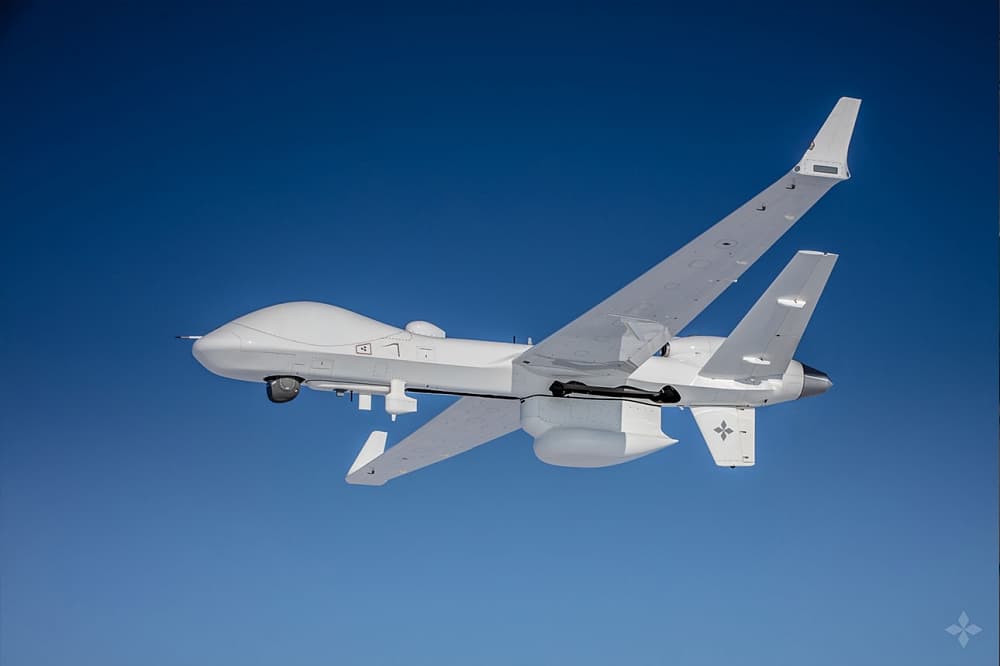
Highlights
- GA-ASI plans to formally propose the MQ-9B SeaGuardian as a direct replacement for the MQ-9A Reaper to address the U.S. Air Force's critical drone shortage.
- The MQ-9B SeaGuardian holds STANAG 4671 airworthiness certification, enabling operations in non-segregated airspace—a capability the MQ-9A Reaper lacks.
- GA-ASI's strategy targets both near-term fleet gap-filling and long-term cost reduction with a single airframe, aligning with Air Force budget priorities.
- The U.S. Air Force has identified a serious MQ-9A Reaper readiness gap driven by fleet aging and expanding global ISR mission requirements.
- Full details of GA-ASI's SeaGuardian proposal remain undisclosed, with the defense and industry community awaiting further announcements.
GA-ASI Proposes MQ-9B SeaGuardian to Address U.S. Air Force Reaper Drone Shortage
With U.S. Air Force leadership calling for urgent near-term relief from a serious MQ-9A Reaper drone shortage—and a long-term goal of fielding a more cost-effective platform for the same mission set—manufacturer General Atomics Aeronautical Systems (GA-ASI) is preparing to address both requirements with a single solution: a formal proposal to procure the larger MQ-9B SeaGuardian.
Advantages of the MQ-9B SeaGuardian
The MQ-9B SeaGuardian is an advanced derivative of the MQ-9A Reaper, offering greater range and endurance, enhanced sensor integration, and STANAG 4671-compliant airworthiness certification that enables operations in non-segregated airspace. Compared with the MQ-9A, the SeaGuardian delivers a significant leap in multi-mission capability, making it particularly well suited to maritime patrol, intelligence, surveillance, and reconnaissance (ISR) operations.
The Air Force's Readiness Gap
The U.S. Air Force has long depended on the MQ-9A Reaper for ISR missions worldwide. However, as the fleet ages and operational demand continues to grow, the shortfall in available Reapers has emerged as a serious readiness concern. Service leadership has made clear that the near-term priority is plugging the current fleet gap, while the longer-term objective is to introduce a replacement platform with a lower unit cost to improve overall mission efficiency.
GA-ASI's Strategic Play
The core of GA-ASI's proposal is to satisfy both near- and long-term requirements with a single airframe. The SeaGuardian can serve as a direct Reaper replacement while its lower acquisition and sustainment costs align with the Air Force's long-range budget planning. The move signals GA-ASI's intent to consolidate its dominant position in the U.S. military drone market and get ahead of competing proposals before rival manufacturers can enter the picture.
Full details of GA-ASI's formal proposal have not yet been made public. Further developments are being closely watched by both the defense industry and the broader defense community.
原文來源: 查看原文
FAQ
Reviewed and published by the LAETimes editorial desk ·