Hoverfly Launches NDAA-Compliant Drone Components Line, Betting on Blue UAS Market Demand
Hoverfly Technologies unveiled Hoverfly Elements at Xponential 2026, a new business unit selling NDAA-compliant drone components to defense and commercial drone manufacturers. Initial products include motors and ESCs developed with Korea Robot Manufacturing and a GPS module co-developed with Hexagon subsidiary Septentrio, all aligned with the U.S. Department of Defense Blue UAS certification framework.
Highlights
- Hoverfly Technologies launched Hoverfly Elements at Xponential 2026, a dedicated unit selling NDAA-compliant drone components to defense and commercial manufacturers.
- Initial products include motors and ESCs co-developed with Korea Robot Manufacturing (KRM) and a multi-band GNSS module built on Septentrio chipsets with anti-jamming and anti-spoofing capabilities.
- All Elements components are being routed through the U.S. DoD Blue UAS certification framework, targeting compliance deadlines of August 2026 and August 2027 under the Pentagon's Drone Dominance Program.
- Hoverfly has sold over 500 tethered drone systems to the U.S. Army, giving it an established Blue UAS relationship that most new component suppliers lack.
- The U.S. drone components market was valued at approximately $5.9 billion in 2025 and is forecast to exceed $14.4 billion by 2033.
Hoverfly Launches NDAA-Compliant Drone Components Line, Betting on Blue UAS Market Demand
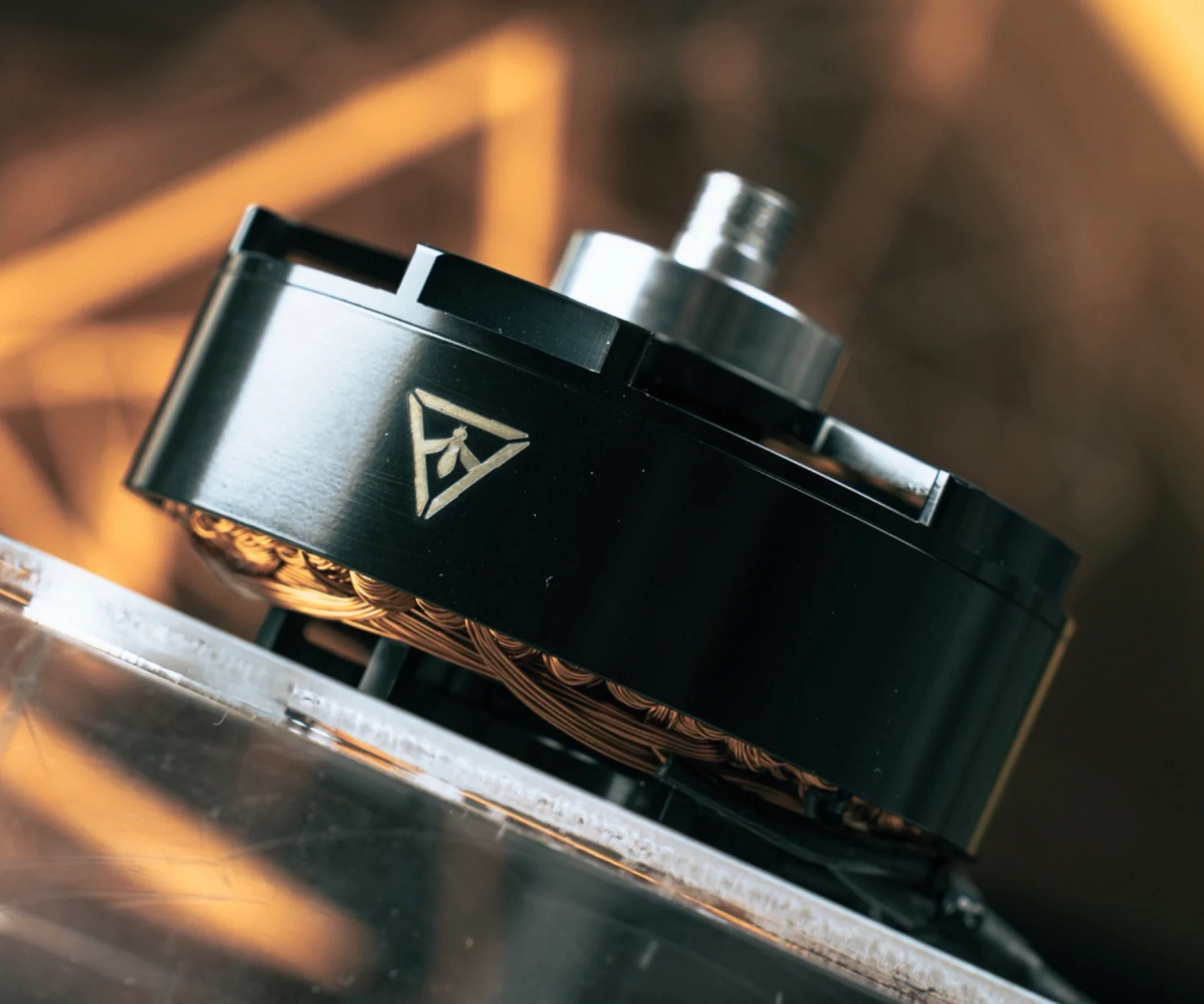
Hoverfly Technologies has announced the formation of Hoverfly Elements, a new business unit dedicated to selling National Defense Authorization Act (NDAA)-compliant drone components to defense and commercial drone manufacturers. The Sanford, Florida-based company formally unveiled the product line at Xponential 2026. The initial product portfolio includes drone motors and electronic speed controllers (ESCs) manufactured in partnership with Korea Robot Manufacturing (KRM), as well as a GPS module co-developed with Septentrio, a subsidiary of Hexagon.
Hoverfly is best known as a tethered drone manufacturer, having sold more than 500 tethered systems to the U.S. Army to date. The launch of Elements marks a strategic pivot — shifting from selling complete systems to supplying the underlying components that other manufacturers need to meet equivalent regulatory compliance standards.
Motor Line Targets Specific Pentagon Deadlines
The Elements motor series, backed by KRM's engineering, was designed from launch to address Phase 2 of the Pentagon's Drone Dominance Program Supply Chain Framework, with a localization roadmap already planned for subsequent phases.
According to the company, the framework requires supply chains to progressively shift component sourcing away from countries the Pentagon designates as "non-covered," with compliance timelines ranging from finished-assembly-level requirements in August 2026 to full domestic traceability requirements by August 2027. Suppliers unable to demonstrate compliance risk complete exclusion from that procurement channel.
The GPS module, based on Septentrio chipsets, features multi-band, multi-constellation GNSS capabilities with anti-jamming and anti-spoofing characteristics. It is currently being engineered to meet the same framework's February 2027 compliance deadline.
Hoverfly Channels Elements Into Blue UAS Certification Pipeline
Hoverfly states that all components under the Elements brand are being routed through the U.S. Department of Defense's Blue UAS verification framework, a program that certifies drones and components as trusted, non-Chinese-origin products. DroneXL has previously reported on how Blue UAS-certified hardware has secured exemptions from broader restrictions on foreign-made drones, and how component suppliers have been rushing throughout the year to fill gaps in that supply chain. UAS Nexus similarly addressed the same procurement bottleneck with a comparable partnership model last November.
Citing third-party market data, the company notes that the U.S. drone components market was valued at approximately $5.9 billion in 2025 and is projected to exceed $14.4 billion by 2033. Hoverfly also states it is developing tethered kits for persistent intelligence, surveillance, and reconnaissance (ISR) and perimeter security missions, and offering custom component design services for OEM manufacturers building their own airframes.
DroneXL's Take
This is a textbook example of the component supply chain scramble now underway. NDAA restrictions and the Drone Dominance Program framework don't just ban Chinese drones — they create real supply gaps in motors, ESCs, and GPS modules that were previously available cheaply out of Shenzhen, and no one has truly filled that gap at scale yet. Hoverfly is betting its decade of Blue UAS relationships on a components play, which is a smart use of an asset most component startups simply don't have. The real test, however, won't be booth traffic at a trade show — it will be whether KRM's Korean supply chain can genuinely achieve full domestic traceability by August 2027.
Source: PR Newswire
原文來源: 查看原文
FAQ
Newsletter
Subscribe to our Low-Altitude Industry Newsletter
Daily curated news on low-altitude economy and drone industry, delivered to your inbox.
Reviewed and published by the LAETimes editorial desk ·