Israeli Firms Rafael and SpearUAV Jointly Launch 'Iron Wasp' Tube-Launched Interceptor Drone for Ground Platform Air Defense
Israeli defense contractor Rafael Advanced Defense Systems and drone specialist SpearUAV have jointly unveiled 'Iron Wasp,' a tube-launched counter-UAS interceptor system deployable by infantry and armored units. The system combines radar guidance with an onboard electro-optical seeker and machine vision to autonomously detect, track, and destroy aerial threats, providing a layered air defense capability for mobile ground platforms and fixed installations.
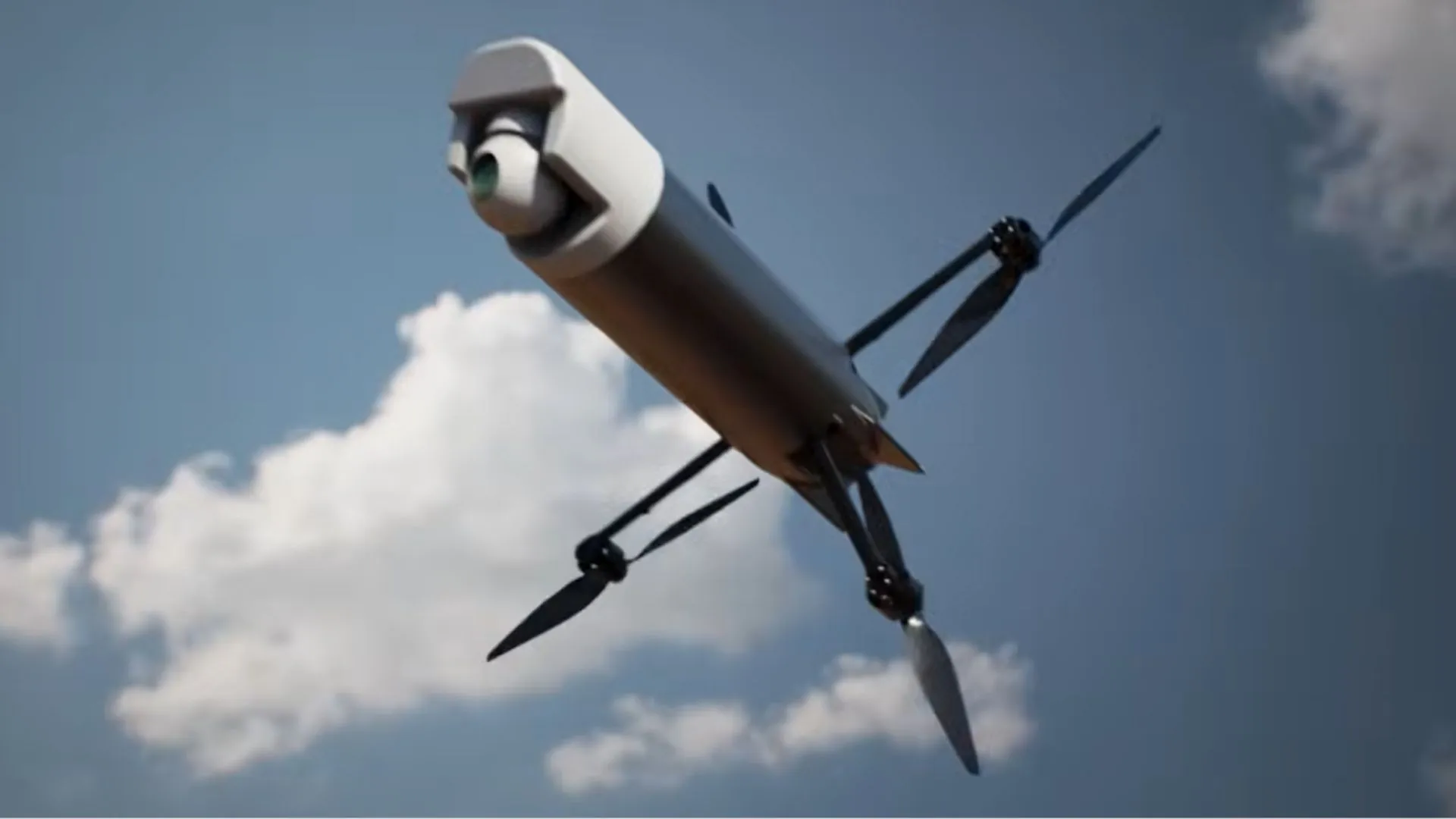
Highlights
- Rafael Advanced Defense Systems and SpearUAV jointly unveiled Iron Wasp, a tube-launched counter-UAS interceptor drone, requiring no runway or catapult for deployment.
- Iron Wasp is derived from SpearUAV's Viper I interceptor and uses radar mid-course guidance plus an onboard electro-optical seeker with machine vision for autonomous terminal engagement.
- The system's low-SWaP design enables integration onto IFVs, MBTs, armored personnel carriers, and UGVs via an open system architecture.
- Iron Wasp provides effective hard-kill capability against fiber-optic wire-guided drones, which are resistant to conventional RF-based electronic warfare countermeasures.
- Key specifications including engagement range, warhead weight, and endurance remain undisclosed by both companies at the time of announcement.
Israeli defense contractor Rafael Advanced Defense Systems and drone specialist SpearUAV have jointly announced the launch of Iron Wasp — a tube-launched counter-UAS (C-UAS) interceptor system designed to provide a layered air defense capability for mobile ground platforms and fixed installations.
The system combines SpearUAV's canister-based launch architecture with Rafael's warhead and guidance integration technology, producing a weapon that can be flexibly deployed by infantry and armored units.
SpearUAV CEO Yiftach Kleinman stated: "Rafael is a leader in innovation in Israeli and global defense, with Trophy and Iron Dome as prime examples. After a rigorous selection process, SpearUAV is proud to join a family of systems that has saved, and will continue to save, countless lives worldwide. This collaboration reflects our commitment to delivering the most advanced containerized solutions to address the evolving threats faced by maneuver forces."
System Architecture and Launch Mechanism
Iron Wasp is derived from SpearUAV's Viper I (interceptor variant), which is capable of engaging drones, top-attack munitions, and loitering munitions.
Its low-SWaP (Size, Weight, and Power) design enables mechanical, electronic, and software integration onto armored platforms including Infantry Fighting Vehicles (IFVs), Main Battle Tanks (MBTs), armored personnel carriers, and Unmanned Ground Vehicles (UGVs). An open system architecture also facilitates integration with third-party sensors and warheads.
Iron Wasp launches from a tube-based canister magazine, requiring no dedicated runway or catapult, significantly reducing forward logistics requirements. The interceptor is initially guided by radar toward the incoming threat and can receive mid-course corrections via a data link. In the terminal guidance phase, the interceptor transitions to autonomous flight, using an onboard electro-optical seeker and machine vision technology to independently search, track, and neutralize the target.
Additional technical specifications for Iron Wasp — including endurance, warhead weight, and effective engagement range — had not been publicly disclosed by either company at the time of publication.
Operational Role and Target Threats
The rapid proliferation of unmanned aerial threats has fundamentally reshaped the risk environment for ground maneuver forces. Commercially derived drones, loitering munitions, and top-attack systems continue to pose serious challenges at low cost.
Rafael's multi-layered approach to countering these threats has been validated in some of the world's most demanding combat environments. Iron Wasp extends this layered defense framework by providing ground platforms with an organic aerial intercept capability, further enhancing platform survivability.
Future Development Trends
Interceptor drones such as Iron Wasp represent an important component of the counter-UAS toolkit, complementing guns, rockets, and directed-energy weapons to form a complete engagement system. The hard-kill capability offered by interceptor drones is particularly effective against fiber-optic (wire-guided) drones, which are highly resistant to radio-frequency-based electronic warfare techniques.
Future development of interceptor drones is likely to focus on increasing magazine capacity and system miniaturization, in order to address emerging threats posed by growing drone swarm sizes and increasingly complex behavioral patterns.
原文來源: 查看原文
FAQ
Reviewed and published by the LAETimes editorial desk ·


