L3Harris Breaks Ground on New Arkansas Facilities to Expand PAC-3 Missile Propulsion Production
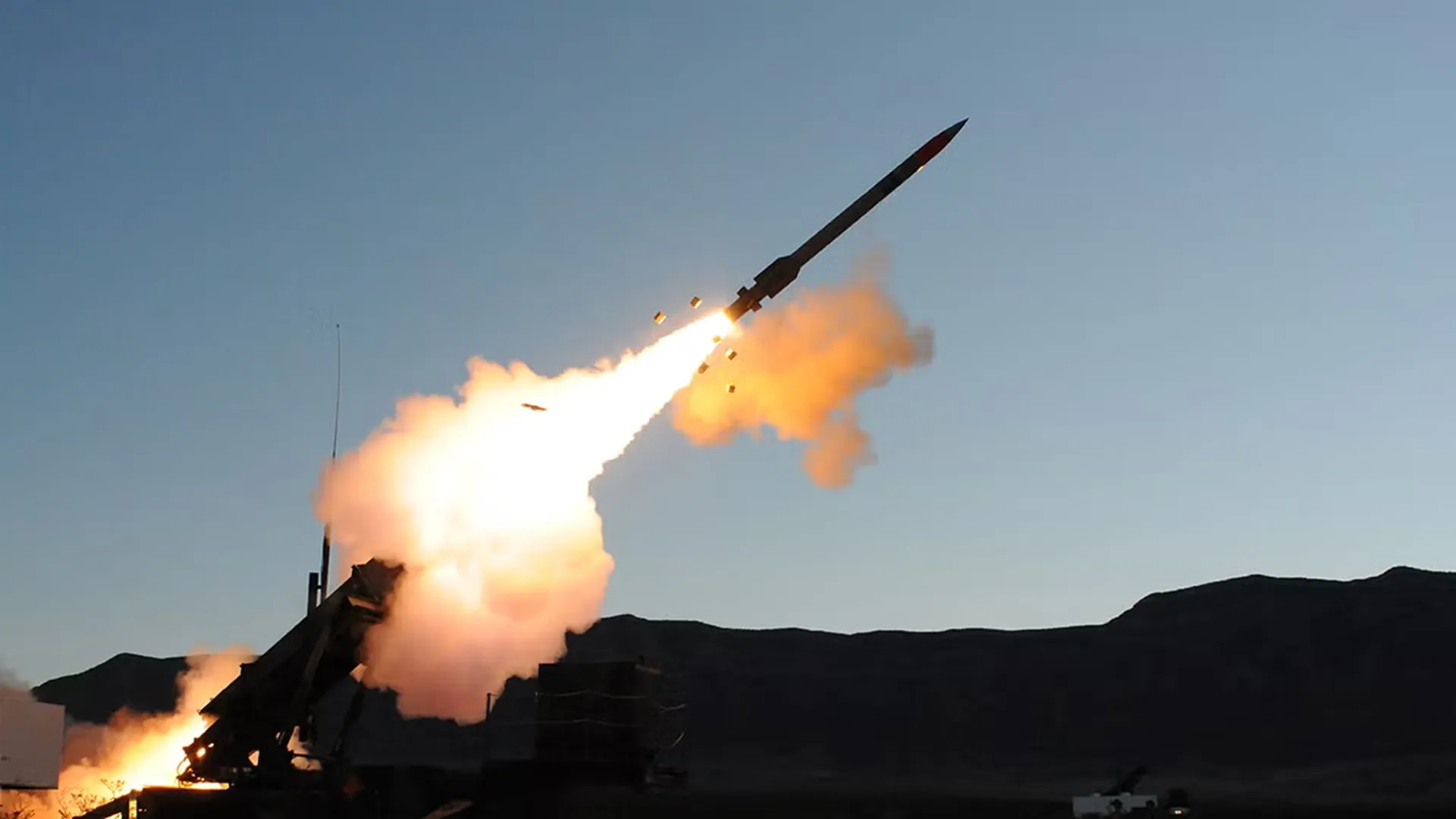
L3Harris Technologies has announced the groundbreaking of two new manufacturing buildings at its Arkansas Advanced Propulsion Facilities (AAPF) campus in Camden, Arkansas. The two structures total approximately 145,000 square feet and will introduce automated X-ray inspection and fully automated casting systems to accelerate production of PAC-3 MSE interceptor propulsion components for the U.S. Army, while strengthening domestic solid rocket motor manufacturing capacity.
Highlights
- L3Harris Technologies broke ground in 2025 on two new buildings totaling approximately 145,000 square feet at its AAPF campus in Camden, Arkansas, to expand PAC-3 MSE missile propulsion production.
- The new facilities will introduce automated X-ray inspection with intelligent defect detection and fully automated casting equipment to improve production speed and quality.
- L3Harris manufactures key PAC-3 MSE components including the dual-pulse solid rocket motor, Attitude Control Motors, and Lethality Enhancer.
- Across Arkansas, Alabama, and Virginia, L3Harris is constructing approximately 60 new buildings, adding nearly 1 million square feet of manufacturing capacity.
- The Arkansas campus expansion is part of a long-term U.S. government and industry push to replenish missile stockpiles and scale domestic solid rocket motor manufacturing.
L3Harris Expands Missile Propulsion Manufacturing Facilities in Arkansas
L3Harris Technologies has officially broken ground on two new manufacturing buildings at its Arkansas Advanced Propulsion Facilities (AAPF) campus in Camden, Arkansas, to meet growing demand for U.S. Army PAC-3 missile propulsion systems.
The expansion is designed to accelerate production of propulsion components for the PAC-3 Missile Segment Enhancement (MSE) interceptor. The two new structures are:
- A 75,000-square-foot casting, curing, and final assembly facility
- A 70,000-square-foot motor case preparation facility
L3Harris stated that the expansion is part of a broader strategy to strengthen domestic solid rocket motor (SRM) manufacturing capacity.
Boosting Missile Production Speed and Volume
The new facilities will incorporate several advanced manufacturing technologies, including automated X-ray inspection systems with intelligent defect detection, fully automated casting equipment, and expanded curing capacity to improve overall production efficiency.
L3Harris Chairman and CEO Christopher Kubasik said: "We are self-funding the construction of these new Arkansas facilities to move at the speed of mission need. This expansion will increase our ability to deliver PAC-3 propulsion systems faster and in greater quantities, while strengthening military readiness and providing the mature capabilities that warfighters depend on."
L3Harris manufactures several critical propulsion components for the PAC-3 MSE interceptor, including the dual-pulse solid rocket motor, Attitude Control Motors (ACMs), and the Lethality Enhancer.
The PAC-3 MSE interceptor is designed to defeat tactical ballistic missiles, cruise missiles, and advanced air threats. As demand for air defense and missile defense systems continues to grow globally, manufacturing capacity has become an increasingly critical factor.
L3Harris and Arkansas state officials held a formal groundbreaking ceremony in 2025 for the broader AAPF campus, as part of a long-term plan to modernize U.S. solid rocket motor production.
Modernizing Defense Manufacturing Infrastructure
Upon completion, the Arkansas campus will focus on producing medium- and large-class solid rocket motors for tactical missiles, air defense interceptors, missile defense target vehicles, hypersonic vehicles, and other emerging defense programs.
This expansion is also part of a larger manufacturing investment initiative. Across facilities in Arkansas, Alabama, and Virginia, L3Harris is constructing approximately 60 buildings, adding nearly 1 million square feet of manufacturing space.
As the U.S. military works to replenish stockpiles and meet rising demand for advanced missile systems, increasing production capacity has become a top priority for the defense industrial base. The introduction of automated inspection and manufacturing technology is expected to help eliminate production bottlenecks and increase output of critical propulsion systems.
The construction of the new Arkansas facilities is expected to further cement L3Harris's central role as a propulsion technology supplier for both current and next-generation missile defense programs.
原文來源: 查看原文
FAQ
Newsletter
Subscribe to our Low-Altitude Industry Newsletter
Daily curated news on low-altitude economy and drone industry, delivered to your inbox.
Reviewed and published by the LAETimes editorial desk ·