LANTERN Tethered UAS Validated for Maritime Operations, Sustains Deployment from Uncrewed Surface Vessels
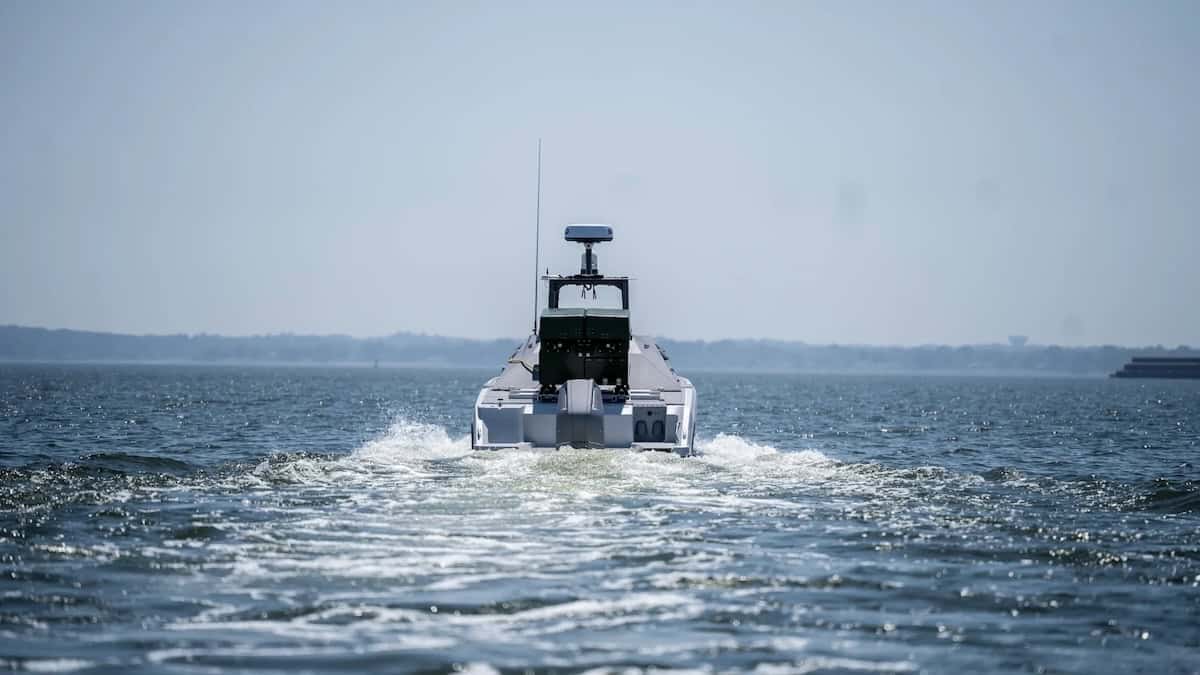
DPI UAV Systems has successfully validated its LANTERN tethered unmanned aerial system (UAS) for deployment from uncrewed surface vessels (USVs). During testing, the system maintained stable flight at up to 200 feet while the host vessel traveled at speeds of up to 20 knots, completing 90-degree and 180-degree turning maneuvers with the drone continuously deployed, confirming its persistent ISR and communications relay capabilities.
Highlights
- DPI UAV Systems validated the LANTERN tethered UAS for USV deployment, sustaining flight at up to 200 feet while the host vessel traveled at 20 knots.
- The system successfully completed 90-degree and 180-degree vessel turning maneuvers with the drone continuously deployed throughout.
- Launch and recovery operations were verified at host vessel speeds of up to 10 knots during the initial test phase.
- LANTERN extends sensor and communications coverage up to 200 feet above the waterline, increasing threat detection range and communications relay capability beyond surface vessel limits.
- DPI UAV Systems plans to continue integrating LANTERN into military and security platforms for persistent ISR and communications relay missions.
LANTERN Tethered UAS Completes Maritime Operational Validation
DPI UAV Systems has completed real-world validation of its LANTERN tethered unmanned aerial system (UAS) deployed from an uncrewed surface vessel (USV), confirming the system's ability to provide persistent elevated situational awareness in maritime operating environments.
Test Scope and Validation Objectives
The test program covered launch and recovery procedures, in-transit flight performance, and system stability assessment in a dynamic maritime environment. During initial trials, LANTERN completed multiple launch and recovery cycles while the host vessel was underway at speeds of up to 10 knots.
Following the initial launch and recovery phase, the tethered drone was sustained at altitudes of up to 200 feet above ground level while the USV accelerated to 20 knots. According to DPI UAV Systems, the trials validated in-transit flight stability, tether cable management, and real-time tracking of the host vessel.
Dynamic Maneuvering Tests
Subsequent trials evaluated system performance during dynamic vessel maneuvers, including 90-degree and 180-degree turns executed while the drone remained continuously deployed. These tests assessed drone tracking performance and tether cable behavior throughout sustained changes in the host vessel's heading.
Operational Capabilities and Advantages
DPI UAV Systems noted that the demonstration validated LANTERN's ability to operate flexibly from both crewed and uncrewed maritime platforms, extending sensor and communications capabilities beyond the limitations of surface-only systems.
By elevating payloads up to 200 feet above the waterline, operators gain the following advantages:
- Enhanced Line-of-Sight Awareness: Expanded horizontal detection range
- Extended Communications Range: Overcoming signal limitations inherent to surface vessels
- Increased Threat Detection Time: Earlier identification and assessment of potential threats or areas of interest
Future Development
DPI UAV Systems stated that it will continue to advance integration of the LANTERN system into military and security platforms, supporting persistent intelligence, surveillance and reconnaissance (ISR), communications relay, and elevated situational awareness missions in complex operational environments.
原文來源: 查看原文
FAQ
Reviewed and published by the LAETimes editorial desk ·