Russian Mi-28NM Attack Helicopters Spotted with Unknown Sensors, Suspected Anti-FPV Drone EW System
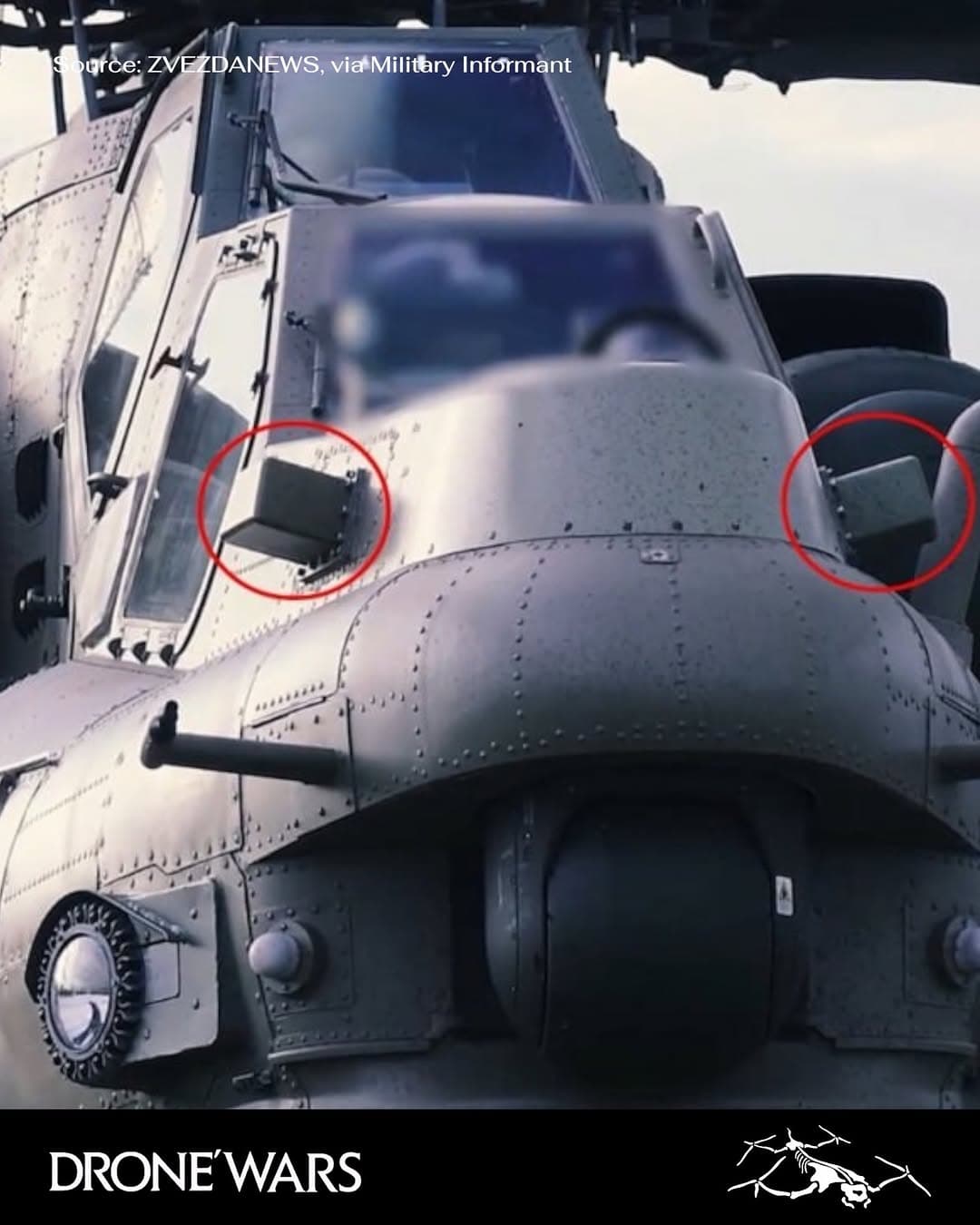
Russian Mi-28NM attack helicopters have been observed carrying previously unseen sensors at multiple locations including wingtips, nose, and tail. Military media outlet Military Informant speculates the devices may form part of an electronic warfare system designed to counter FPV drones, though their exact purpose remains officially unconfirmed. The sensors may represent an upgraded L-370 Vitebsk airborne defense suite or an entirely new system.
Highlights
- Russian Mi-28NM attack helicopters have been observed with previously unseen sensors installed at the wingtips, nose, and tail, sparking speculation among defense analysts.
- Military media outlet Military Informant suggests the devices may be part of an EW system designed to counter FPV drones, though no official confirmation has been issued.
- The new sensors do not match the known 'Multik' helicopter protection system, pointing to either an upgraded L-370 Vitebsk DIRCM suite or an entirely new Russian EW platform.
- FPV drone attacks on Russian helicopters have escalated during the Russia-Ukraine conflict, accelerating Moscow's development of dedicated airborne counter-drone solutions.
- Full specifications and operational effectiveness of the sensors remain unverified and subject to ongoing monitoring by military observers.
Russian military Mi-28NM attack helicopters have recently been observed carrying multiple sets of previously undisclosed sensors, installed at locations including the wingtips, nose, and tail. The discovery has drawn widespread attention from defense analysts and military observers.
Purpose Unclear, but Counter-Drone Role Suspected
According to analysis by military media outlet Military Informant, the new sensors may form part of an electronic warfare (EW) system specifically designed to counter FPV (First-Person View) drones. However, Russian authorities have yet to issue any official statement confirming the devices' function or purpose.
'Multik' System Ruled Out — Two Theories Emerge
Based on their appearance and apparent specifications, the new devices do not match the previously disclosed "Multik" helicopter protection system. Two main theories have emerged among analysts:
- Upgraded variant: The sensors may represent an enhanced or upgraded version of the existing L-370 "Vitebsk" airborne active defense suite (DIRCM).
- Entirely new system: Alternatively, the equipment could represent a new Russian-developed electronic warfare platform specifically engineered to address the large-scale FPV drone threat that has emerged on the Ukrainian battlefield.
Background: FPV Drones as an Emerging Battlefield Threat
Since the escalation of the Russia-Ukraine conflict, low-cost, highly maneuverable FPV drones have posed a serious threat to both sides' ground armor and airborne platforms. Russian helicopters have repeatedly come under attack from FPV drones, prompting Moscow to accelerate the development of targeted countermeasures. If confirmed as an anti-FPV EW system, the unidentified sensors observed on the Mi-28NM would mark a significant advancement in Russia's airborne counter-drone capabilities.
The full specifications and operational effectiveness of these sensors have yet to be verified, and observers will continue to monitor further developments.
原文來源: 查看原文
FAQ
Reviewed and published by the LAETimes editorial desk ·


