NASA Completes First BVLOS Drone Transport of Human Kidney
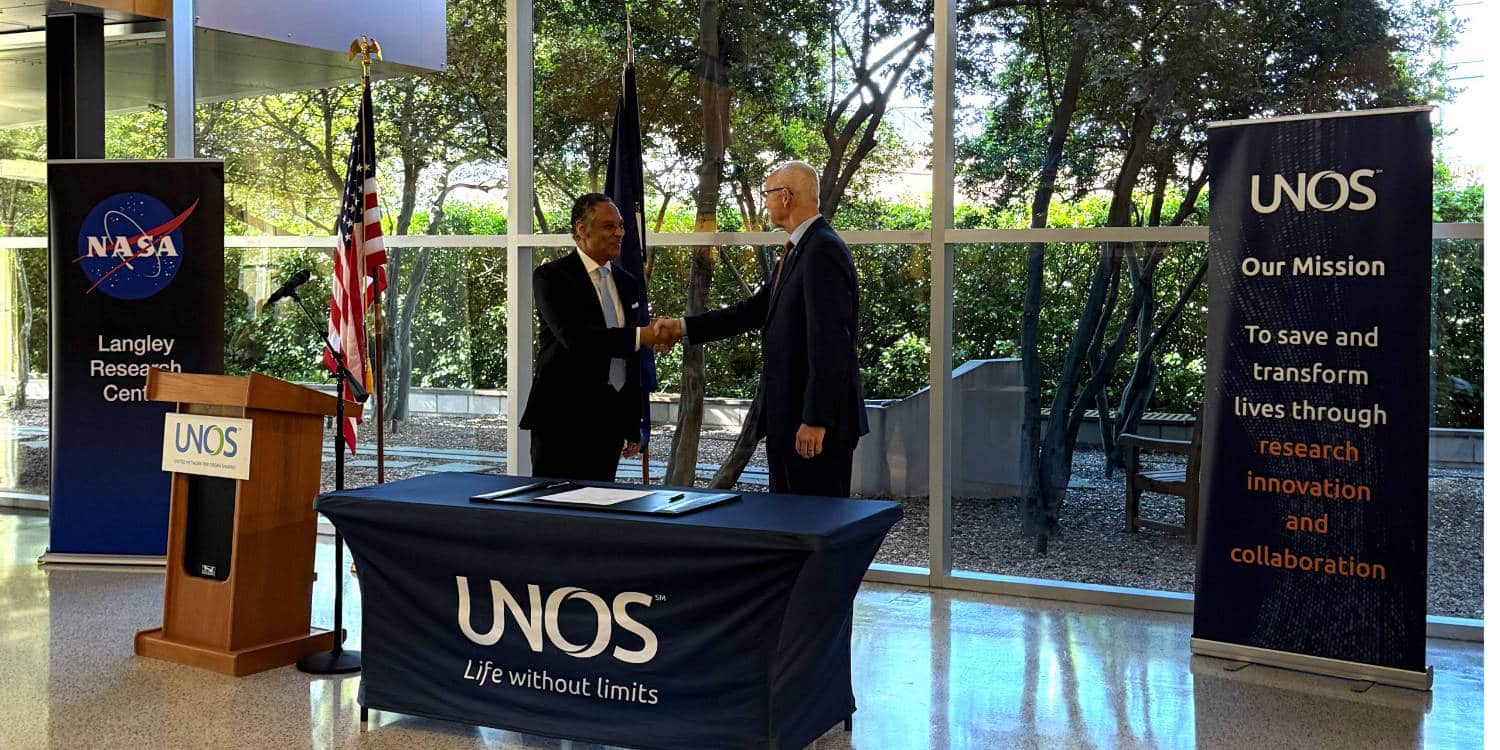
NASA, UNOS, and LifeNet Health successfully conducted the world's first beyond visual line of sight (BVLOS) drone transport of a human kidney on June 5 in Virginia. Each flight lasted approximately 15 minutes, with preliminary results showing no adverse effects on organ integrity — a critical step toward scalable drone-based organ logistics.
Highlights
- NASA, UNOS, and LifeNet Health conducted the world's first BVLOS drone transport of a human kidney on June 5, 2024, in Virginia.
- Each BVLOS flight lasted approximately 15 minutes, with continuous monitoring of temperature, air pressure, and altitude throughout.
- Preliminary biopsy results confirmed no adverse effects on organ integrity from drone transport, validating the biomedical safety case.
- More than 100,000 people in the U.S. are waiting for organ transplants, with 13 dying daily — underlining the urgency of faster transport solutions.
- The FAA has missed its own deadline for publishing the Part 108 BVLOS rule, which is required before routine drone organ transport operations can scale commercially.
NASA, the United Network for Organ Sharing (UNOS), and nonprofit organ and tissue bank LifeNet Health have jointly completed what all parties are calling an unprecedented milestone: the transportation of a human kidney by drone under beyond visual line of sight (BVLOS) conditions.
The flight test, conducted on June 5 in Virginia, represents a landmark achievement in organ logistics and provides compelling evidence of the societal value that commercial BVLOS drone operations can deliver.
How the Experiment Was Conducted
The kidney used in the study was donated for research purposes by a donor's family through LifeNet Health, having been assessed as unsuitable for transplantation. Before and after each flight, researchers performed biopsy analyses on the organ and placed it on a perfusion pump to evaluate whether drone transport caused any adverse effects on organ integrity.
Each BVLOS flight lasted approximately 15 minutes, with temperature, air pressure, and altitude continuously monitored throughout. Preliminary results indicated no negative impact on the organ — precisely the outcome researchers were hoping to confirm.
Why Drone Organ Transport Matters
Organ transplantation is a race against time. Once an organ is retrieved, its viable window is limited, and any delay caused by traffic congestion, adverse weather, or logistical error can compromise organ function, patient outcomes, and in some cases make transplantation impossible altogether. Current organ transport relies heavily on couriers, chartered flights, and ground vehicles — each link in the chain a potential point of failure.
The scale of the problem underscores the urgency of the mission: more than 100,000 people in the United States are currently waiting for a life-saving organ transplant. A new name is added to the waiting list every eight minutes, and 13 people die every day while waiting. In Virginia alone, more than 3,000 people are on the waiting list.
"With more than 100,000 people in the U.S. currently waiting for a life-saving organ transplant, innovation in organ transport is more critical than ever," said UNOS Acting CEO Mark Johnson. "This successful collaboration is an important step toward making organ transport safer, faster, and more efficient."
BVLOS Regulations, Part 108, and the Road Ahead
The experiment comes at a pivotal moment for drone regulation in the United States. The Federal Aviation Administration (FAA) has already missed its own deadline for publishing the final Part 108 rule — the regulatory framework intended to establish a legal pathway for routine BVLOS drone operations. Until those rules are in place, missions like this one require specific waivers and airspace coordination, significantly limiting the pace at which such applications can scale.
Once Part 108 is finalized, drone-based organ transport could realistically enter operational deployment at scale. The technical feasibility has been demonstrated; the biomedical case has been validated. What remains is building the regulatory infrastructure to allow such missions to become routine.
UNOS, NASA, and LifeNet Health have indicated that all three organizations plan to continue exploring drone transport applications in real-world environments, including transporting research organs between hospitals and airports. This incremental, evidence-based approach is precisely what regulators need to see before drone organ delivery can become standard practice.
Sources: LifeNet Health (via PR Newswire), UNOS
原文來源: 查看原文
FAQ
Reviewed and published by the LAETimes editorial desk ·


