U.S. Navy Tests Advanced Underwater Drones in Baltic Sea to Bolster NATO Subsea Security
The U.S. Navy recently demonstrated advanced Unmanned Underwater Vehicles (UUVs) during Baltic Sea exercises, underscoring NATO's growing focus on subsea security. The drills aimed to enhance monitoring of maritime activity and protect critical underwater infrastructure in one of Europe's most strategically sensitive regions.
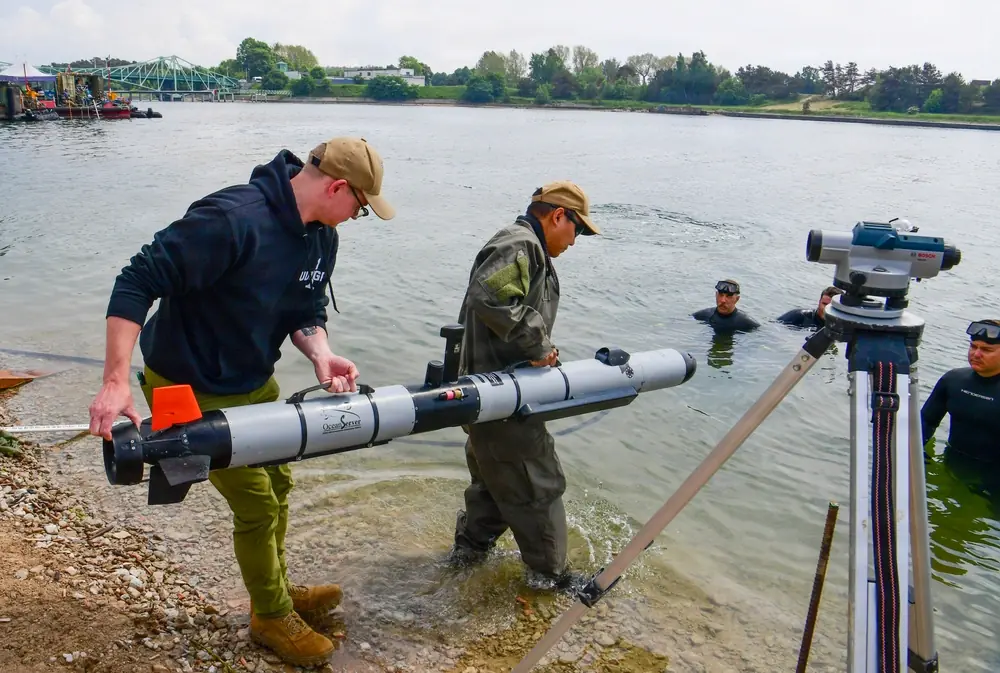
Highlights
- The U.S. Navy conducted Baltic Sea exercises featuring advanced Unmanned Underwater Vehicles (UUVs) to strengthen NATO subsea surveillance capabilities.
- UUVs deployed in the exercises can perform extended patrols, seabed mapping, mine detection, and inspection of underwater pipelines and cables.
- NATO allies have elevated subsea infrastructure protection to a top security priority following a series of suspected pipeline and cable sabotage incidents in the Baltic region.
- The drills demonstrated U.S. leadership in unmanned underwater technology and reinforced NATO's resolve to defend European maritime security.
U.S. Navy Tests Advanced Underwater Drones in Baltic Sea
The U.S. Navy recently conducted exercises in the Baltic Sea showcasing advanced Unmanned Underwater Vehicles (UUVs), highlighting the rising concern among NATO allies over subsea security.
Strengthening the Underwater Defense Line
The Baltic Sea is one of Europe's most strategically sensitive regions, and allied nations are actively seeking new methods to monitor maritime activity and protect critical infrastructure in the area. The exercises were conducted against this backdrop, with the U.S. Navy deploying advanced underwater drones to demonstrate its capabilities in subsea detection and surveillance.
Strategic Significance of UUVs
UUVs have taken on an increasingly important role in military applications in recent years. These underwater drones are capable of conducting extended subsea patrols, seabed mapping, mine detection, and inspection of critical infrastructure such as underwater pipelines and cables — significantly reducing risk to personnel while improving operational efficiency.
NATO's Subsea Security Strategy
As geopolitical tensions in the Baltic region have continued to rise in recent years — compounded by a series of incidents involving damage to undersea pipelines and cables — NATO allies have elevated the protection of subsea infrastructure to a top security priority. The U.S. Navy's underwater drone tests in the Baltic Sea represent a concrete step in NATO's broader effort to strengthen subsea security deployments across the region.
The exercises not only demonstrated U.S. leadership in unmanned underwater technology, but also sent a clear message to both allies and potential adversaries: NATO has the capability and the resolve to safeguard the security and stability of European waters.
原文來源: 查看原文
FAQ
Reviewed and published by the LAETimes editorial desk ·