Hubble Captures NGC 6723 'Chandelier Cluster' in Stunning New Image
ESA and NASA released a new Hubble Space Telescope image of globular cluster NGC 6723, nicknamed the 'Chandelier Cluster,' on June 26, 2026. Located in the constellation Sagittarius approximately 27,000 light-years from Earth, the cluster contains stars older than 10 billion years and is considered one of the earliest structures formed in the Milky Way.
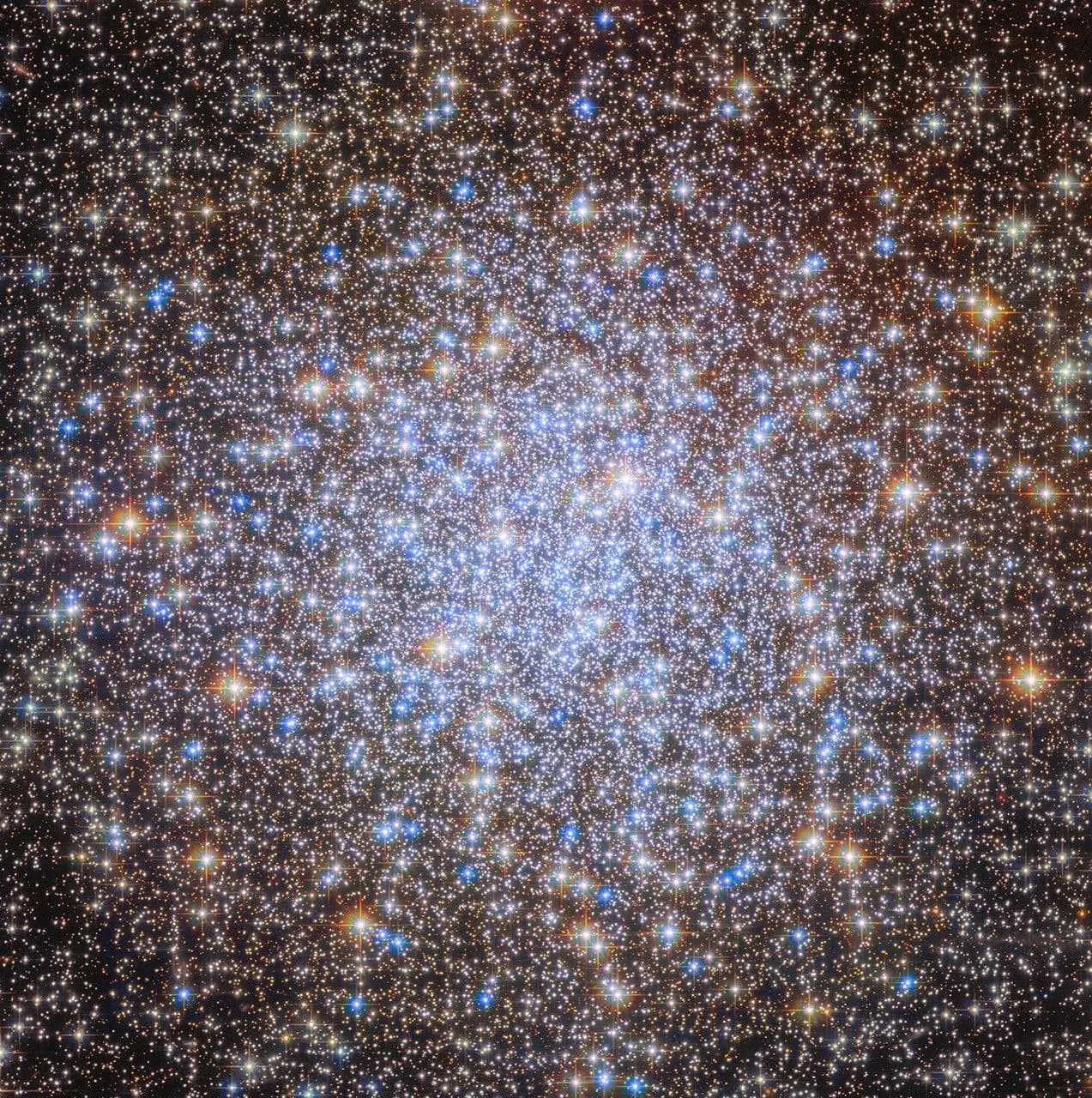
Highlights
- ESA and NASA released a new Hubble Space Telescope image of globular cluster NGC 6723 on June 26, 2026.
- NGC 6723, nicknamed the 'Chandelier Cluster,' is located approximately 27,000 light-years from Earth in the constellation Sagittarius.
- Stars within NGC 6723 are predominantly over 10 billion years old, making the cluster one of the earliest structures formed in the Milky Way.
- The formation mechanisms of globular clusters remain an unresolved question in astronomy, with research ongoing.
- The image was credited to ESA/Hubble & NASA, with contributions from astronomers A. Sarajedini and G. Piotto.
Image Credit: ESA/Hubble & NASA, A. Sarajedini, G. Piotto
The European Space Agency (ESA) and NASA released a breathtaking new image from the Hubble Space Telescope on June 26, 2026, showcasing globular cluster NGC 6723 — popularly known as the "Chandelier Cluster." True to its nickname, the cluster glitters with thousands of individual points of light in the depths of space, evoking the image of an ornate chandelier suspended in the cosmos.
Each of those glittering "bulbs," however, is a real star. The cluster lies in the direction of the constellation Sagittarius, at a distance of approximately 27,000 light-years from Earth.
Globular Clusters: Among the Milky Way's Oldest Structures
Globular clusters like NGC 6723 harbor some of the oldest stars in the Milky Way. These clusters typically exceed 10 billion years in age — some are nearly as old as the universe itself. Astronomers regard globular clusters as among the earliest structures to have formed in our galaxy, predating the thin galactic disk where our Sun resides by several billion years.
Despite their ancient nature, the precise mechanisms by which globular clusters form remain an open question in astronomy, and research into their origins is ongoing.
Image license: ESA/Hubble & NASA, A. Sarajedini, G. Piotto
原文來源: 查看原文
FAQ
Reviewed and published by the LAETimes editorial desk ·