A Cosmic Chandelier: Hubble Captures Stunning Image of Globular Cluster NGC 6723
ESA and NASA released a Hubble Space Telescope image of globular cluster NGC 6723, nicknamed the 'Chandelier Cluster,' on June 26, 2026. Located in the constellation Sagittarius approximately 27,000 light-years from Earth, the cluster contains some of the Milky Way's oldest stars, with ages exceeding 10 billion years, making it a key target for studying early galactic structure formation.
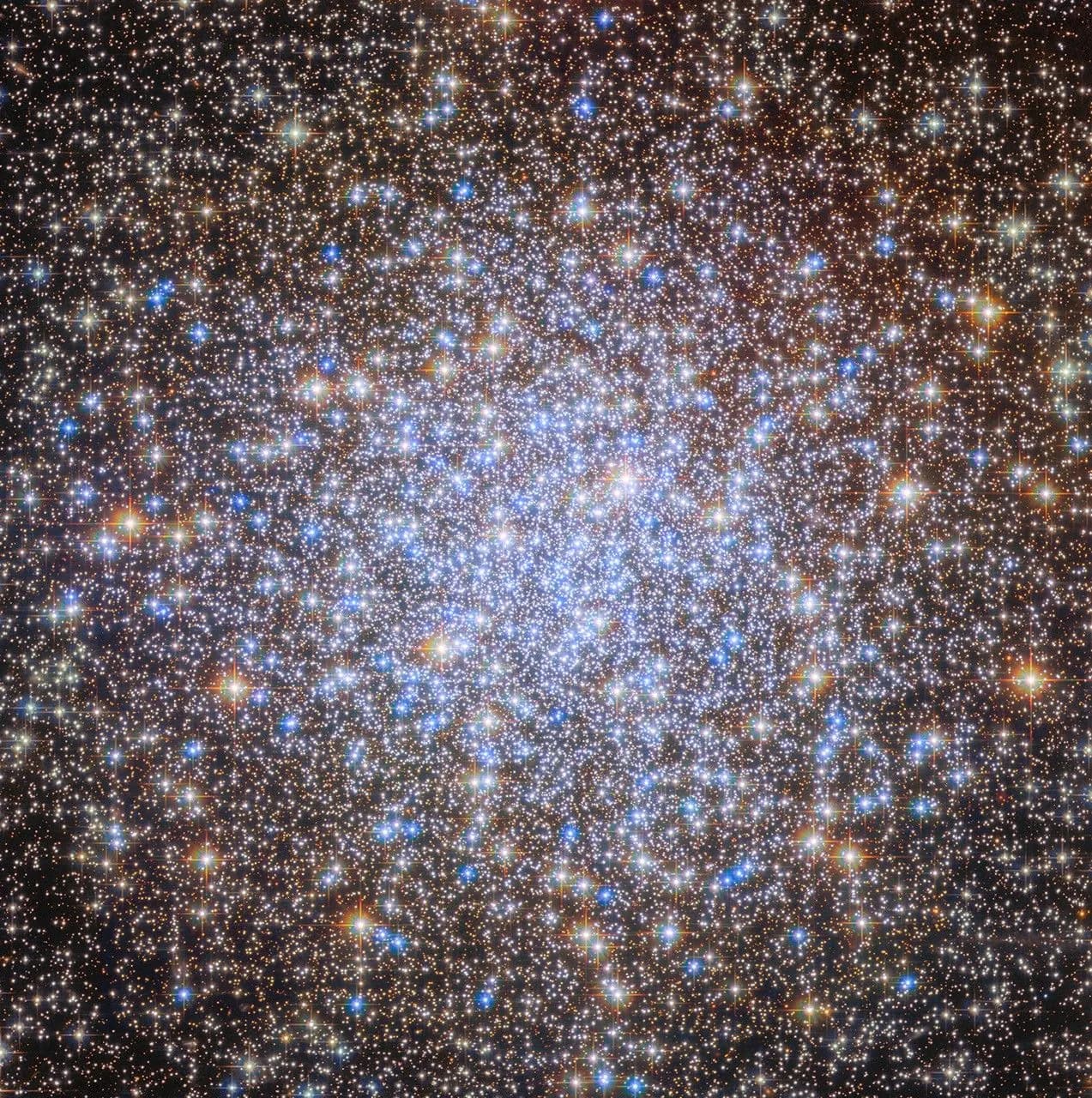
Highlights
- ESA and NASA released a Hubble Space Telescope image of globular cluster NGC 6723 on June 26, 2026.
- NGC 6723, nicknamed the 'Chandelier Cluster,' is located approximately 27,000 light-years from Earth in the constellation Sagittarius.
- Stars within NGC 6723 are among the Milky Way's oldest, with ages exceeding 10 billion years.
- Globular clusters are believed to be among the earliest structures formed in the Milky Way, predating the Sun's galactic thin disk by billions of years.
- The image was provided by astronomers A. Sarajedini and G. Piotto and continues Hubble's mission to explore the universe's evolutionary history.
Image Credit: ESA/Hubble & NASA, A. Sarajedini, G. Piotto
The European Space Agency (ESA) and NASA released a breathtaking astronomical image on June 26, 2026, featuring globular cluster NGC 6723, also known as the "Chandelier Cluster." True to its name, the cluster glitters with countless brilliant points of light deep in the cosmos.
Each of those glittering "bulbs" on this celestial chandelier is, in fact, an individual star. The cluster lies in the direction of the constellation Sagittarius, approximately 27,000 light-years from Earth.
One of the Milky Way's Oldest Structures
Globular clusters like NGC 6723 contain some of the oldest stars in the Milky Way. These clusters are typically more than 10 billion years old, with some approaching the age of the universe itself.
Astronomers consider globular clusters to be among the earliest structures to have formed in the Milky Way, predating the galactic thin disk — the region where our Sun resides — by billions of years. Exactly how globular clusters form, however, remains an open question in astronomy and a key subject of research into the history of galactic evolution.
Hubble Continues to Unlock Cosmic Mysteries
This image was captured by the Hubble Space Telescope and provided by the research teams of astronomers A. Sarajedini and G. Piotto. It showcases the dense stellar population of the globular cluster and its breathtaking star-field backdrop. By conducting long-term observations of such ancient clusters, scientists can trace the early formation of the Milky Way and deepen our understanding of the universe's evolutionary history.
Image Credit: ESA/Hubble & NASA, A. Sarajedini, G. Piotto
原文來源: 查看原文
FAQ
Reviewed and published by the LAETimes editorial desk ·