Israel's Rafael Unveils Hunter Eagle Counter-UAS Interceptor at ILA Berlin, No Explosive Warhead Required
Israeli defense firm Rafael Advanced Defense Systems showcased the Hunter Eagle counter-UAS interceptor at the 2026 ILA Berlin Air Show. Weighing just 5 kg and capable of reaching 396 km/h during terminal intercept, the system uses a mesh-networking architecture allowing a single ground control station to simultaneously coordinate up to 10 interceptors, enabling effective response to drone swarm attacks.
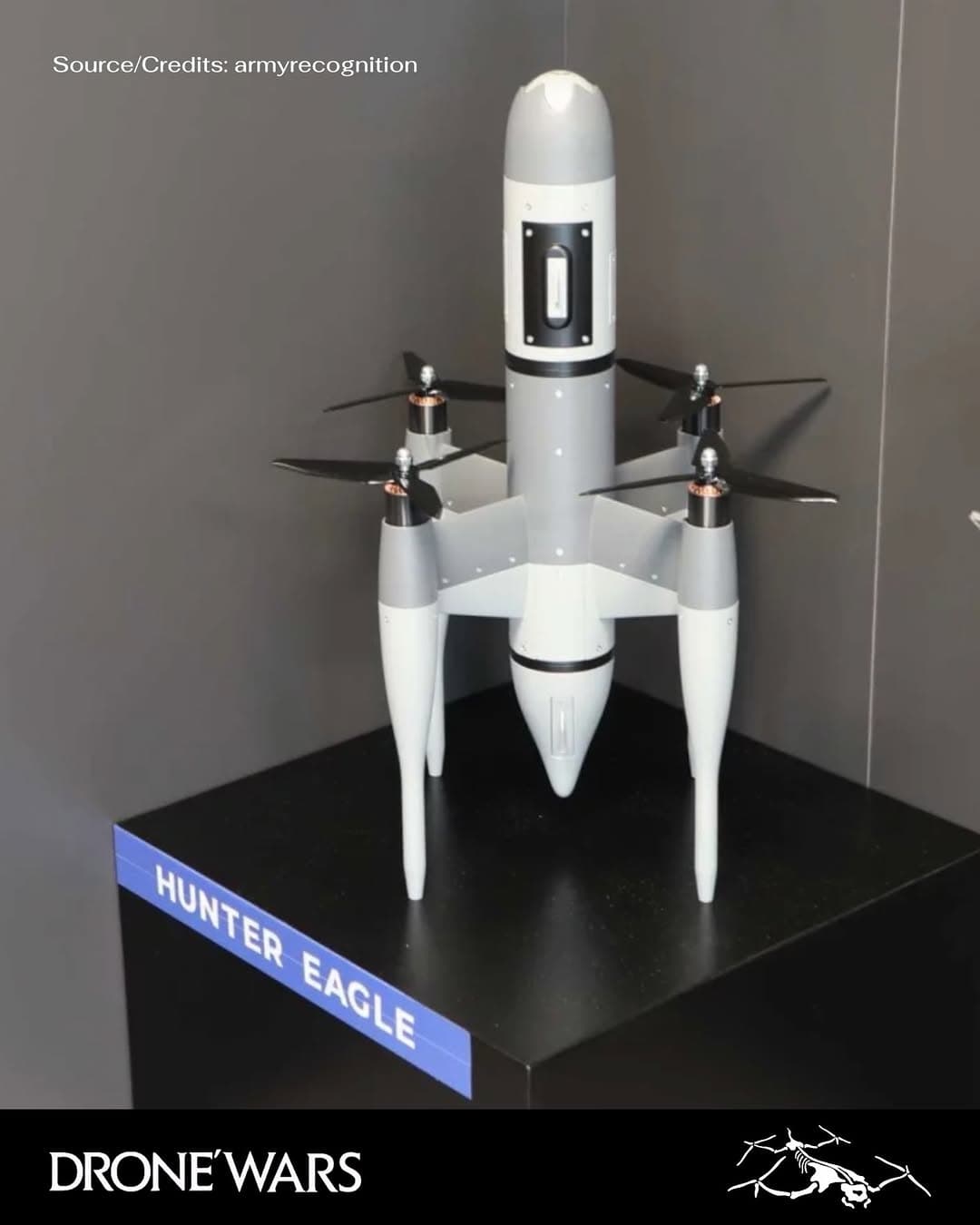
Highlights
- Rafael Advanced Defense Systems debuted the Hunter Eagle counter-UAS interceptor at the 2026 ILA Berlin Air Show, which runs through June 14.
- Hunter Eagle weighs 5 kg, reaches a terminal intercept speed of 396 km/h (110 m/s), and carries no explosive warhead, relying on kinetic or non-explosive intercept methods.
- A single ground control station can coordinate up to 10 Hunter Eagle interceptors simultaneously via mesh-networking, enabling multi-target and drone-swarm engagement.
- The system has an endurance of approximately 20 minutes and is designed for point defense of military installations, critical infrastructure, and high-value assets.
- The Hunter Eagle's lightweight, low-cost, warhead-free design directly addresses the rising global threat of small drone and swarm attacks on the modern battlefield.
Israel's Rafael Unveils Hunter Eagle Counter-UAS Interceptor at ILA Berlin
Israeli defense company Rafael Advanced Defense Systems has unveiled its latest Hunter Eagle counter-UAS interceptor at the 2026 ILA Berlin International Aerospace Exhibition, which opened yesterday and runs through June 14.
Lightweight Design, No Explosive Warhead
The Hunter Eagle is designed for close-range defeat of enemy drones. The system weighs just 5 kg, featuring a lightweight magnesium-aluminum alloy airframe equipped with a two-axis stabilized bolometric electro-optical seeker and four wing-mounted electric propulsion units.
Notably, unlike conventional interceptors, the Hunter Eagle carries no explosive warhead. Instead, it neutralizes targets through kinetic impact or other non-explosive means, significantly reducing the risk of collateral damage.
Mesh-Networking Architecture: One Station Controls Up to 10 Interceptors
According to Rafael, the Hunter Eagle employs a mesh-networking communications architecture that allows a single ground control station to simultaneously coordinate up to 10 Hunter Eagle interceptors. This gives the system the ability to engage multiple targets at once and respond effectively to coordinated drone swarm attacks.
Flight Performance Specifications
In terms of flight performance, the Hunter Eagle cruises at approximately 70 m/s (around 252 km/h), accelerating to 110 m/s (around 396 km/h) during the terminal intercept phase. The system has an endurance of approximately 20 minutes, positioning it as a solution for point defense and short-range protection of military installations, critical infrastructure, and other high-value assets rather than wide-area air defense.
Market Positioning and Operational Outlook
As the threat from small drones on the modern battlefield continues to escalate, military demand for counter-UAS systems has surged globally. With its lightweight, low-cost, warhead-free design, the Hunter Eagle offers a flexible and effective close-range defense solution for military bases and critical facilities. Its multi-interceptor coordination capability is a direct answer to the growing challenge of drone swarm tactics.
Source: Army Recognition
原文來源: 查看原文
FAQ
Reviewed and published by the LAETimes editorial desk ·