Low-Cost Ukrainian Drones Breach Russian S-400, S-300, and Pantsir Air Defence Systems
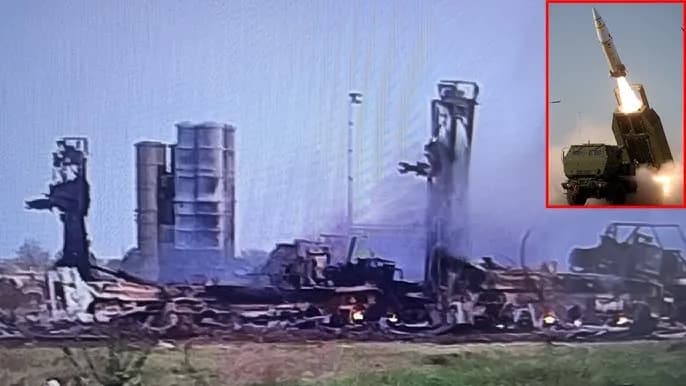
Ukraine's mass-produced, low-cost long-range one-way attack drones are penetrating one of history's most expensive air defence networks at a rate of 20–30%, systematically degrading Russian S-400, S-300, and Pantsir systems valued at billions of dollars and redefining the economics of modern asymmetric warfare.
Highlights
- Ukrainian mass-produced low-cost one-way attack drones are achieving a 20–30% penetration rate against Russia's multi-layered S-400, S-300, and Pantsir air defence network.
- Russia's air defence assets — including S-400, S-300, and Pantsir systems — are estimated to be worth billions of dollars, yet are being systematically degraded by comparatively inexpensive Ukrainian drones.
- Ukraine's swarm attack strategy forces Russia into an unsustainable cost-exchange dilemma, as each S-400 interceptor missile costs far more than the drone it destroys.
- Multiple nations are accelerating development of laser weapons, electronic warfare, and kinetic intercept systems as cost-effective alternatives to missile-based counter-drone solutions.
- The Ukraine conflict has established a new asymmetric warfare precedent: low-cost drone technology combined with swarm tactics can effectively suppress billion-dollar conventional air defence systems.
Ukraine's mass-produced, low-cost long-range one-way attack drones are piercing one of the largest and most expensive air defence networks ever assembled. Reported penetration rates of 20–30% have proven sufficient to inflict systematic damage on Russia's layered air defence architecture.
A New Paradigm for Asymmetric Warfare
This conflict is fundamentally rewriting the logic of modern air defence. Russia has deployed a multi-layered defence network encompassing the S-400, S-300, and Pantsir systems — each platform costing hundreds of millions of dollars, with total air defence assets estimated in the billions. Yet Ukraine continues to strike with comparatively inexpensive mass-produced drones, exploiting numerical superiority to exhaust Russia's costly interceptor missile stockpiles and creating a profoundly lopsided cost exchange ratio.
How a 20–30% Penetration Rate Delivers Strategic Effect
A 20–30% penetration rate may appear modest in isolation, but when Ukraine launches large-scale swarm attacks, enough drones survive interception to strike their targets and inflict meaningful damage. The strategy serves a dual purpose: causing physical destruction while compelling Russia to continuously deplete high-value interceptor inventories, generating unsustainable resupply pressure over time.
The Structural Dilemma Facing Conventional Air Defence
Traditional air defence systems were designed primarily to counter high-value cruise missiles and ballistic missiles. When confronted with large swarms of cheap drones, these systems face a fundamental "high-cost vs. low-cost" dilemma — each S-400 interceptor missile costs far more than the target it destroys, making the attrition model economically unsustainable over any extended campaign.
Implications for Global Defence Thinking
Ukraine's drone tactics are drawing intense scrutiny from military analysts worldwide. The conflict has made clear that future air defence architectures must be capable of neutralising mass drone attacks through cost-effective means. The traditional model of high-price missile interception is proving inadequate against drone swarms. Multiple nations have already begun reassessing their air defence strategies, accelerating development of laser weapons, electronic warfare systems, and kinetic intercept solutions that offer more favourable cost-exchange ratios.
Ukraine's battlefield experience demonstrates that on the modern battlefield, innovative asymmetric tactics combined with low-cost technology can effectively counter — and even suppress — the expensive, cutting-edge weapons systems of established military powers.
原文來源: 查看原文
FAQ
Reviewed and published by the LAETimes editorial desk ·