Turkey Sidelines Russian S-400 from 'Steel Dome' Air Defense Network, Courts Franco-Italian SAMP/T and Pushes for F-35 Re-entry
Turkey is quietly marginalizing its Russian-made S-400 air defense system, excluding it from the country's multi-layered 'Steel Dome' air defense architecture. Defense Minister Yasar Guler confirmed Ankara is evaluating both the U.S. Patriot system and the Franco-Italian SAMP/T as NATO-compatible alternatives. Meanwhile, President Trump signaled willingness to sell F-35s to Turkey at the NATO summit in Ankara and pledged to lift CAATSA sanctions, marking a significant shift on the long-running S-400 dispute.
Highlights
- Turkey has formally excluded its Russian-made S-400 systems from the 'Steel Dome' national air defense architecture, signaling they will not be operationally integrated.
- Defense Minister Yasar Guler confirmed Turkey is evaluating both the U.S. Patriot missile system and the Franco-Italian SAMP/T as NATO-compatible replacements.
- President Trump pledged at the July 2025 NATO summit in Ankara to lift CAATSA sanctions on Turkey and said the U.S. would consider selling F-35 fighters to Ankara.
- U.S. Ambassador Tom Barrack stated in December 2024 that Turkey was moving toward removing the S-400 and predicted the issue would be resolved within four to six months.
- Israel's Prime Minister Netanyahu urged the U.S. not to sell F-35s to Turkey, warning it would upset the regional balance of power; Ankara rejected the objection.
Turkey Sidelines Russian S-400 from 'Steel Dome' Air Defense Network, Courts SAMP/T and Pushes for F-35 Re-entry
As Ankara actively seeks to rejoin the U.S. F-35 fighter jet program, Turkey appears to be quietly shelving its Russian-made S-400 air defense system in favor of NATO-aligned alternatives.
Despite significant advances in military aviation, drone technology, and shipbuilding, Turkey has long struggled with a critical gap in indigenous air defense capabilities. To fill that void, Ankara signed an agreement with Russia in 2017 to procure four batteries of the S-400 surface-to-air missile system.
The U.S.-led NATO alliance strongly opposed the purchase, citing concerns that the S-400 could compromise classified technology embedded in the F-35 stealth fighter. Despite repeated warnings, Turkey pressed ahead — driven in part by the urgent need for long-range air defense capabilities exposed by the 2016 domestic coup attempt, and by Ankara's inability at the time to secure Patriot missiles or the SAMP/T system from NATO partners.
After the first S-400 deliveries arrived in Turkey in 2019, the first Trump administration imposed sanctions under the Countering America's Adversaries Through Sanctions Act (CAATSA) and permanently removed Turkey from the F-35 program — a significant blow to the Erdoğan government, particularly as the Turkish Air Force faced urgent fleet modernization needs.
Notably, however, Turkey never operationally deployed the S-400s, despite the steep diplomatic and strategic cost of their acquisition.
S-400 Excluded from the 'Steel Dome'
Of greater strategic significance is the fact that the S-400 has no role in Turkey's emerging 'Steel Dome' — a multi-layered, AI-enhanced, network-centric air defense shield designed to provide comprehensive protection of Turkish airspace. Ankara is actively evaluating the procurement of NATO-compatible systems to fill that role.
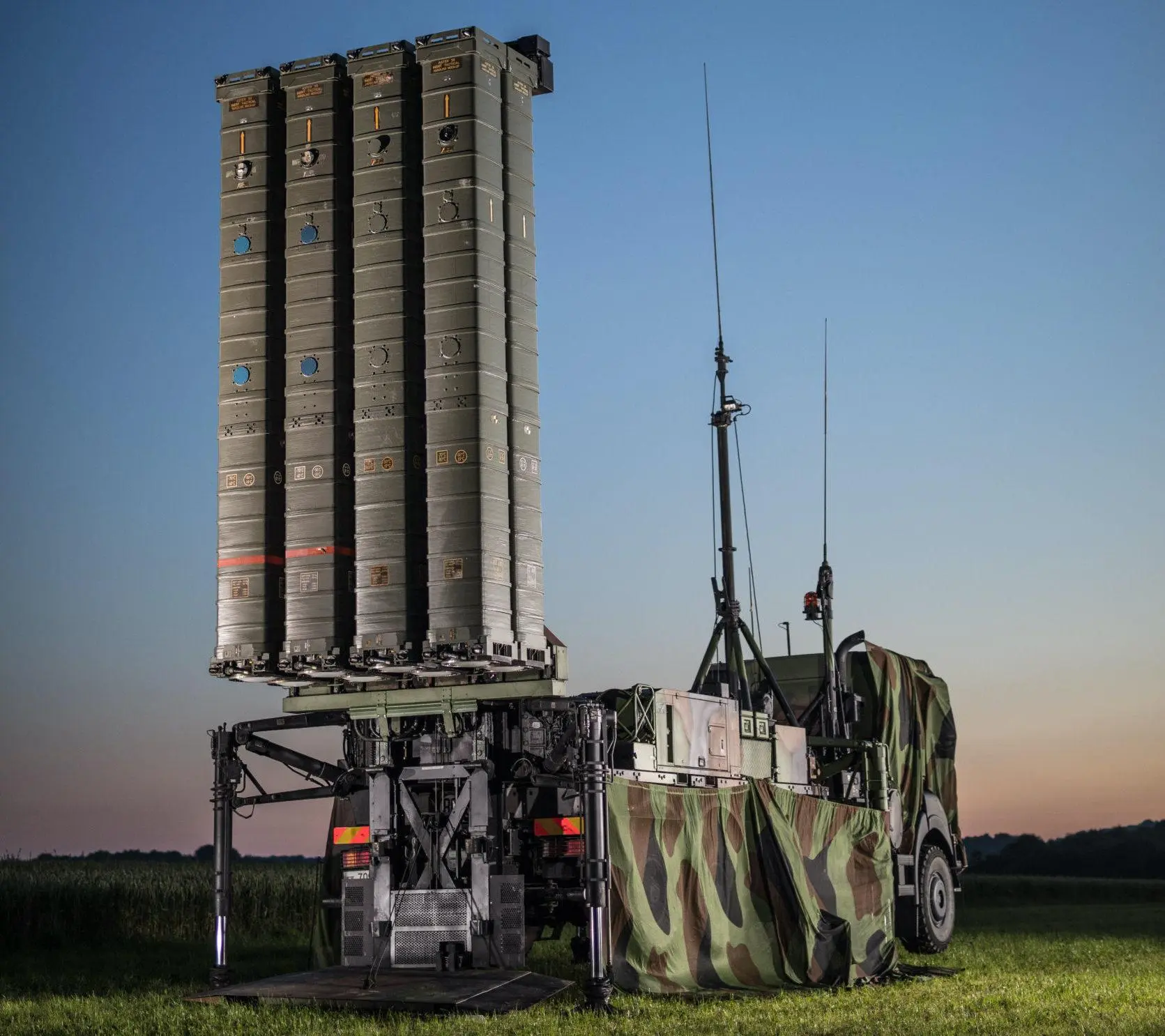
Last week, Turkish Defense Minister Yasar Guler told Reuters that Turkey is assessing all options capable of meeting its air defense requirements, including the U.S.-made Patriot missile defense system and its European counterpart, the Franco-Italian SAMP/T.
"Our fundamental position on this issue is clear: we are open to all forms of cooperation that meet our national security needs, involve technology transfer and co-production, and are sustainable and in the spirit of the alliance," Minister Guler stated.
The remarks, made ahead of the NATO summit on July 7, were widely interpreted as a signal that Ankara is seeking to deepen ties with its alliance partners.
A separate Reuters report, citing sources familiar with the matter, indicated that France is considering selling SAMP/T to Turkey following years of tensions over Syria, Libya, and disputes in the Eastern Mediterranean. According to the report, Paris's position softened following a meeting last month between French President Emmanuel Macron and Italian Prime Minister Giorgia Meloni.
The Fate of the S-400
In November 2024, Minister Guler indicated that the United States had agreed to accept the S-400 remaining in a non-operational, powered-down state. Analysts, however, believe the Trump administration will only approve an F-35 sale if Turkey agrees to fully dispose of the systems in a way that renders them permanently inoperable.
President Donald Trump stated in March 2025 that he would be open to selling F-35s to Ankara if an agreement could be reached to render the S-400 systems "inoperable." In December, Trump's close ally and U.S. Ambassador to Turkey Tom Barrack indicated that Turkey was moving toward removing the Russian-made air defense systems.
"I believe these issues will be resolved within the next four to six months," Barrack said when asked whether Turkey would abandon the S-400.
Former Turkish minister Cavit Çağlar had previously proposed selling the systems to a third country, but end-user certificates embedded in the original contract prohibit resale without Russian consent, making that option unworkable.
Turkey has remained tight-lipped about the ultimate disposition of the S-400s, but excluding the systems from the Steel Dome architecture and actively pursuing Western air defense alternatives sends a clear signal that Ankara may be prepared to walk away from the Russian systems entirely.
An F-35 Deal Closer Than Ever
Trump, speaking after arriving in Ankara for the NATO summit, said the United States would consider selling F-35 fighters to Turkey.
"That's a decision we're going to make… It's a great plane — without question the best — and it's certainly something we'll consider," Trump said in Ankara.
Notably, Trump made no effort to conceal his personal rapport with Turkish President Recep Tayyip Erdoğan, even as he criticized NATO for not doing enough to help the United States counter Iran. "If it weren't for President Erdoğan holding the summit in Turkey, I don't think I would have attended," Trump said, referencing the gathering.
When asked whether CAATSA sanctions against Turkey would be lifted, Trump stated: "We will remove the sanctions. We don't want to sanction friends."
President Erdoğan, for his part, said: "On this issue, Mr. Trump has always kept his word. I believe this leaders' summit will make a favorable decision on the F-35." The comments suggest that momentum is building to clear the remaining obstacles to Ankara's acquisition of the stealth fighter.
Israeli Prime Minister Benjamin Netanyahu earlier this week urged the United States not to sell F-35s to Turkey, warning that doing so would "upset the regional balance of power." Ankara dismissed the objection. Israel has long opposed the potential sale; according to Israeli media reports from 2019, Israel had covertly worked to block a U.S. F-35 sale to Ankara — leveraging the S-400 dispute as an opportunity — in order to preserve its qualitative military edge in the region.
原文來源: 查看原文
FAQ
Newsletter
Subscribe to our Low-Altitude Industry Newsletter
Daily curated news on low-altitude economy and drone industry, delivered to your inbox.
Reviewed and published by the LAETimes editorial desk ·