U.S. Coast Guard Partners with Saildrone to Deploy Unmanned Surface Vessels in Northern Waters for Enhanced Border Surveillance
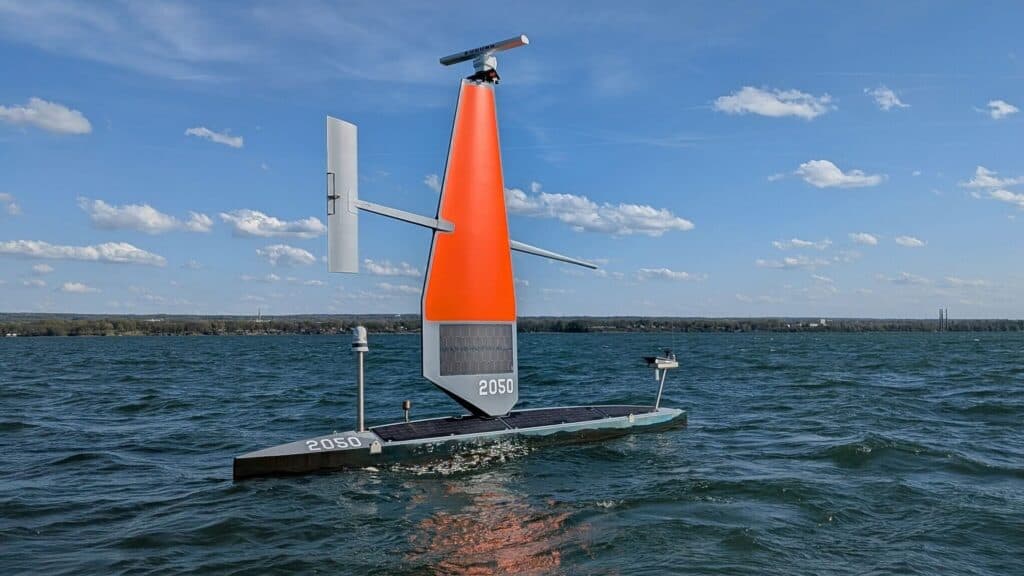
The U.S. Coast Guard has partnered with unmanned surface vehicle (USV) manufacturer Saildrone to deploy Voyager USVs in northern waters for persistent coastal surveillance and near-shore mapping. Capable of remaining at sea for approximately 100 days per deployment, the Voyager significantly boosts border security and maritime domain awareness while reducing personnel and logistics costs.
Highlights
- The U.S. Coast Guard has partnered with Saildrone to deploy Voyager unmanned surface vehicles (USVs) for surveillance in northern U.S. waters.
- The Saildrone Voyager can remain at sea for approximately 100 days per deployment without returning to port, dramatically lowering logistics and personnel costs.
- The Voyager is tasked with persistent coastal surveillance and near-shore mapping missions to enhance maritime domain awareness and border security.
- Saildrone uses wind and solar power for autonomous navigation and has prior experience in ocean research, fisheries monitoring, and defense applications.
- The partnership reflects a broader U.S. strategy to integrate unmanned systems alongside crewed vessels and aircraft to expand maritime monitoring efficiency.
U.S. Coast Guard and Saildrone Join Forces to Strengthen Northern Waters Surveillance
The U.S. Coast Guard has entered into a collaboration with unmanned surface vehicle (USV) manufacturer Saildrone to deploy autonomous vessels in northern waters, aiming to bolster border security and maritime monitoring capabilities.
The Voyager USV: An Enduring Maritime Sentinel
Saildrone's Voyager unmanned surface vehicle is purpose-built for persistent coastal surveillance and near-shore mapping missions. Its most notable advantage is exceptional endurance — a single deployment can sustain continuous at-sea operations for approximately 100 days without returning to port for resupply, dramatically reducing personnel requirements and logistical overhead.
Enhancing Border Security and Maritime Domain Awareness
Leveraging the Voyager's long-duration autonomous patrol capability, the Coast Guard can maintain uninterrupted surveillance coverage across vast northern maritime zones, significantly improving situational awareness of border activities. The partnership also reflects a broader U.S. strategic commitment to unmanned systems, using autonomous vehicles to complement traditional crewed vessels and aircraft — expanding both the scope and efficiency of maritime monitoring operations.
Growing Role of USVs in Maritime Security
The adoption of unmanned surface vehicles in global maritime security has accelerated rapidly in recent years. Saildrone, known for its wind- and solar-powered autonomous navigation technology, has built a strong track record across ocean science research, fisheries monitoring, and defense and security applications. This latest collaboration with the Coast Guard further validates the operational value of USVs in homeland security missions.
原文來源: 查看原文
FAQ
Reviewed and published by the LAETimes editorial desk ·