Solar-Powered HAPS Rises: Sceye Plans to Deliver Better Connectivity from the Stratosphere
New Mexico-based Sceye is developing a roughly 60-metre helium-filled High-Altitude Platform System (HAPS) that could cross the Pacific as early as August to station itself approximately 18 km above the ocean off Japan's coast. The platform will support SoftBank's 5G direct-to-device testing from the stratosphere. This spring, it completed a 12-day test flight and logged over 88 hours of station-keeping at multiple locations.
Highlights
- Sceye plans to fly its ~60-metre helium-filled HAPS across the Pacific as early as August 2025 to support SoftBank's 5G direct-to-device testing off the coast of Japan.
- The aircraft will station itself approximately 18 km above sea level in the stratosphere, offering near-space signal coverage without the cost or orbital complexity of satellites.
- In spring 2025 test flights, the Sceye HAPS remained airborne for 12 consecutive days and logged over 88 hours of precision station-keeping across multiple locations.
- Sceye CEO Mikkel Vestergaard Frandsen envisions HAPS becoming as commonplace as ships or trains, serving densely populated areas alongside satellite operators.
Solar-Powered HAPS Rises: Sceye Plans to Deliver Better Connectivity from the Stratosphere
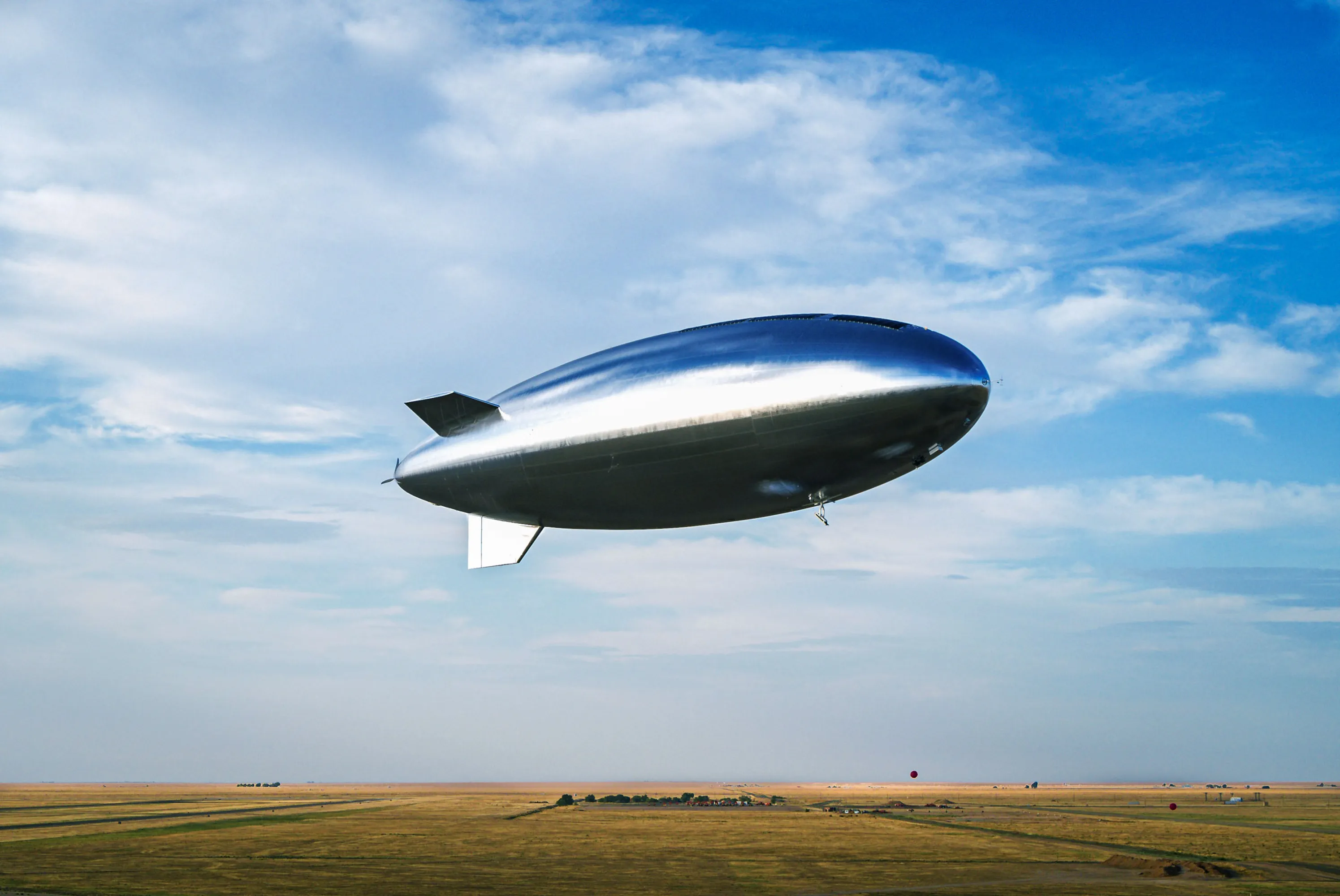
As early as this August, a giant silver "bullet" will cut through the dry air of the American Southwest and cross the Pacific Ocean toward the coast of Japan.
Built by New Mexico-based company Sceye, the roughly 60-metre (approximately 200-foot) aircraft will station itself in the thin haze of the stratosphere about 18 kilometres above the ocean surface. Equipped with custom antennas, it will support SoftBank's 5G network — with testing focused on transmitting data directly to end-user devices.
What Is HAPS?
Sceye (pronounced like "sky") is one of a small number of companies developing so-called HAPS — High-Altitude Platform Stations/Systems. HAPS vehicles can take the form of fixed-wing aircraft, balloons, or, as in Sceye's case, helium-filled elliptical craft fitted with solar panels. Multiple HAPS developers, including Aalto — a subsidiary of Airbus — see the technology as a versatile high-altitude asset, capable of delivering internet connectivity to disaster zones or conducting Earth observation missions.
When hovering above Roswell, New Mexico, the high-altitude system is sheathed in lightweight, reflective fabric.
The Advantage of the Stratosphere
The stratosphere is an ideal vantage point for covering vast areas. It is far closer to Earth's surface than even low-Earth orbit (LEO) satellites, meaning significantly less energy is required to transmit signals.
"What we ultimately offer is a near-space environment without the cost of going to space and without the complexity of managing a satellite in orbit," said Mikkel Vestergaard Frandsen, Sceye's CEO and founder.
Technical Challenge: Balancing Lightness and Durability
However, maintaining a sustained stratospheric station is far from straightforward. Frandsen explained that Sceye's aircraft must be light enough to remain aloft while being robust enough to carry all necessary systems. It must also capture and store sufficient solar energy during daylight hours to power its electric fans around the clock — the fans are needed to guide the craft back on station whenever wind pushes it off position. This station-keeping capability was validated during test flights in 2024.
Successful 12-Day Test Flight This Spring
Following the 2024 tests, Sceye has continued preparing for its major Japan trial. Footage from test flights conducted this spring shows the aircraft remaining airborne for 12 consecutive days, flying as far as the coast of Brazil and accumulating more than 88 hours of station-keeping across multiple locations.
Looking ahead, the company hopes its platform will help satellite operators serve densely populated areas more effectively.
Frandsen said that one day, spotting a HAPS in the sky may be as unremarkable as seeing a ship in port or a train on its tracks.
原文來源: 查看原文
FAQ
Newsletter
Subscribe to our Low-Altitude Industry Newsletter
Daily curated news on low-altitude economy and drone industry, delivered to your inbox.
Reviewed and published by the LAETimes editorial desk ·