Ukraine Emerges as Global Leader in Purpose-Built Interceptor Drones Designed to Hunt Russian Shahed UAVs
Ukraine has become the world's leading developer and manufacturer of dedicated interceptor drones engineered specifically to neutralize Russian Shahed-series attack drones. Driven by the economic inefficiency of using costly missiles against cheap one-way attack drones, Ukraine has leveraged frontline combat data to rapidly iterate designs, establishing a unique 'drone-vs-drone' air defense capability that NATO allies are now closely studying.
Highlights
- Ukraine has become the global leader in developing and mass-producing purpose-built interceptor drones specifically designed to destroy Russian Shahed-series attack UAVs.
- A single Shahed drone costs an estimated $20,000–$50,000 USD, while the missiles traditionally used to intercept them cost tens of times more, driving Ukraine to develop low-cost drone interceptors.
- Ukrainian interceptor drones travel at speeds sufficient to pursue Shahed UAVs flying at 180–200 km/h and use AI-assisted audio and visual recognition for target acquisition in low-visibility conditions.
- Ukraine's rapid procurement mechanism allows new interceptor drone models to progress from prototype to frontline deployment within weeks, enabled by continuous real-time battlefield data feedback.
- Multiple NATO member states are studying Ukraine's drone-vs-drone air defense model, with analysts predicting it will become a core element of modern air defense doctrine globally.
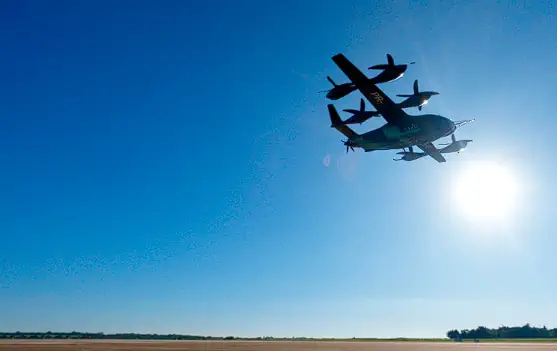
At first, there is only a faint hum in the distance. The sound grows clearer, louder — and then, before you know it, a drone is overhead, its high-pitched whine cutting through the air.
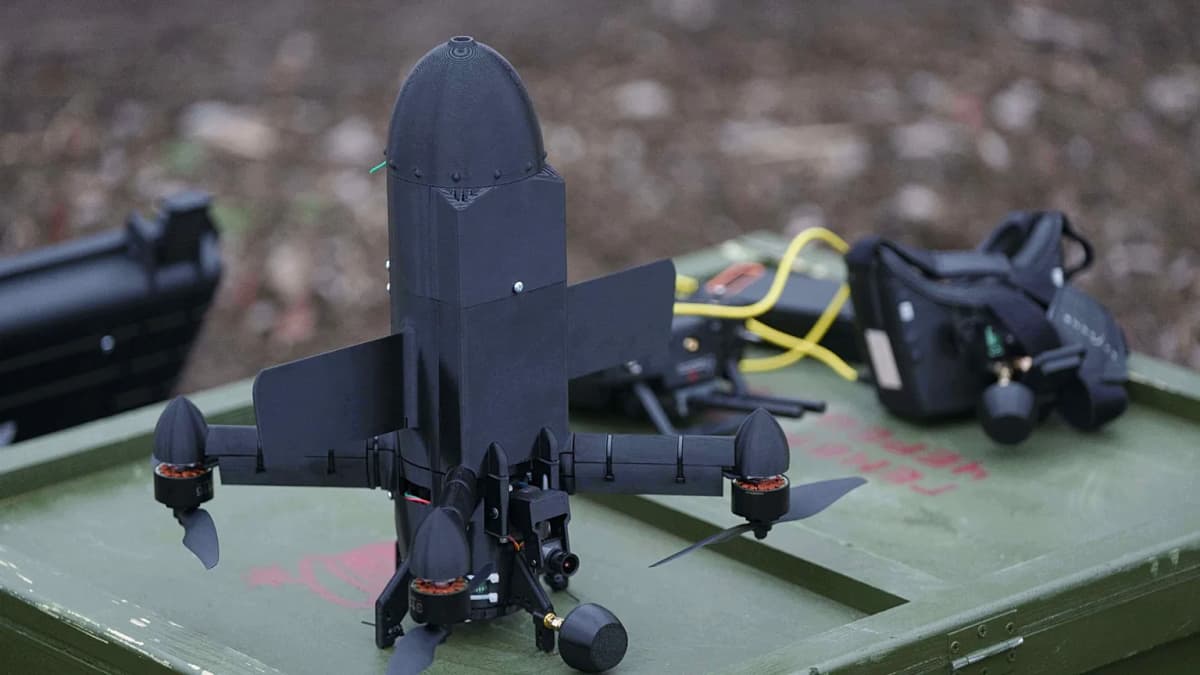
This is not a Russian Shahed attack drone. It is a Ukrainian-built interceptor: an aircraft designed from the ground up to hunt and destroy intruding UAVs.
From Passive Defense to Active Pursuit
Since Russia began its large-scale campaign using Iranian-designed Shahed-series drones to strike Ukrainian cities and critical infrastructure, Ukraine's military and domestic drone industry have worked in close partnership to develop an innovative air defense paradigm — one that fights drones with drones.
Conventional air defense systems are expensive, and using missiles to intercept low-cost UAVs is economically untenable. A single Shahed drone is estimated to cost between $20,000 and $50,000 USD, while the surface-to-air missiles used to bring them down can cost tens of times more. Ukraine's response has been to develop purpose-built interceptor drones at a fraction of that cost, matching or undercutting the threat on price while maintaining effectiveness.
Technical Characteristics of Ukraine's Interceptor Drones
Ukraine's interceptor drones are typically engineered with the following capabilities:
- High-speed maneuverability: Capable of rapidly pursuing and intercepting Shahed drones traveling at approximately 180–200 km/h
- Audio and visual recognition systems: AI-assisted target identification that can lock onto targets at night or in complex operating environments
- Low-cost design: Per-unit cost significantly below that of conventional air defense missiles, enabling mass production at scale
- Autonomous or semi-autonomous operation: Reduced reliance on human operators, enabling faster response times
A Combat-Proven Industrial Advantage
Ukraine's edge lies not only in its technology, but in its unparalleled real-world testing environment. Every interception mission generates actionable data, allowing engineers to iterate and refine designs with extraordinary speed. This "battlefield as laboratory" model has allowed Ukraine's drone sector to accumulate frontline operational experience that other nations would find difficult to replicate.
Multiple domestic companies are now actively developing and producing interceptor drones. The Ukrainian government has backed this effort with dedicated funding and established rapid procurement mechanisms that allow new models to move from prototype to frontline deployment within a matter of weeks.
A New Paradigm for Global Drone Warfare
Ukraine's breakthroughs in the interceptor drone domain are reshaping the logic of modern air defense. Several NATO member states and other countries have already begun studying Ukraine's experience, examining how similar systems might be integrated into their own air defense architectures.
Analysts note that low-cost one-way attack drones of the Shahed type have become a "new normal" in modern conflict. The drone-hunting-drone strategy that Ukraine has demonstrated is widely expected to become a core component of future air defense operations.
Ukraine's journey is more than a story of national survival under fire — it represents a defining chapter in the global history of drone industry development, and one the wider defense and UAV community would do well to study closely.
原文來源: 查看原文
FAQ
Reviewed and published by the LAETimes editorial desk ·