Trump Claims Investigation Into Iranian Shahed Drone Storage in Cuba: What It Could Mean
U.S. President Trump stated on July 13 that his administration is investigating whether Iran is storing Shahed attack drones in Cuba. No official evidence has been made public, but Trump's strong language implied military action could follow if proof is found. Analysts suggest the claims may be laying the groundwork for a future 'casus belli' against Cuba.
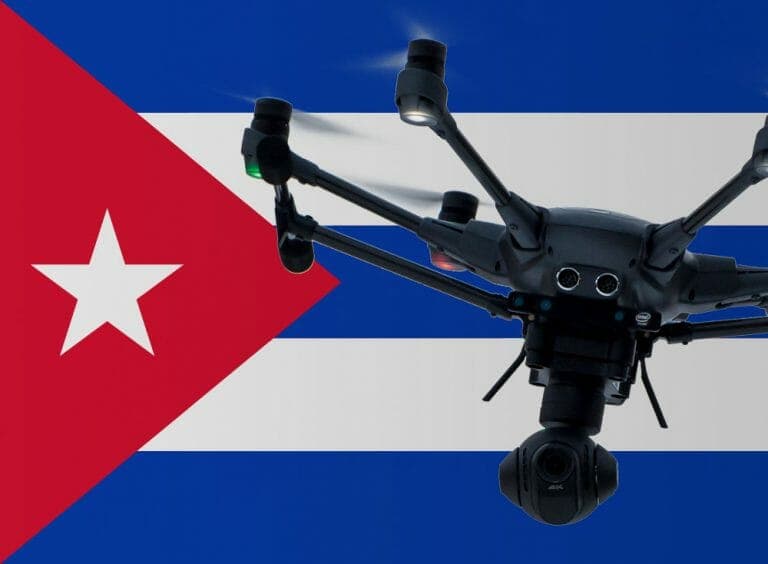
Highlights
- President Trump stated on July 13, 2025, that the U.S. is investigating whether Iran is storing Shahed attack drones in Cuba, with no official evidence yet confirmed.
- A May 17, 2025 Axios report claimed classified intelligence showed Cuba had acquired over 300 military drones and discussed strikes on Guantanamo Bay and Key West.
- Trump warned that if drones are confirmed to be present in Cuba, the U.S. would 'take care of it quickly,' implying potential military action.
- Analysts suggest the repeated allegations may be constructing a casus belli — a justification for future U.S. military operations against Cuba.
- Observers recommend tracking the frequency of similar claims as a key indicator of the direction of U.S. Cuba policy.
Trump Claims Investigation Into Iranian Shahed Drone Storage in Cuba
According to MercoPress, U.S. President Donald Trump stated on July 13 that his administration is investigating whether Iran is actively storing Shahed drones in Cuba. No known official evidence has been confirmed, let alone made public. The claim currently appears to rest largely at the level of speculation — yet Trump's wording strongly implied that U.S. forces would take action if any evidence were found.
The following is part of Trump's response during a media availability in the Oval Office on July 13:
"If they do have those things there, and it's very possible, we'll take care of it quickly. We're not going to allow that to happen."
Echoing May Intelligence Reports
The assertion regarding possible Iranian attack drone storage in Cuba aligns closely with an exclusive Axios report published on May 17 of this year. That report claimed to have obtained classified intelligence indicating that Cuba had acquired more than 300 military drones, and that discussions had taken place regarding potential strikes on Guantanamo Bay, U.S. naval vessels, and Key West, Florida. The U.S. government has yet to officially confirm the authenticity of that intelligence.
Deeper Implications
Claims surrounding the presence of Iranian — and potentially Russian — weapons in Cuba continue to gain traction, particularly following their mention at the presidential level. Observers are now assessing whether the U.S. government may be holding this threat narrative in reserve as a potential casus belli for military action against Cuba, regardless of whether the underlying intelligence proves accurate.
Should the situation genuinely move toward military action against Cuba, the frequency of similar allegations would be expected to escalate noticeably in the lead-up to any operation. Analysts advise closely monitoring the rate at which such statements emerge in order to gauge the likely direction of U.S. policy.
This article was originally published in the Small Wars Journal at Arizona State University.
原文來源: 查看原文
FAQ
Newsletter
Subscribe to our Low-Altitude Industry Newsletter
Daily curated news on low-altitude economy and drone industry, delivered to your inbox.
Reviewed and published by the LAETimes editorial desk ·


