Port St. Lucie Police Launch Skydio X10 Drone-as-First-Responder Program, Rescue Missing Autistic Woman on Day One
The Port St. Lucie Police Department in Florida officially launched its Drone as First Responder (DFR) program on June 11 using Skydio X10 drones. Within hours of activation, a remotely deployed drone located a missing autistic woman before any patrol car arrived, preventing her from reaching a nearby waterway. The department completed 17 missions on the first day alone.
Highlights
- Port St. Lucie Police Department launched its Skydio X10 DFR program on June 11, completing 17 missions on the first operational day.
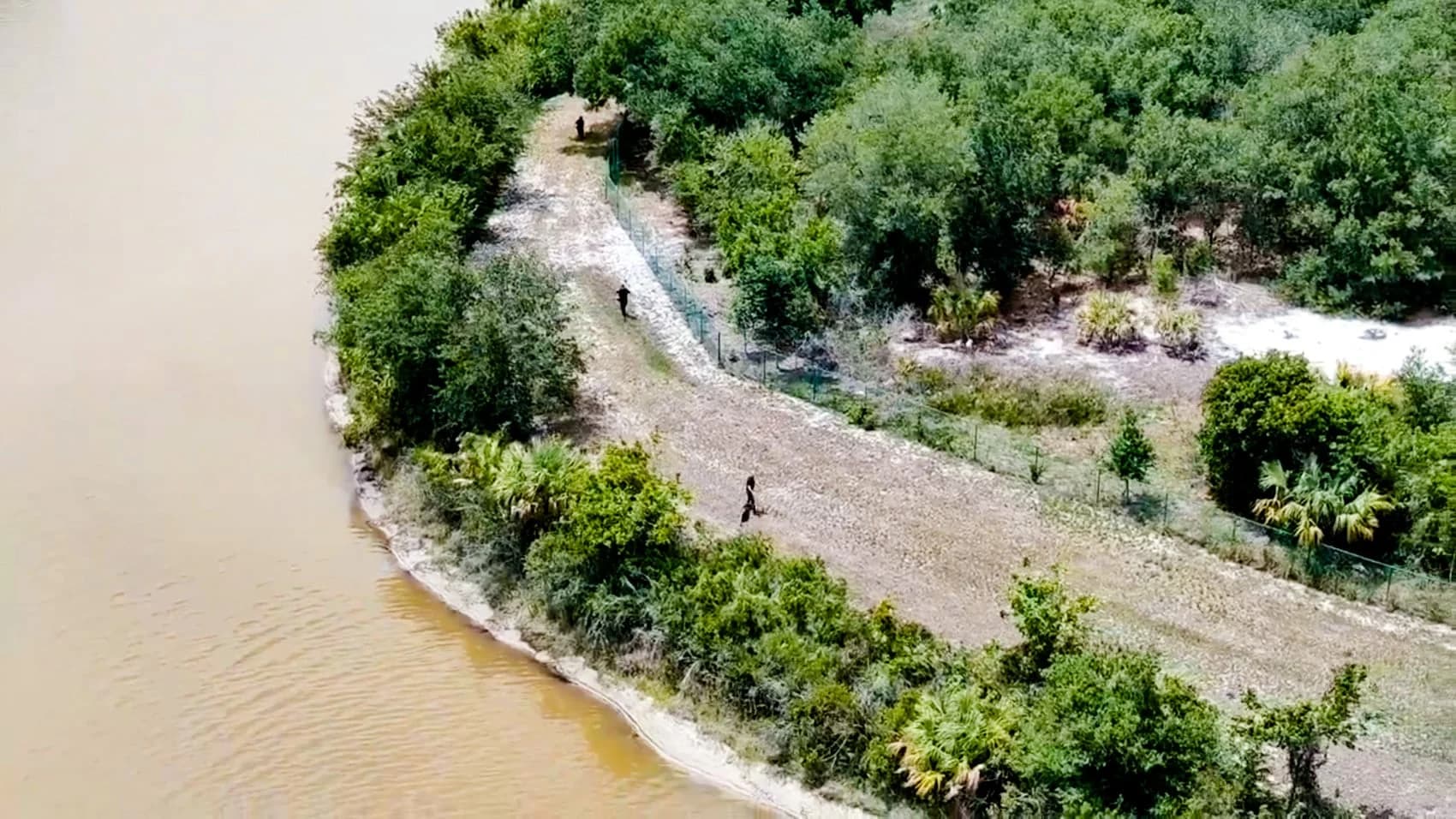
- A Skydio X10 drone located a missing autistic woman near a waterway before any patrol car arrived, preventing a potentially life-threatening incident.
- The program launched with 3 drones and 3 CAD-integrated docking stations; Chief Leo Niemczyk plans to expand to 6 drones and 6 stations after evaluation.
- The Skydio X10 carries a 64MP RGB camera and a Teledyne FLIR Boson+ thermal imager (640×512, 30mK), with a maximum flight time of 40 minutes and top speed of 45 mph.
- PSLPD's Skydio selection — likely via Axon's dispatch integration framework — adds weight to the Skydio-Axon stack becoming the default DFR architecture for mid-sized U.S. cities.
Port St. Lucie Police Launch Skydio X10 DFR Program, Rescue Missing Autistic Woman on Day One
The Port St. Lucie Police Department (PSLPD) in Florida officially launched its Drone as First Responder (DFR) program on June 11 — and the system proved its value almost immediately. Within hours of activation, a remotely piloted drone located a missing autistic woman before any ground unit arrived, preventing her from reaching a nearby waterway.
By the end of the first day, the program had logged 17 missions citywide.
A Rescue Before the Patrol Car Arrived
The standout mission on launch day began with a report of a missing autistic woman in a residential area of Port St. Lucie. The moment the call entered the computer-aided dispatch (CAD) system, a DFR drone launched autonomously from its docking station.
The drone arrived on scene ahead of every patrol vehicle, located the woman, and established visual contact before she could reach the nearby waterway.
During the same flight, the drone also identified the witness who had made the 911 call, giving responding officers a clear picture of both individuals before they even reached the scene.
One thing is certain: a patrol drone built for search and rescue is a machine that has to handle almost anything. It needs to fly reliably in daylight and darkness, in rain, snow, or extreme heat. This is not a fair-weather toy.
Three Docking Stations, One Dispatch Integration, Seventeen Missions
Chief Leo Niemczyk led the rollout with three drones and three docking stations distributed across the city. Each station is directly integrated with the city's CAD system, meaning trained operators can authorize a launch the moment a call comes in. Depending on weather conditions, each mission runs approximately 25 to 35 minutes — consistent with the operational endurance of most DFR-class aircraft.
The department completed 17 missions within the first 24 hours — a workload typical of a fully operational DFR program in a mid-sized U.S. city, not the cautious soft-launch approach most departments take during evaluation.
Chief Niemczyk has already signaled plans to expand the fleet to six drones once the evaluation phase concludes. Six docking stations would cover the majority of the city's response zones, with overlapping coverage in busier neighborhoods.
Niemczyk was direct about the program's purpose: "This program is about saving lives, and on day one, it did that." He added that technology will never replace officers, but when it helps locate vulnerable individuals faster and improves officer safety, it is a worthwhile investment.
Aircraft Confirmed: Skydio X10
PSLPD did not name its vendor at launch, but the aircraft is clearly identifiable from official imagery. The DFR fleet uses the Skydio X10 — the airframe geometry, sensor turret, and docking station form factor are unmistakable.
The X10's rated maximum flight time is 40 minutes, consistent with PSLPD's stated 25–35 minutes (accounting for thermal payload and mission profile). The airframe weighs under 4.7 lbs (2.1 kg), folds to 13.8 inches (35 cm), and reaches a top speed of 45 mph (72 km/h). Payload capacity is 13.6 oz (385 g) — enough for a thermal imager, a spotlight, or both depending on mission requirements.
The X10's sensor suite is central to its DFR suitability. It carries a 64-megapixel RGB camera alongside a Teledyne FLIR Boson+ thermal imager running at 640×512 resolution with 30 millikelvin sensitivity.
For locating a vulnerable subject moving toward a waterway at dusk, the combination is precisely what the mission calls for: the thermal camera sees what RGB cannot, the RGB confirms what the thermal flags, and the operator receives both feeds simultaneously.
The X10 operates across a temperature range of -4°F to 113°F (-20°C to 45°C) — among the widest environmental specifications of any DFR-class product currently available in the U.S. In Florida, where ground-level temperatures around docking stations can spike sharply on summer afternoons, this is a meaningful specification.
The procurement decision also reflects the current market reality. With DJI excluded from federal law enforcement purchasing and Autel rarely appearing in DFR fleet deployments, the practical shortlist for major U.S. police departments has narrowed to Skydio, BRINC, Aerodome, Flock, and Paladin.
PSLPD chose Skydio — almost certainly through the Axon partnership channel, a framework that has standardized dispatch integration for hundreds of law enforcement agencies.
First-Day Numbers Signal Full-Year Trajectory
As reported by CBS, 17 missions in a single day represents substantial operational volume. Most DFR programs average 4 to 10 missions per day during their first evaluation month, scaling up gradually as dispatchers, officers, and operators grow familiar with the system.
PSLPD hitting 17 from day one indicates that dispatchers are actively routing calls to the drones, and that use cases are stacking faster than operators anticipated.
This creates scheduling pressure. Three drones flying 25-minute missions, factoring in battery swaps and docking station recharge cycles, can only absorb so much volume. Once six aircraft are in service, the operational buffer should triple — enough to handle the case types where drones genuinely outperform patrol cars: missing persons, alarm responses, non-injury traffic accidents, and welfare checks on vulnerable residents.
The autistic woman case is the DFR program's most effective marketing argument: a vulnerable subject, a time-critical situation, an unknown location — and an aerial asset that arrived before ground units and produced a safer outcome.
DroneXL Analysis
A DFR program that completes a real rescue and 16 additional missions on its first day of testing generates the kind of headline that convinces the next ten city councils to approve funding. Port St. Lucie did not need a staged press event — the rescue was the press event.
The most important detail is embedded in Chief Niemczyk's words: a remotely launched drone filled the gap between a 911 call and a vulnerable woman walking toward a waterway. That margin, measured in seconds, is the entire operational argument for DFR.
The vendor question is settled: Port St. Lucie chose the Skydio X10. The open question is what specifically tipped the final decision away from BRINC or Aerodome. The most likely factor is Axon's dispatch integration framework, though that remains unconfirmed until the department says so explicitly.
The broader question for the remainder of 2025 and into 2026 is whether the Skydio-plus-Axon stack is becoming the default DFR architecture for mid-sized American cities. PSLPD has just added a compelling data point to that argument — and for the competing vendors in this procurement space, a highly publicized first-day rescue is not welcome news.
Image credit: Port St. Lucie Police Department
原文來源: 查看原文
FAQ
Reviewed and published by the LAETimes editorial desk ·