Memphis Police Deploy Skydio, Parrot, and DJI Drones in Rare Three-Brand Fleet for Law Enforcement
The Memphis Police Department's Drone as First Responder program simultaneously operates Skydio X10, DJI Matrice 30, Parrot thermal, and DJI Mini 5 Pro drones, logging over 180 flights in its first month and saving an estimated 45 minutes per deployment — a rare multi-brand fleet approach in U.S. law enforcement.
Highlights
- Memphis PD simultaneously operates Skydio X10, DJI Matrice 30, Parrot ANAFI USA, and DJI Mini 5 Pro in a rare three-brand law enforcement drone fleet.
- The Drone as First Responder program logged over 180 flights in its first month, saving an estimated 45 minutes per deployment.
- A Skydio X10 launched from its dock before patrol officers arrived at a May 30 domestic disturbance call, capturing suspect imagery and a license plate that led to an arrest.
- Memphis uses NDAA-compliant Skydio and Parrot drones alongside DJI products, reflecting the tension between political procurement rules and operational performance needs.
- The program has 10 officers operating the automated dock system and 20 certified pilots department-wide; drones do not record audio to address privacy concerns.
Drone Arrives on Scene First, Locks onto Suspect
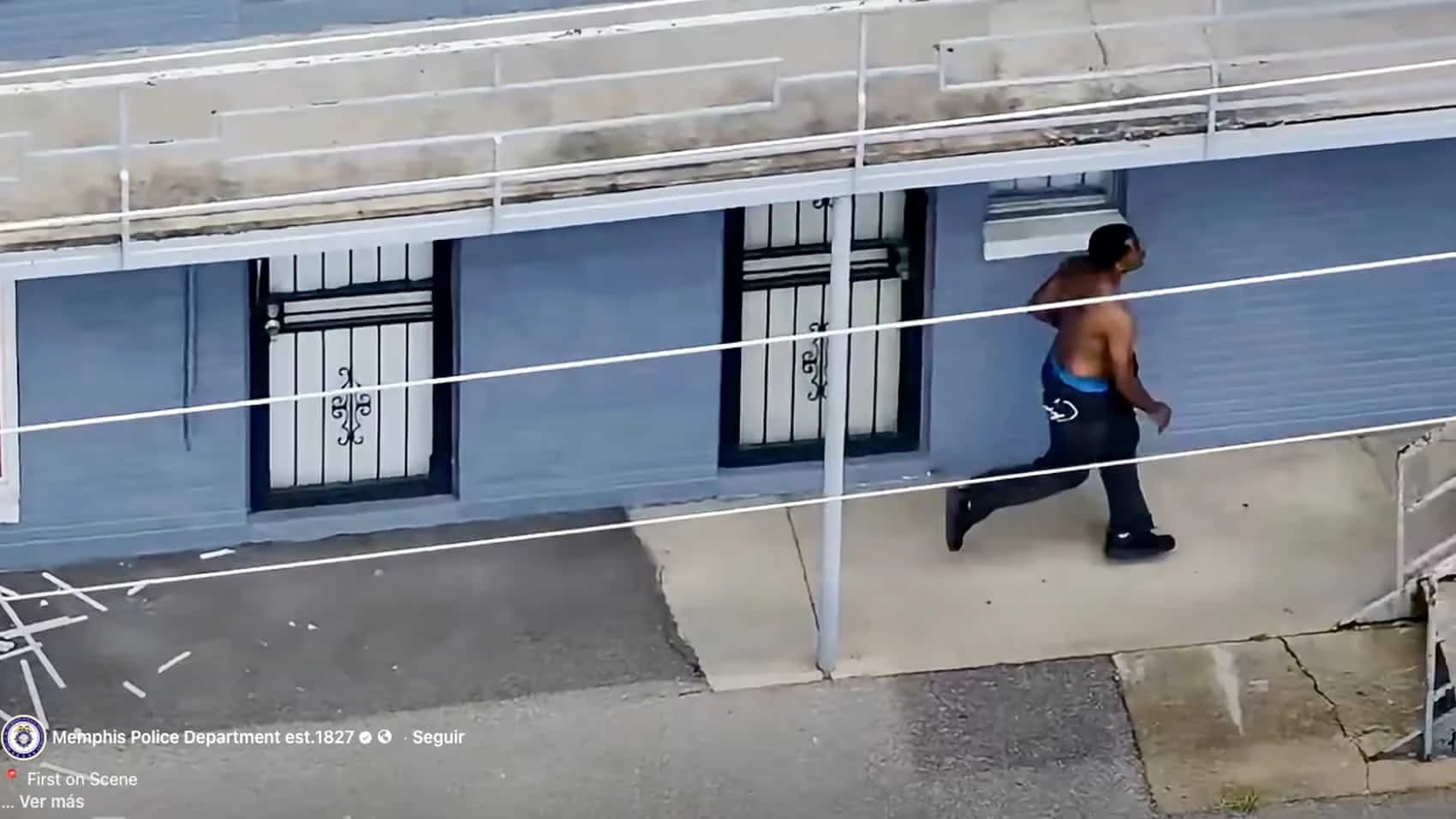
On May 30, Memphis Police received a domestic disturbance call. A drone launched from its dock before patrol officers could arrive, with its onboard camera locking onto 22-year-old suspect Isaiah Butler near a broken window and continuously tracking his movements.
Butler then walked to a black Audi and got in. The drone captured facial imagery and recorded the license plate before the vehicle pulled away, giving responding officers an immediate vehicle description and plate number instead of arriving at a scene with no leads. Butler was ultimately arrested on hit-and-run and drug-related charges.
Deputy Chief Andrew Brown, who oversees the department's technology division, said bluntly: "Without the drone, we probably wouldn't have gotten the vehicle information at all." He called the real-time vehicle data a "critical element" in cracking the case.
Three Brands, One Fleet
The truly noteworthy detail is in the background — this police drone fleet simultaneously operates products from three different manufacturers, an extreme rarity among U.S. law enforcement agencies.
Skydio X10
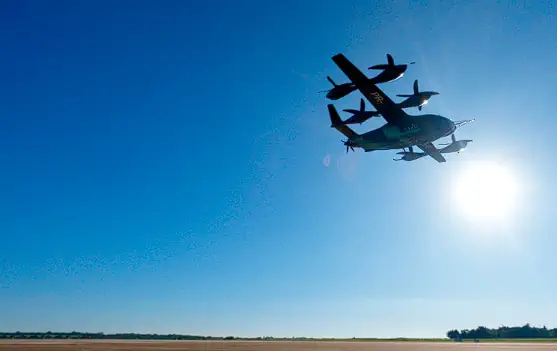
The American-made Skydio X10 serves as the fleet's workhorse, launching autonomously from a fixed dock. It offers up to 40 minutes of flight time, a top speed of 45 mph (72 km/h), and carries a Teledyne FLIR Boson+ thermal core (640×512 resolution). While Skydio officially claims the Dock for X10 can launch in as little as 20 seconds, Memphis Police report getting airborne within two minutes of receiving a call.
DJI Matrice 30
The fleet also includes a DJI Matrice 30, almost certainly the 30T variant with a thermal camera. It delivers 41 minutes of flight time, a 48-megapixel zoom camera (5x to 16x optical zoom), a 640×512 radiometric thermal sensor, and a 1,200-meter laser rangefinder. With an IP55 dust and water resistance rating, it is a go-to platform for many law enforcement agencies.
Parrot Thermal Drone
A Parrot thermal drone is also part of the fleet, believed to be the ANAFI USA. Manufactured domestically by Parrot through NEOTech, it is NDAA- and TAA-compliant and Blue sUAS-certified, making it a common fixture in U.S. public safety inventories. It features a FLIR Boson thermal sensor, dual 32x zoom cameras, and approximately 32 minutes of flight time per battery.
DJI Mini 5 Pro
Perhaps most surprising is a DJI Mini 5 Pro — a sub-250-gram consumer drone available at retail, now sitting alongside professional equipment costing ten times as much in a police equipment lineup. It is the lightest tool in the fleet and the fastest to get airborne for quick reconnaissance.
Why Three Brands at Once?
The four-drone, three-brand configuration is no accident. It reflects a pragmatic decision to pick the best tool for each mission profile.
Skydio provides American-made autonomous flight capabilities and an automated dock — the ideal answer when city council members ask about supply chain security. Parrot, with a platform rooted in U.S. Army scout designs, meets the need for a domestically produced thermal option. Both models comply with the procurement regulations that have made DJI a political target.
Yet Memphis uses DJI products anyway. The Matrice 30 and Mini 5 Pro are in the fleet because DJI still manufactures the best drones in their respective price brackets — something frontline law enforcement agencies know well. Bans on DJI have always been political rather than technical, and this fleet's composition puts that open secret in plain sight.
Program Performance Data
Memphis PD's Drone as First Responder (DFR) program officially launched on May 1 this year, though the department has used drones since 2017. The automated dock deployment system is the newest addition.
In its first month, the program logged over 100 flights covering nearly 24 calls for service, with the department estimating an average time savings of approximately 45 minutes per deployment. Subsequent reports pushed the total flight count past 180. Currently, 10 officers directly operate the dock system, and the department has 20 certified pilots in total.
Deputy Chief Brown also clearly defined usage boundaries: drones launch only in response to calls for service or during large-scale events, and they do not record audio — a critical design choice for passing privacy reviews.
Industry Takeaways
The Memphis case reveals the ground truth of the U.S. drone industry. Political pressure demands American-made airframes, but the real work requires drones that can capture critical imagery, launch autonomously from a dock, fit in a vest pocket, or read thermal signatures through tree cover. Memphis chose not to pick sides, deploying all three brands together.
It is worth noting that the "45 minutes saved per deployment" figure is the department's own estimate and has not been independently audited. Additionally, a domestic disturbance that leads to drug charges is fundamentally different from a drone preventing a violent crime.
But as a fleet, Skydio, Parrot, and DJI operating under the same program and executing the same missions may be the most telling snapshot of the industry's real state of play this year — the flag on the airframe matters far less than the mission completed in the air.
原文來源: 查看原文
FAQ
Reviewed and published by the LAETimes editorial desk ·