Spanish Navy Completes Hornet Block 1 Interceptor Drone Test Aboard Frigate SPS Santa María
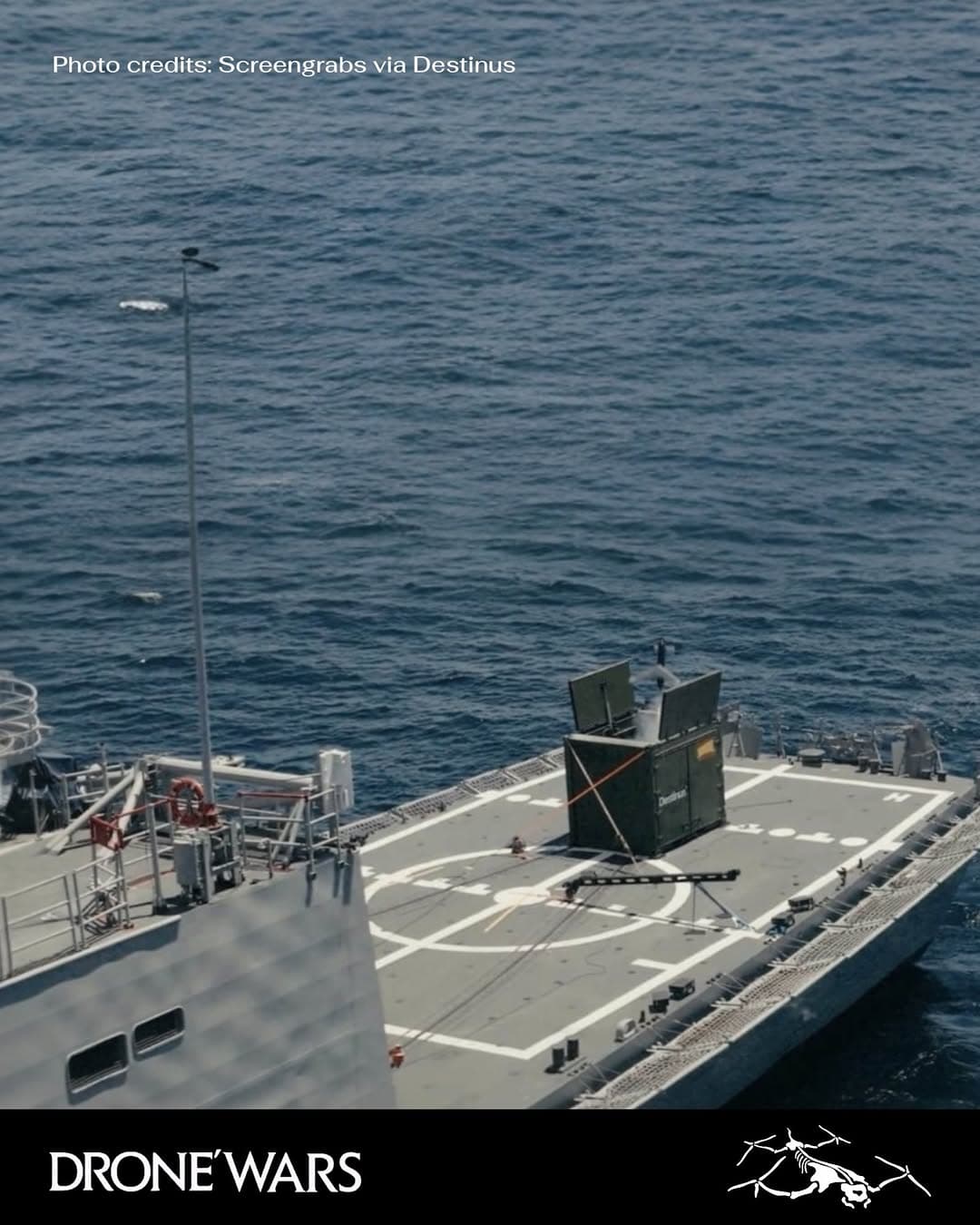
The Spanish Navy has successfully tested the Hornet Block 1 interceptor drone aboard frigate SPS Santa María (F-81) using a containerized launcher installed on the flight deck. The test validated a counter-UAS air defense capability requiring no structural modifications to the vessel. The Hornet Block 1 features a range exceeding 75 km, a 1.5 kg warhead, and combines radar mid-course guidance with an autonomous electro-optical/infrared terminal seeker.
Highlights
- The Spanish Navy successfully tested the Hornet Block 1 interceptor drone aboard frigate SPS Santa María (F-81) using a containerized launcher on the flight deck, requiring zero structural modifications to the ship.
- The Hornet Block 1 has a maximum range exceeding 75 km and carries a 1.5 kg warhead, targeting subsonic aerial threats including small drones and UAV swarms.
- The system uses a dual-mode guidance architecture: radar mid-course guidance combined with an autonomous electro-optical/infrared (EO/IR) terminal seeker for final intercept.
- The containerized deployment concept significantly lowers the upgrade threshold for existing vessels, and is expected to attract attention from other NATO member navies amid rising drone swarm threats.
According to a report by Naval News, the Spanish Navy has conducted a successful test launch of the Hornet Block 1 interceptor drone aboard frigate SPS Santa María (hull number F-81), as part of a demonstration program for containerized shipborne air defense systems.
Containerized Launcher Requires No Structural Modifications
For this test, the Hornet Block 1 launch system was installed in containerized form on the frigate's flight deck, successfully validating the integration of a counter-UAS air defense capability without any modifications to the warship's core structure. This flexible deployment concept significantly lowers the threshold and cost for upgrading existing vessels.
Hornet Block 1 System Specifications
The Hornet Block 1 is an interceptor drone designed to engage subsonic aerial threats, with primary targets including small drones and coordinated UAV swarms. The guidance system uses a dual-mode design:
- Mid-course guidance: Radar-guided mid-course corrections
- Terminal guidance: Autonomous electro-optical (EO)/infrared (IR) seeker for independent target tracking during the final intercept phase
According to manufacturer-published technical data, the system's key specifications are as follows:
| Specification | Data |
|---|---|
| Maximum Range | Over 75 km |
| Warhead Weight | 1.5 kg |
| Target Types | Subsonic aerial threats, small drones, UAV swarms |
Modular Air Defense Capability Draws NATO Attention
As drone swarm attack tactics become increasingly prevalent in modern conflicts, navies worldwide are facing growing demand for rapidly deployable and reliable counter-UAS systems. The Spanish Navy's test demonstrates a viable pathway for equipping active-service vessels with new air defense capabilities at minimal retrofit cost — a development expected to attract significant interest from other NATO member states.
Image source: Screenshot from Destinus video
原文來源: 查看原文
FAQ
Newsletter
Subscribe to our Low-Altitude Industry Newsletter
Daily curated news on low-altitude economy and drone industry, delivered to your inbox.
Reviewed and published by the LAETimes editorial desk ·