Poland Tests StormRider Naval Drone to Bolster NATO Baltic Sea Surveillance
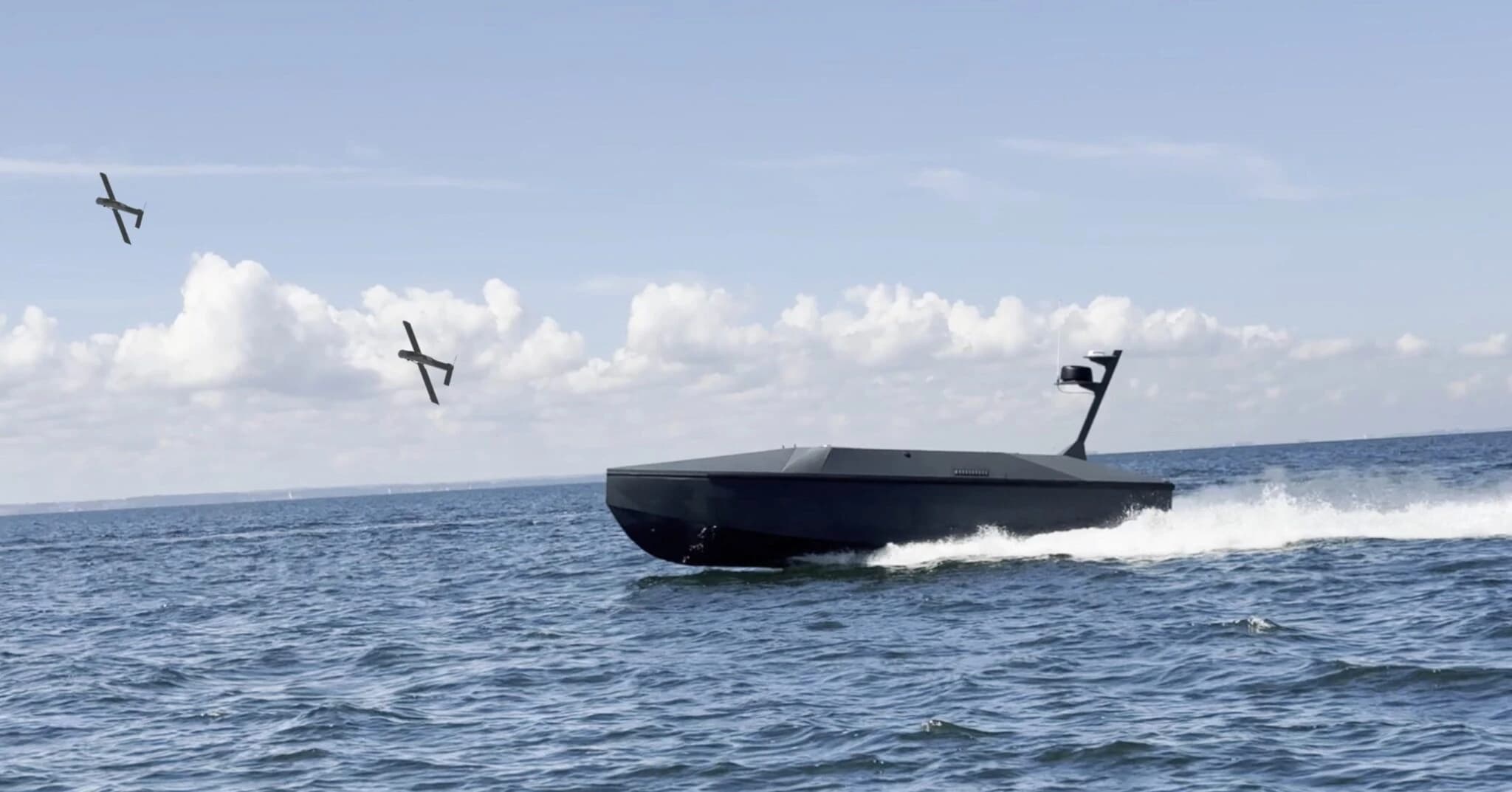
Poland's Navy has successfully evaluated the StormRider naval drone during Baltic Sea exercises, operating alongside a frontline frigate. The drills focused on integrating real-time drone-collected intelligence directly into NATO-compatible networks, enabling faster battlefield awareness for commanders. The positive results are expected to accelerate procurement discussions as Poland deepens its investment in maritime autonomous systems.
Highlights
- Poland's Navy successfully evaluated the StormRider naval drone during Baltic Sea exercises, operating it alongside a frontline frigate.
- The exercises tested real-time integration of drone-collected intelligence into NATO-compatible networks, reducing commander decision-making timelines.
- StormRider's successful testing advances Poland's role in strengthening NATO's Baltic Sea maritime surveillance architecture.
- Poland's Ministry of National Defence has not yet announced a formal procurement timeline for the StormRider system.
- Industry observers expect the positive exercise results to accelerate Poland's acquisition procedures for naval unmanned systems.
GDYNIA — Poland is continuing to expand its investment in maritime autonomous technology. The Polish Navy recently completed a successful evaluation of the StormRider naval drone during Baltic Sea exercises, with the system operating in coordination with a frontline frigate and demonstrating significant integration potential.
Exercise Highlights: Real-Time Intelligence Integration
The central objective of the exercises was to test the ability to feed real-time intelligence gathered by the StormRider drone directly into NATO-compatible communications networks. Through this system, frontline commanders were able to access battlefield information far more rapidly, dramatically reducing decision-making timelines and eliminating reliance on traditional manual intelligence-relay processes.
Strengthening NATO's Maritime Surveillance Architecture
The successful testing of the StormRider marks an important step forward for Poland in reinforcing NATO's maritime surveillance framework. Against a backdrop of continued geopolitical tension in the Baltic Sea region, maritime drones capable of seamless integration with allied systems are emerging as a critical tool for NATO member states seeking to enhance joint operational effectiveness.
The exercises not only demonstrated StormRider's technical capabilities but also validated the practical feasibility of unmanned systems in real-world naval operational scenarios, providing a key evidence base for future procurement and deployment decisions.
Maritime Autonomy Trend Accelerates
As navies worldwide actively adopt unmanned systems, maritime surveillance density across the Baltic region continues to rise. Poland's latest move aligns with NATO's broader strategy of strengthening its eastern flank defenses, and signals that the country's ambitions in the field of maritime unmanned systems are steadily translating into concrete action.
The exercises focused on integrating drone-collected real-time intelligence directly into NATO-compatible networks, enabling commanders to access information more rapidly.
Poland's Ministry of National Defence has yet to announce a formal procurement timeline for the StormRider system, but industry observers widely expect that the positive outcomes from these exercises will accelerate the advancement of related acquisition procedures.
原文來源: 查看原文
FAQ
Reviewed and published by the LAETimes editorial desk ·