Teledyne FLIR Defense Wins $11.2M U.S. Army Contract for Advanced CBRN Drone Sensor Kits
Teledyne FLIR Defense has been awarded an $11.2 million contract by the U.S. Army's Chemical, Biological, Radiological, and Nuclear Defense Capabilities Program Executive Office (CPE CBRND) to deliver more than 45 advanced CBRN unmanned aircraft system (UAS) sensor kits, enhancing battlefield detection and force protection capabilities.
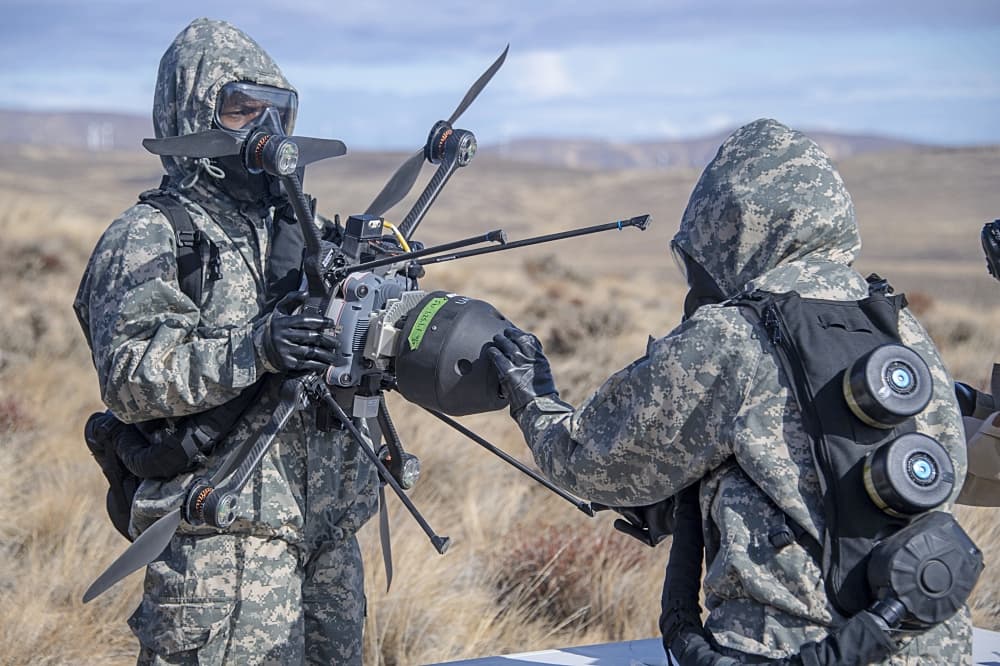
Highlights
- Teledyne FLIR Defense was awarded an $11.2 million contract by the U.S. Army's CPE CBRND office to deliver more than 45 advanced CBRN UAS sensor kits.
- The CBRN drone sensor kits enable remote detection of chemical, biological, radiological, and nuclear threats, significantly reducing personnel exposure to hazardous substances.
- The contract was awarded under the U.S. Army's CBRN program framework, integrating advanced sensing technology directly into unmanned aircraft system platforms.
- The procurement signals that CBRN UAS detection systems have transitioned from technology validation to active operational deployment within the U.S. Army.
- Teledyne FLIR Defense's expertise in infrared imaging and sensing technology underpins its growing role as a leading provider of defense sensing solutions.
Teledyne Technologies Incorporated has announced that its Teledyne FLIR Defense subsidiary has been awarded an $11.2 million contract by the U.S. Army's Chemical, Biological, Radiological, and Nuclear Defense Capabilities Program Executive Office (CPE CBRND) for the delivery of more than 45 advanced CBRN UAS sensor kits.
Contract Details
The kits were developed under the U.S. Army's CBRN program framework and integrate advanced sensing technology into drone platforms. The systems are designed to enhance troops' ability to detect and receive early warning of chemical, biological, radiological, and nuclear threats in contested environments.
Strategic Significance of CBRN Drone Kits
CBRN threat detection has long been a high-priority domain for militaries around the world. Traditionally, conducting such detection missions required personnel to enter hazardous areas, exposing them to significant health and safety risks. By integrating advanced CBRN sensors into UAS platforms, forces can conduct remote detection from a safe standoff distance, dramatically reducing personnel exposure to harmful substances.
Teledyne FLIR Defense brings deep expertise in infrared imaging and sensing technology to this contract, further cementing its position as a leader in U.S. defense sensing solutions.
Market Outlook
As the global security environment grows increasingly complex, demand for military drones equipped with specialized sensors continues to rise. This U.S. Army procurement signals that CBRN drone detection systems have moved beyond the technology demonstration phase into active deployment, and such systems may become a standard part of military force structure in the future.
原文來源: 查看原文
FAQ
Reviewed and published by the LAETimes editorial desk ·