Tornyol's 40-gram Micro Drone Hunts Mosquitoes by Sound Using Ultrasonic Sonar
Turkish startup Tornyol has developed a 40-gram autonomous micro drone capable of detecting and eliminating mosquitoes in mid-air using ultrasonic sonar to identify the insects' distinctive wingbeat frequencies. The company has successfully completed its first air-to-air insect kill test, with potential future applications in public health and mosquito-borne disease control.
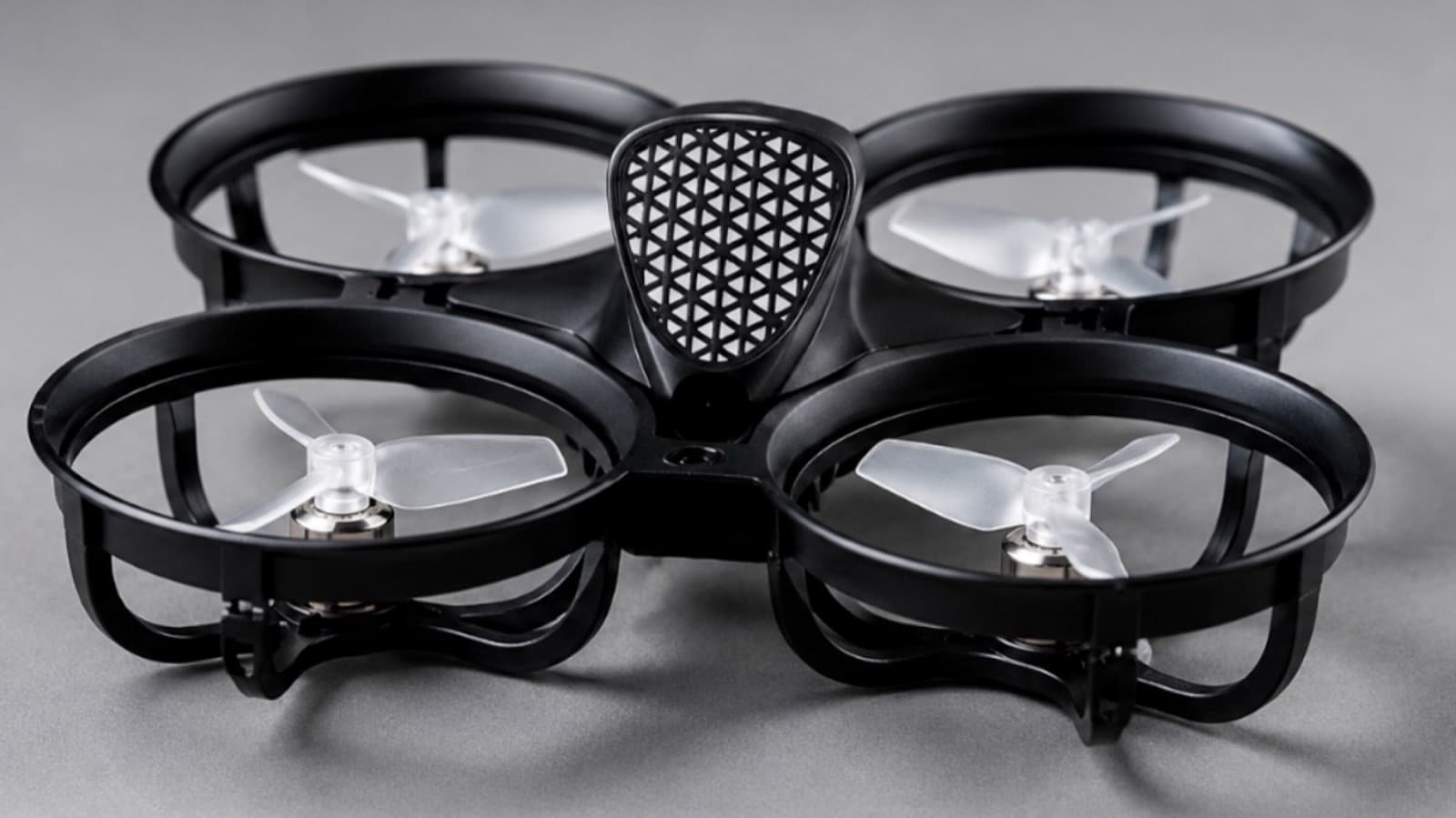
Highlights
- Turkish startup Tornyol has successfully completed the world's first air-to-air insect kill test using a 40-gram autonomous micro drone.
- The drone identifies mosquitoes by detecting their wingbeat frequency of approximately 400–600 Hz via ultrasonic sonar, with no visual sensors required.
- At just 40 grams, the ultra-lightweight drone can operate in confined indoor environments and near buildings where mosquitoes are active.
- Tornyol's technology is positioned as a pesticide-free alternative for controlling mosquito-borne diseases such as dengue fever and malaria in tropical regions.
- The system remains in the R&D and testing phase, but the successful proof-of-concept lays the groundwork for future mass production and field deployment.
Tornyol's 40-gram Micro Drone: Hunting Mosquitoes Mid-Air with Ultrasonic Sonar
Turkish startup Tornyol has announced that its autonomous 40-gram micro drone has successfully completed its first "air-to-air insect kill" test. The company continues to develop its capability to detect and eliminate mosquitoes by identifying their wingbeat signatures using ultrasonic sonar.
Sound-Based Detection — No Vision Required
The core technology behind this drone relies on ultrasonic sonar to detect and distinguish the unique wingbeat frequencies produced by mosquitoes in flight. This allows the drone to lock onto and track target insects mid-air without relying on visual sensors.
Different insect species produce distinct wingbeat frequencies. Mosquitoes typically beat their wings at approximately 400 to 600 Hz, and Tornyol's system uses this acoustic signature as its primary identification method to enable precise tracking.
An Autonomous Micro Drone Weighing Just 40 Grams
On the hardware side, the drone weighs a mere 40 grams, placing it firmly in the ultra-lightweight autonomous aerial vehicle category. The lightweight design helps extend flight endurance and allows the drone to operate nimbly in confined spaces such as indoors or near buildings — environments that closely match mosquitoes' natural habitats.
Application Potential: A New Tool for Public Health
Tornyol says the technology could be applied to mosquito control, particularly in tropical regions or areas where mosquito-borne diseases such as dengue fever and malaria are prevalent. It offers a physical eradication method that requires no pesticide spraying. Compared to conventional chemical mosquito control, autonomous drones of this kind have the potential to be more targeted and environmentally friendly.
The technology is still in the development and testing phase, but the successful validation of air-to-air insect interception marks an important milestone for future mass production and real-world deployment.
原文來源: 查看原文
FAQ
Reviewed and published by the LAETimes editorial desk ·


