NATO's MQ-4C Triton Acquisition: Three Benefits, Two Concerns
Researchers Travis Sharp and Ryan Kaufman from the Center for Strategic and Budgetary Assessments (CSBA) have published a detailed policy analysis of NATO's decision to procure the high-cost, U.S.-made MQ-4C Triton HALE drone, weighing the strategic benefits against financial and supply-chain risks for the alliance.
Highlights
- CSBA researchers Travis Sharp and Ryan Kaufman published a policy analysis on NATO's decision to procure the Northrop Grumman MQ-4C Triton HALE drone.
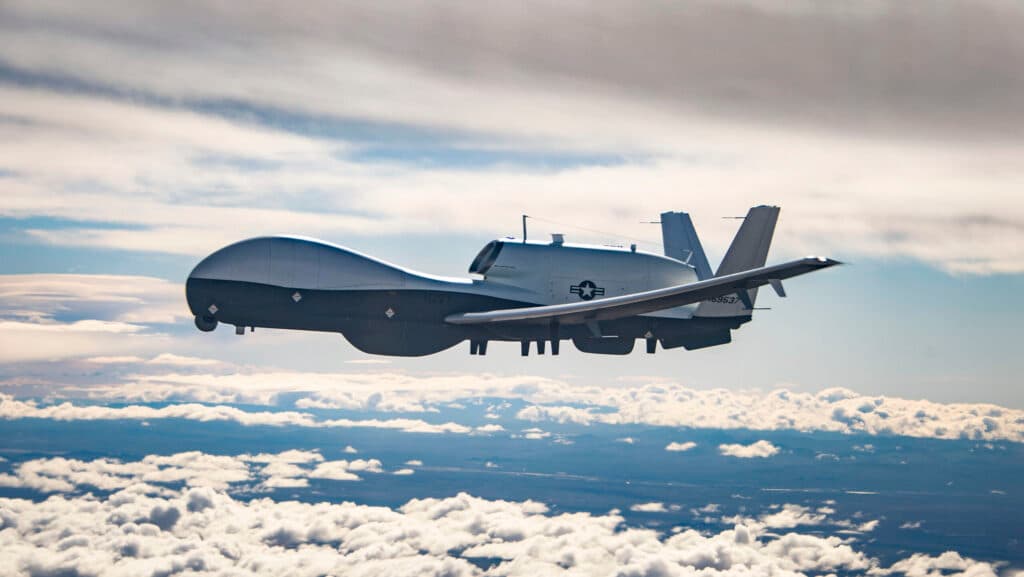
- The MQ-4C Triton carries a unit cost in the hundreds of millions of dollars and is designed for high-altitude, broad-area maritime surveillance.
- The Triton acquisition is expected to close NATO's maritime ISR gap in the Atlantic and Arctic, where Russian naval activity has been increasing.
- CSBA warns that high sustainment costs could strain defence budgets of smaller NATO members and crowd out other critical investments.
- Single-source dependency on U.S. supply chains for parts, support, and upgrades poses a risk to NATO fleet readiness if political or trade relations shift.
Travis Sharp and Ryan Kaufman, researchers at the Center for Strategic and Budgetary Assessments (CSBA), have released an in-depth policy analysis examining NATO's decision to procure the high-priced, U.S.-manufactured MQ-4C Triton unmanned aircraft system.
Background
Developed by Northrop Grumman, the MQ-4C Triton is a large, High-Altitude Long-Endurance (HALE) unmanned reconnaissance aircraft designed for broad-area maritime surveillance. With a unit cost running into the hundreds of millions of dollars, it is one of the most advanced drone systems currently under evaluation for introduction into the NATO inventory.
Three Key Benefits
Sharp and Kaufman identify the following positive dimensions of NATO's procurement decision:
- Enhanced ISR Capability: The Triton's exceptional endurance and wide-area sensor suite would significantly extend NATO's maritime surveillance coverage over the Atlantic Ocean and Arctic regions.
- Deeper Transatlantic Defence Cooperation: Procuring a U.S.-built system strengthens interoperability between NATO member states and the United States, reinforcing the transatlantic defence relationship.
- Closing a Critical Capability Gap: As Russian naval activity continues to intensify, NATO urgently needs persistent maritime domain awareness. The introduction of the Triton would directly address this strategic shortfall.
Two Key Concerns
The analysts also raise two significant areas of concern:
- High Acquisition and Sustainment Costs: The procurement and long-term logistics costs associated with the Triton system are substantial. For NATO members with constrained defence budgets, this could place a heavy financial burden on national treasuries and crowd out investment in other critical capability areas.
- Deep Dependency on the U.S. Supply Chain: Acquiring a single-source, high-value American system means NATO would be heavily reliant on the United States for spare parts, technical support, and upgrade pathways. Any shift in political or trade relations could jeopardise system availability and operational continuity.
Conclusion
Sharp and Kaufman conclude that NATO's decision to acquire the Triton is, on balance, strategically sound. However, they urge member states to carefully assess the long-term financial sustainability of the programme and to actively explore cost-sharing arrangements and technology transfer opportunities. Without such measures, this investment risks becoming a disproportionate burden on a handful of member nations rather than a genuine enhancement of collective defence capability.
原文來源: 查看原文
FAQ
Reviewed and published by the LAETimes editorial desk ·