UK Scraps Type 83 Destroyer Plans in Favour of Drone-Command 'Common Combat Vessels'
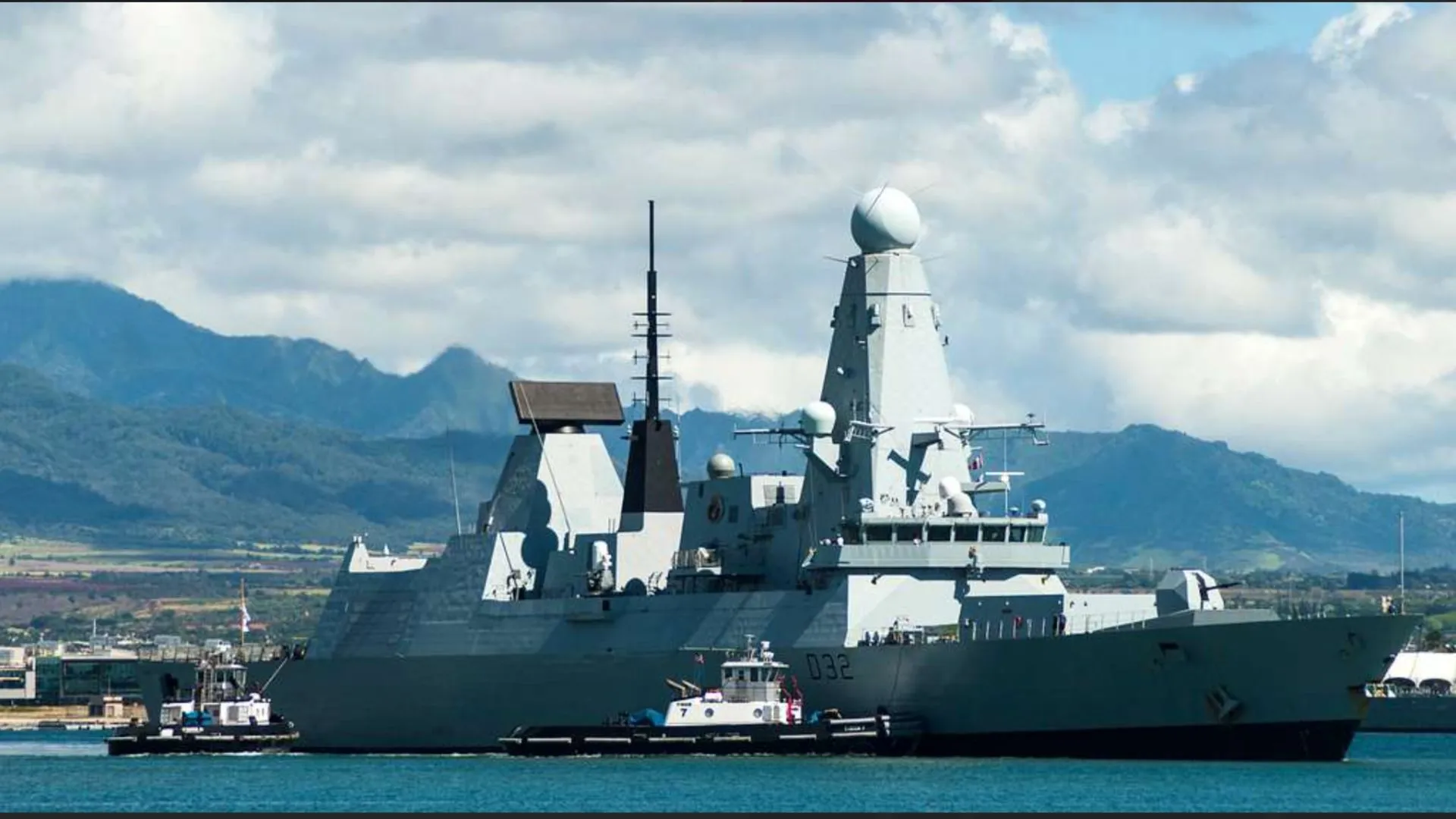
The Royal Navy is abandoning its Type 83 destroyer programme, instead procuring at least six Common Combat Vessels (CCVs) to serve as command hubs for fleets of aerial, surface, and underwater autonomous drones. Set to enter service in the early 2030s, the CCVs reflect a fundamental shift toward distributed, autonomous maritime warfare and will be built in the UK.
Highlights
- The UK Ministry of Defence is procuring at least six Common Combat Vessels (CCVs) to replace the cancelled Type 83 destroyer programme, with service entry planned for the early 2030s.
- CCVs will serve as command-and-control hubs for autonomous aerial, surface, and underwater drone platforms rather than acting as conventional missile destroyers.
- Four autonomous platform types — Type 91, Type 92, Type 93, and Type 94 — are planned to operate alongside the CCVs as part of the Royal Navy's Hybrid Navy concept.
- Defence Minister Dan Jarvis confirmed the vessels will be built in the UK to support domestic defence industry and address growing maritime threats.
- The strategic shift supports NATO-focused initiatives including Atlantic Bastion, Atlantic Shield, and Atlantic Strike, aimed at protecting North Atlantic and High North interests.
The Royal Navy is set to make a major strategic pivot — abandoning plans for a next-generation destroyer in favour of a new class of hybrid warship designed to command large fleets of autonomous drones.
According to the UK's forthcoming Defence Investment Plan, the Ministry of Defence will procure at least six Common Combat Vessels (CCVs) to replace the previously planned Type 83 destroyer. Expected to enter service in the early 2030s, the CCVs will coordinate unmanned systems operating across air, surface, and underwater domains — a move that underscores Britain's growing commitment to distributed, autonomous maritime warfare.
A Strategic Shift Toward the Hybrid Fleet
As reported by Reuters, the Common Combat Vessel will function as a command node for uncrewed aerial, surface, and underwater platforms, rather than serving as a conventional missile destroyer. This marks a significant departure from earlier plans to replace the six Type 45 Daring-class destroyers with a Type 83 successor — a concept that has remained in early design stages.
Rather than concentrating combat power in a small number of heavily armed warships, the UK government says the new vessels will form part of a hybrid fleet in which crewed ships coordinate networks of autonomous systems across multiple domains. Defence Minister Dan Jarvis said the vessels are designed to address "the growing threats we face" and will be built in the United Kingdom to support the domestic defence industry.
Why the Royal Navy Is Changing Course
Recent conflicts have made clear that relatively low-cost drones pose an increasingly significant threat to large, expensive warships. Modern navies are exploring distributed fleet concepts — moving away from full reliance on costly, sensor- and missile-laden destroyers, and instead positioning crewed vessels as command-and-control nodes while autonomous platforms handle surveillance, sensing, strike, and reconnaissance missions.
The MoD says the CCV will extend the Royal Navy's operational reach and improve resilience, while increasing firepower without substantially raising personnel requirements or operating costs.
Designed for Future Autonomous Vessels
The Common Combat Vessel is expected to operate alongside the Royal Navy's future Type 26 City-class and Type 31 Inspiration-class frigates, as well as several planned autonomous platforms. These include:
- Type 91 — an autonomous surface vessel armed with land-attack missiles
- Type 92 — an underwater sensor ship
- Type 93 — an autonomous submarine
- Type 94 — a surface sensor vessel
All of these fall under the UK's broader Hybrid Navy concept, collectively designed to deliver persistent surveillance, enhanced anti-submarine warfare (ASW) capability, strengthened air defence, and expanded maritime situational awareness in contested regions.
Addressing New Security Challenges
The programme also supports broader UK maritime initiatives — including Atlantic Bastion, Atlantic Shield, and Atlantic Strike — focused on strengthening NATO's presence in the North Atlantic and High North, as well as protecting critical underwater infrastructure.
While technical specifications for the CCV remain limited in the public domain, the decision signals a fundamental change in how the Royal Navy intends to build and operate its future surface fleet.
Rather than replacing the Type 45 with another large destroyer, Britain is moving toward a distributed force structure: fewer crewed ships, each coordinating a far larger network of autonomous platforms.
原文來源: 查看原文
FAQ
Reviewed and published by the LAETimes editorial desk ·