UC San Diego Researchers Turn Old Smartphones into Low-Cost Data Centers: Single-Core Performance Rivals Multi-Core Servers
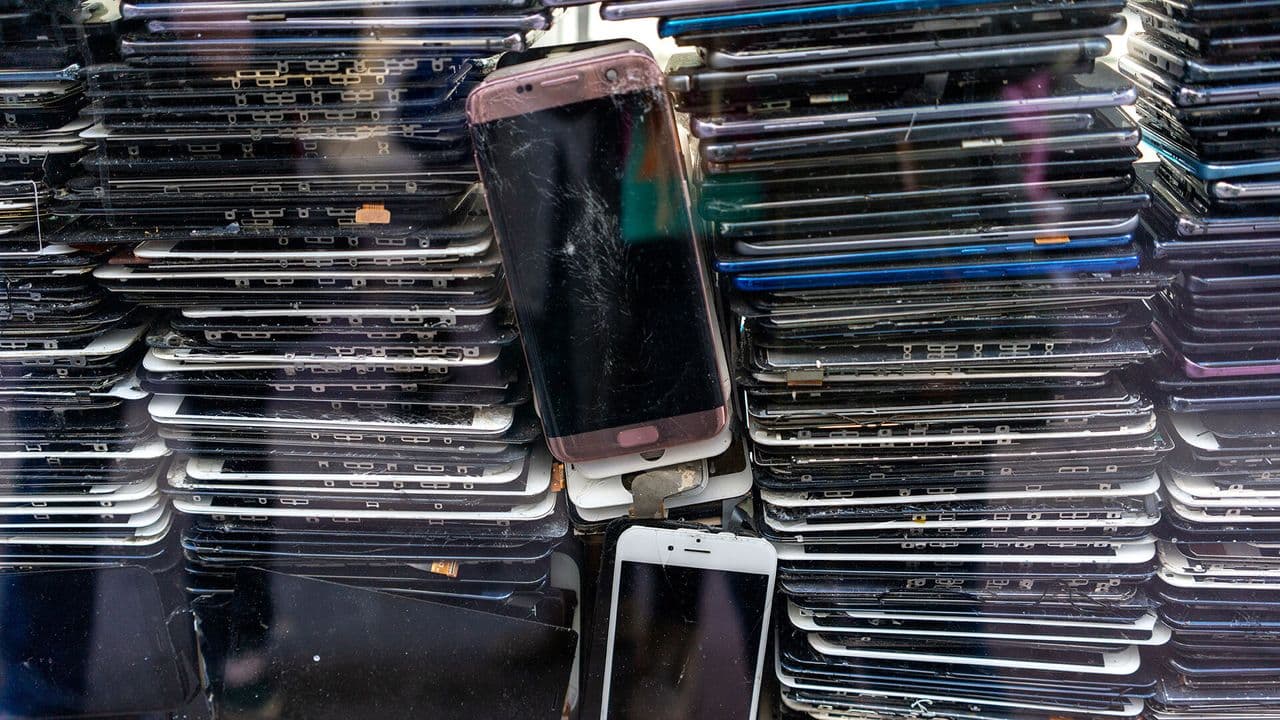
Researchers at UC San Diego have proposed clustering 2023-era smartphones into local computing platforms to replace remote cloud servers. The team found that modern smartphone processors already outperform comparable multi-core servers in single-core performance, opening potential applications in drones, edge computing, and IoT while reducing e-waste and energy consumption.
Highlights
- UC San Diego researchers found that 2023-era smartphone processors already outperform comparable multi-core servers in single-core performance.
- Clustering idle or discarded smartphones can create a local computing platform that replaces remote cloud servers, reducing network dependency.
- Drone operators could use low-cost smartphone clusters as ground or onboard computing nodes for real-time AI inference and image analysis.
- The approach is expected to generate less e-waste and consume lower energy than traditional data centers.
- The research is currently at the proof-of-concept stage, with thermal management, reliability, and software integration identified as key challenges.
UC San Diego Researchers Propose Repurposing Old Smartphones as Low-Cost Data Centers
Researchers at the University of California, San Diego (UC San Diego) have put forward an innovative concept: clustering smartphones manufactured in 2023—devices most users would already consider outdated—into a server platform capable of handling local computing workloads, thereby eliminating the need for traditional remote cloud infrastructure.
Smartphone Processors Match or Beat Server-Grade CPUs
The research team found that the processors found in modern smartphones already surpass comparable multi-core servers in single-core performance. This means that a cluster of discarded or idle handsets could, in theory, form a practical computing platform capable of running applications locally—without sending data to a remote data center.
Wide-Ranging Applications, Including Drones and Edge Computing
The research direction carries significant implications for drones, edge computing, and the Internet of Things (IoT). In drone applications specifically, using low-cost smartphone clusters as ground-based or onboard computing nodes could dramatically reduce the hardware costs of deploying real-time image analysis, AI inference, or mission-scheduling systems. It would also reduce dependence on network connectivity and improve operational resilience in offline or low-connectivity environments.
Reducing Carbon Emissions and Electronic Waste
Beyond cost savings, the study also has sustainability implications. By extending the useful life of smartphones and repurposing them as productive computing resources, the approach could help reduce electronic waste (e-waste). Smartphone clusters are also expected to consume significantly less power than conventional data centers.
Next Steps for the Research Team
The project is currently at the proof-of-concept stage. The research team plans to further assess challenges related to reliability, thermal management, and software ecosystem integration before determining the feasibility of commercial deployment or large-scale rollout.
The findings offer a promising alternative for resource-constrained organizations and remote communities, and serve as a reminder that technological innovation often finds new possibilities in existing resources.
原文來源: 查看原文
FAQ
Reviewed and published by the LAETimes editorial desk ·