U.S. Marines Deploy Shield AI V-BAT Drone from USS Portland for ISR Missions in South China Sea
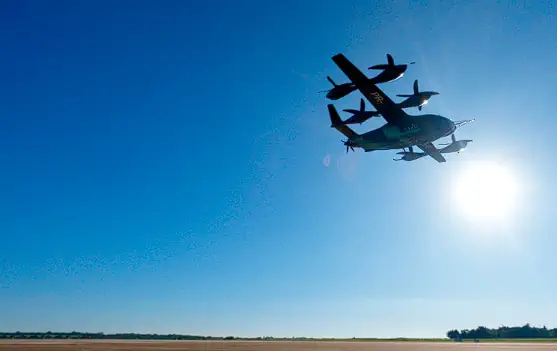
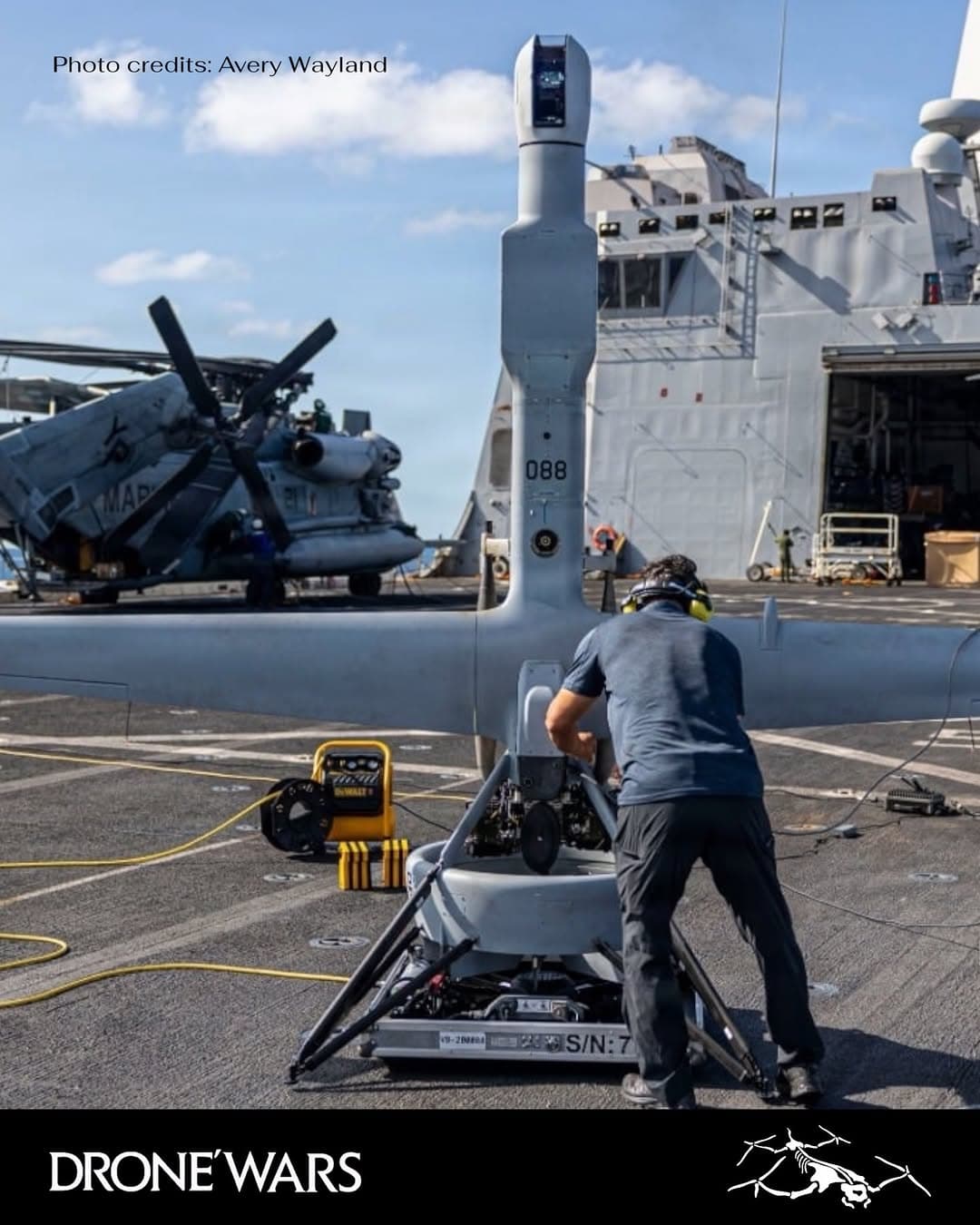
U.S. Marines operating with the Boxer Amphibious Ready Group successfully deployed the Shield AI V-BAT VTOL fixed-wing drone from USS Portland (LPD-27) in the South China Sea. The V-BAT, measuring approximately 3 metres in length with a 2.7-metre wingspan, can sustain flight for up to 8 hours without requiring a runway or catapult system, significantly extending the vessel's over-the-horizon maritime surveillance capability.
Highlights
- U.S. Marines deployed the Shield AI V-BAT drone from USS Portland (LPD-27) during South China Sea operations as part of the Boxer Amphibious Ready Group and 11th MEU.
- The V-BAT is a VTOL fixed-wing UAV measuring approximately 3 metres in length with a 2.7-metre wingspan and up to 8 hours of flight endurance.
- The drone requires no runway or catapult system, enabling launch and recovery from confined shipboard deck space with minimal ground support equipment.
- V-BAT can carry EO/IR sensors, synthetic aperture radar (SAR), and electronic warfare payloads for reconnaissance and maritime surveillance beyond visual range.
- The deployment validated ship-based V-BAT operations and demonstrated over-the-horizon ISR capability without the use of manned aircraft or dedicated airfield infrastructure.
U.S. Marines Deploy V-BAT Drone in South China Sea
The United States Marine Corps has successfully deployed the Shield AI V-BAT unmanned aerial system from the amphibious transport dock USS Portland (LPD-27) during operations in the South China Sea.
Footage released by U.S. military officials shows the V-BAT conducting intelligence, surveillance, and reconnaissance (ISR) missions from the ship's flight deck. The operation was conducted as part of the Boxer Amphibious Ready Group and 11th Marine Expeditionary Unit (11th MEU) combined operations.
V-BAT Technical Specifications
The V-BAT is a vertical take-off and landing (VTOL) unmanned aircraft that combines helicopter-style launch and recovery with the endurance characteristics of a fixed-wing platform. Key specifications include:
- Length: Approximately 3 metres (10 ft)
- Wingspan: Approximately 2.7 metres (9 ft)
- Maximum Endurance: Up to 8 hours
- Launch/Recovery Requirements: No runway or catapult system required
Multi-Mission Payload Capability
According to published specifications, the V-BAT is capable of carrying a range of mission payloads, including:
- Electro-optical/Infrared (EO/IR) sensors
- Synthetic Aperture Radar (SAR)
- Electronic warfare systems
These payloads enable the aircraft to perform reconnaissance and maritime surveillance well beyond the visual range of the host vessel.
Advantages of Ship-Based Deployment
One of the V-BAT's core operational advantages is its ability to launch and recover within the confined deck space of a naval vessel, with minimal ground support equipment required.
The Marine Corps stated that this deployment validated the ability to conduct V-BAT launch and recovery operations from amphibious warfare ships while simultaneously executing long-endurance ISR missions across a wide maritime area. During operations from USS Portland in the South China Sea, the drone effectively extended the ship's surveillance range, providing over-the-horizon reconnaissance capability without the need to deploy manned aircraft or rely on dedicated airfield infrastructure.
Photo credit: Avery Wayland / Sources: Defence Blog, U.S. Marine Corps
原文來源: 查看原文
FAQ
Newsletter
Subscribe to our Low-Altitude Industry Newsletter
Daily curated news on low-altitude economy and drone industry, delivered to your inbox.
Reviewed and published by the LAETimes editorial desk ·