Valour Consultancy Report: Global Commercial Drone Fleet to Surpass 5.6 Million by 2050
Market research firm Valour Consultancy forecasts the global commercial drone fleet will exceed 5.6 million units by 2050, according to its newly released report 'The Future of Commercial Drones – 2026'. The report covers delivery, inspection, and agriculture sectors, noting that agriculture and inspection already demonstrate the strongest operational and economic benefits, while large-scale delivery growth remains contingent on BVLOS regulatory reform.
Highlights
- Valour Consultancy forecasts the global commercial drone fleet will surpass 5.6 million units by 2050, covering delivery, inspection, and agriculture sectors.
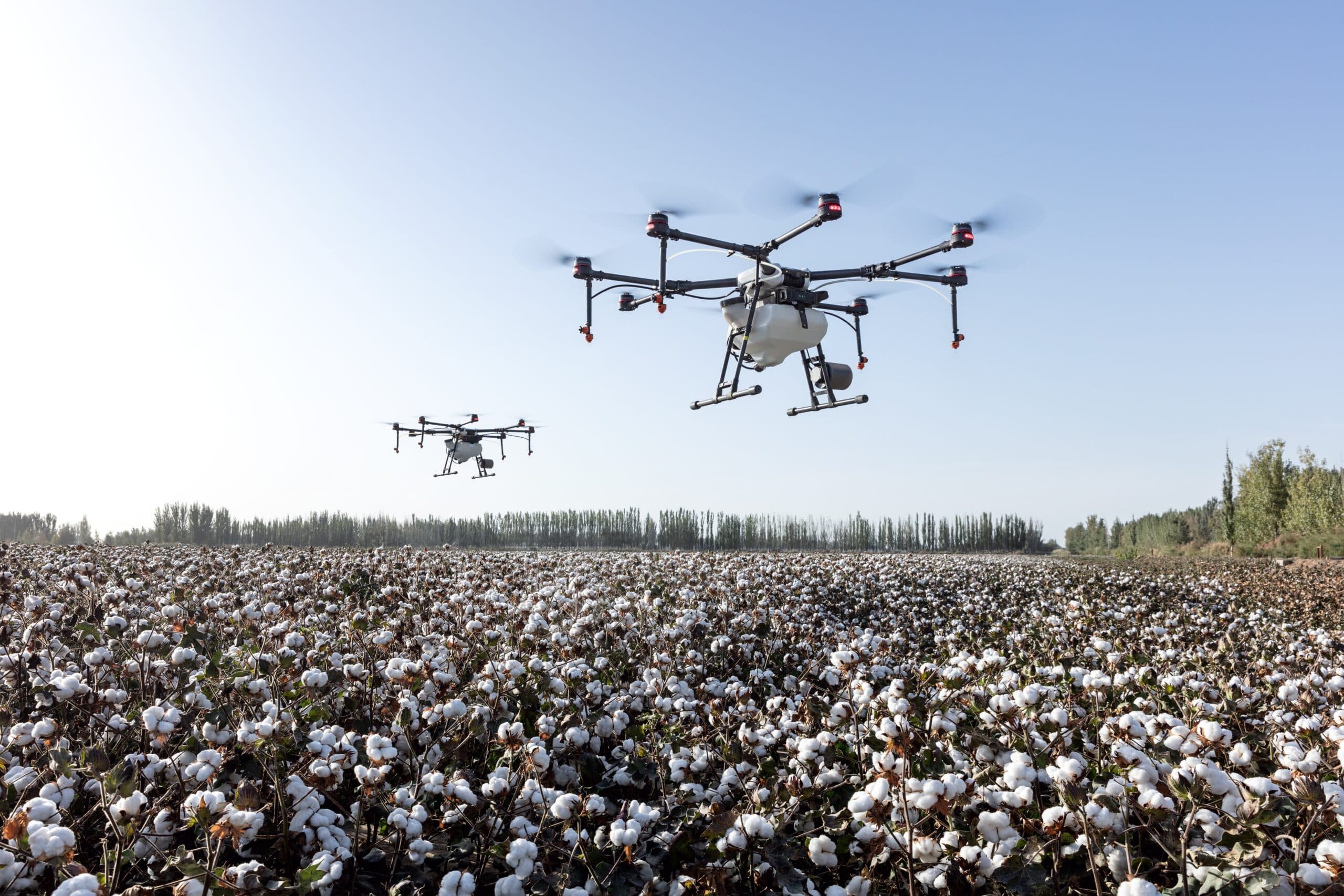
- DJI alone reports an agricultural drone fleet of over 300,000 aircraft, reflecting the relative maturity of the Chinese agricultural drone market.
- The global delivery drone fleet is projected to exceed 500,000 units by 2050, with food delivery expected to be the dominant use case.
- Routine BVLOS regulatory approval is identified as the single most critical factor for scaling commercial drone delivery and linear-asset inspection services.
- The 200-page report draws on input from approximately 30 drone manufacturers, operators, connectivity providers, and airspace management companies.
Global Commercial Drone Fleet to Exceed 5.6 Million by 2050
Market research firm Valour Consultancy has forecast that the global commercial unmanned aircraft system (UAS) fleet will surpass 5.6 million units by 2050, according to its newly published study.
The report, titled The Future of Commercial Drones – 2026, covers three key application sectors — delivery, inspection, and agriculture — and complements the firm's recently released The Future of Advanced Air Mobility report.
Agriculture Market Already Mature; DJI Fleet Tops 300,000
The agricultural drone market is described as relatively mature, particularly in China, where DJI alone reports an agricultural spraying fleet of over 300,000 aircraft.
Report author Summer Staninski said: "The most compelling operational and economic case currently exists in agriculture and inspection."
She elaborated: "Safety is the primary consideration, followed closely by cost reduction and time savings. Drones improve outcomes across all three metrics, enabling agricultural and inspection work to be completed faster, with fewer personnel and at higher quality."
Agricultural and inspection drones typically operate within visual line of sight (VLOS), meaning their adoption is less constrained by the slow rollout of beyond visual line of sight (BVLOS) regulations — a key barrier for delivery operations, where economies of scale often depend on routine BVLOS flights.
Delivery Drone Fleet Projected to Surpass 500,000
Valour projects the global delivery drone fleet will exceed 500,000 units by 2050. Delivery drones offer a viable alternative to ground-based logistics by reducing labour costs, supporting sustainability goals, and reducing reliance on gig-economy workers.
These advantages are most pronounced in the food delivery segment, where hot meals must arrive quickly and consumers are willing to pay a premium. Food delivery is expected to dominate the drone delivery market — especially in suburban areas where road-based delivery is slow and costly, making the case for drone substitution particularly compelling.
For convenience goods and e-commerce, drones are expected to enable ultra-fast delivery for time-sensitive orders, similar to the sub-20-minute delivery model already being trialled by retailers such as Walmart.
However, Staninski cautioned that drones are best suited to solving "I need it right now" problems. For most household goods and mail, waiting a day or two is perfectly acceptable — and the economics of traditional truck delivery remain difficult to beat in those use cases.
Regulatory Reform Remains the Key to Market Scale
Despite strong overall growth projected between 2025 and 2050, Staninski acknowledged that outcomes remain heavily dependent on the removal of regulatory barriers.
"To scale the commercial drone market as a whole, we need regulations that permit routine BVLOS operations," she said. "Until then, it is very difficult for businesses to offer large-scale services — such as residential delivery or inspection of linear assets like power lines."
Nevertheless, as the industry progressively builds standardised approval frameworks for autonomous BVLOS flight, drones are expected to become an indispensable component of global industrial and commercial infrastructure.
About the Report
The Future of Commercial Drones – 2026 is Valour Consultancy's first study of its kind, incorporating input from approximately 30 drone manufacturers and operators, connectivity providers, and airspace management companies.
The report spans more than 200 pages and provides an in-depth analysis of market drivers, barriers, and technology trends. It includes 29 tables of market estimates and forecasts segmented by region and application, alongside optimistic and pessimistic scenario models to reflect a range of possible outcomes.
The report is intended for any organisation or individual with a stake in the commercial drone market — helping vendors sharpen their market positioning and providing investors with a clear basis for capital allocation decisions.
原文來源: 查看原文
FAQ
Reviewed and published by the LAETimes editorial desk ·