Zoox Issues Software Recall After Robotaxi Sensor Confusion in Smoky Conditions
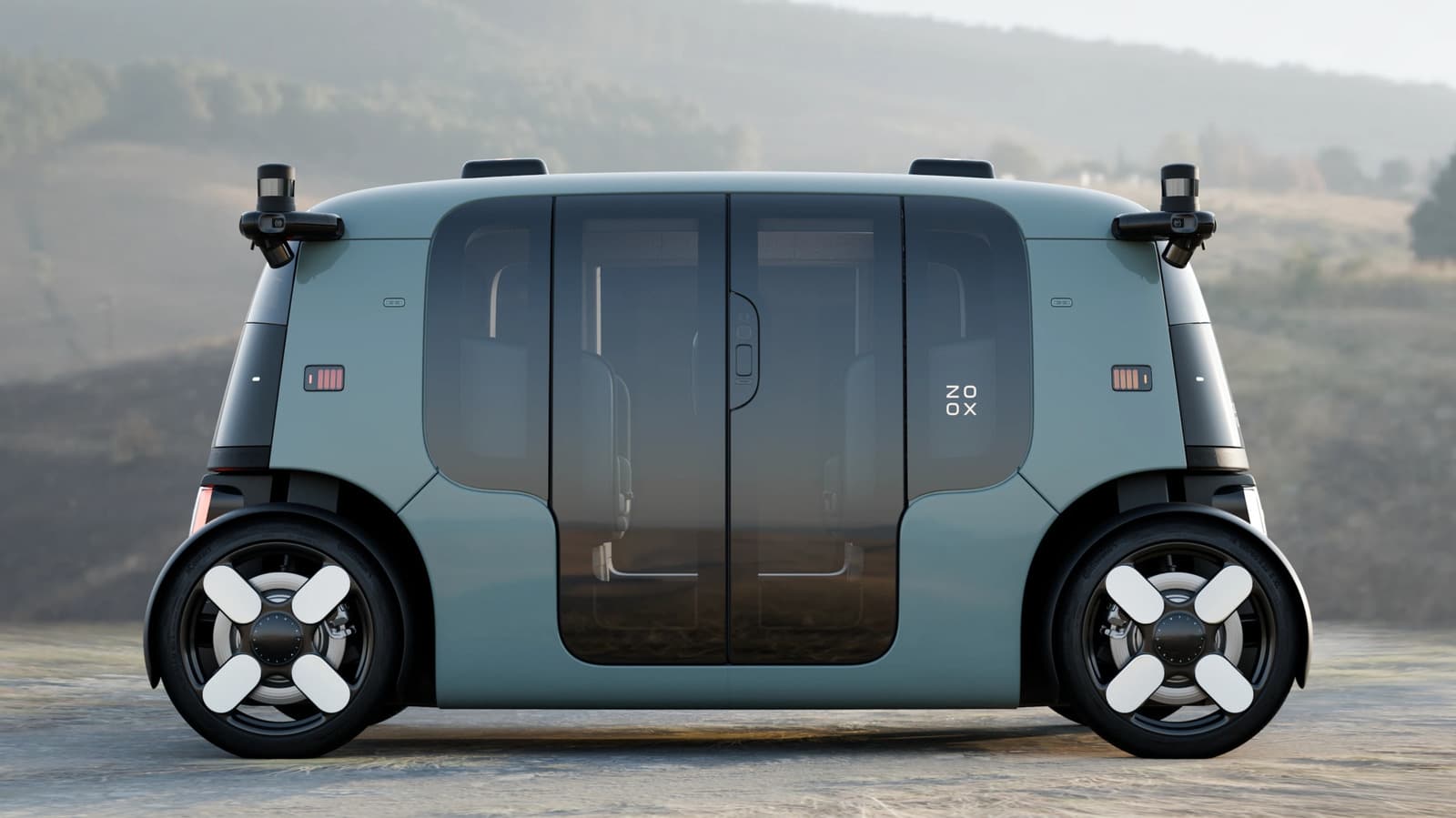
Amazon-owned autonomous vehicle company Zoox has initiated a software recall after its robotaxi fleet was found to experience perception errors in smoky environments, potentially compromising passenger safety. The fix will be deployed via over-the-air (OTA) update. The recall comes as the U.S. National Highway Traffic Safety Administration (NHTSA) urges AV companies to strengthen emergency response capabilities.
Highlights
- Zoox has issued a software recall for its robotaxi fleet after onboard sensors were found to produce perception errors in smoky, low-visibility environments.
- The fix will be deployed via over-the-air (OTA) update, requiring no physical vehicle recall or service visit.
- NHTSA has urged all autonomous vehicle companies to review and strengthen emergency response capabilities, particularly under extreme environmental conditions.
- Smoke can simultaneously impair cameras, LiDAR, and radar sensors, posing a compounded perception challenge for self-driving systems.
- The incident signals intensifying regulatory scrutiny of AV safety as NHTSA tightens oversight across the autonomous vehicle industry.
Amazon-owned autonomous vehicle company Zoox has announced a software recall after its robotaxi fleet was found to exhibit perception errors when operating in smoky conditions — a flaw that could compromise vehicle safety and passenger protection.
NHTSA Calls on Industry to Bolster Emergency Response
The U.S. National Highway Traffic Safety Administration (NHTSA) has recently urged autonomous vehicle operators to review and strengthen how their self-driving systems handle emergency scenarios. Low-visibility conditions such as smoke and dense fog have long been recognized as a significant challenge for autonomous sensing technologies.
A Software-Only Safety Fix
Zoox's recall is classified as a software update, meaning no physical vehicle return is required. The company stated that a corrective software patch will be pushed to affected vehicles via over-the-air (OTA) update, enabling the system to make more accurate judgments under complex environmental conditions.
Broader Safety Challenges for the AV Industry
The incident once again highlights the limitations of autonomous driving technology in extreme or atypical environments. Smoke not only degrades camera-based visual perception but can also interfere with LiDAR and radar sensors, making it difficult for self-driving systems to accurately interpret their surroundings.
As NHTSA continues to tighten oversight of the autonomous vehicle sector, companies will face increasingly rigorous scrutiny over both system safety and regulatory compliance.
原文來源: 查看原文
FAQ
Reviewed and published by the LAETimes editorial desk ·