National Security & Korean Peninsula Briefing: USAF Procures Next-Gen Deep-Strike Drones, Ukraine Launches Massive Drone Attack on Moscow
The U.S. Air Force is acquiring a new generation of deep-strike drones capable of penetrating deep into enemy territory. Ukraine launched one of the largest drone attacks on Moscow since the war began. The Pentagon told Congress it needs $80 billion for Iran-related military costs. Taiwan's multi-domain cognitive warfare challenges also drew significant attention in this June 19, 2026 national security roundup compiled by Arizona State University's Small Wars Journal.

Highlights
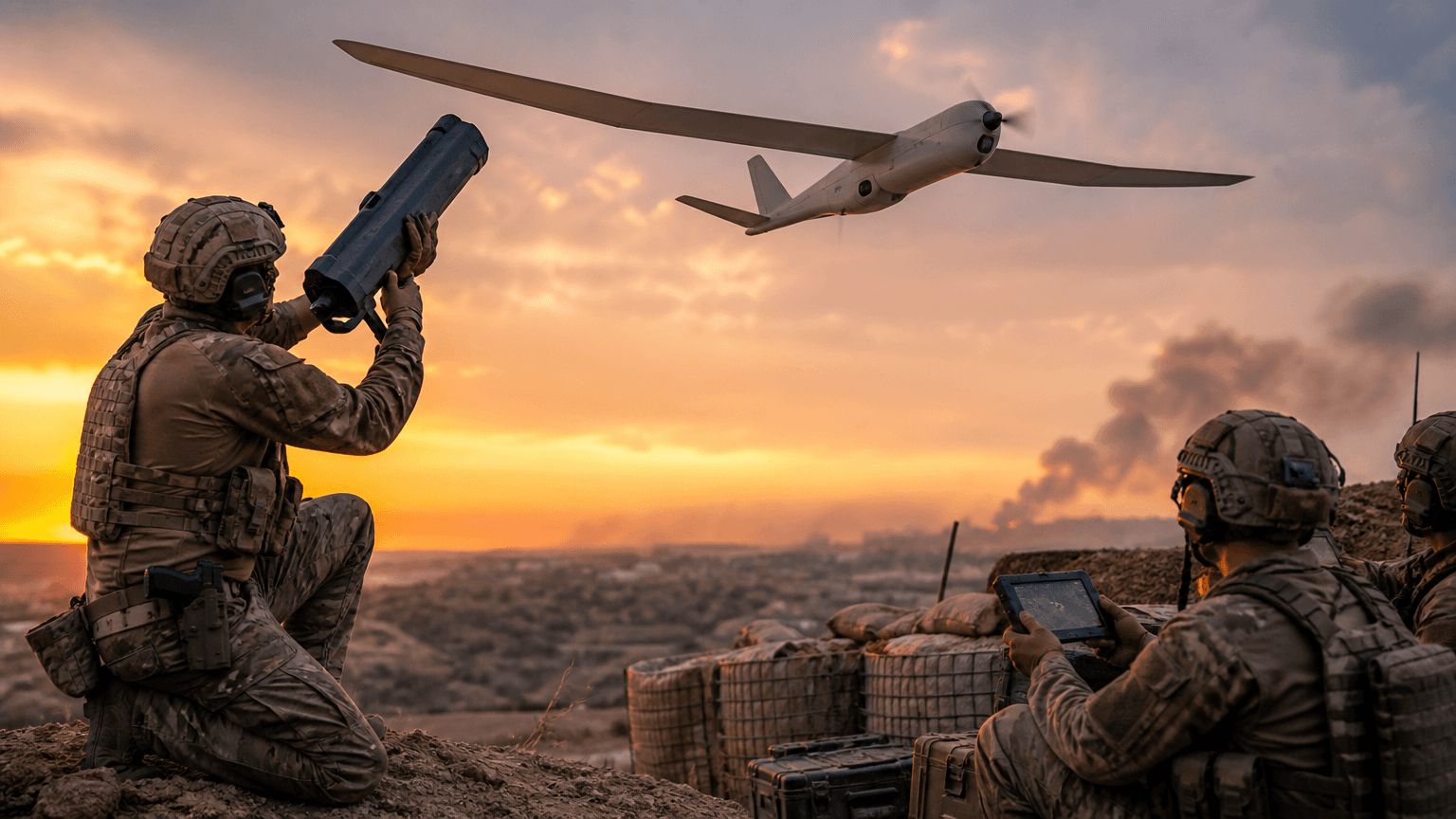
- The U.S. Air Force announced procurement of next-generation deep-strike drones designed to conduct missions far inside enemy territory, signaling a major enhancement of long-range strike capability.
- Ukraine launched one of the largest drone attacks on Moscow since the start of the war, with analysts assessing it as a demonstration of long-range strike flexibility that may pressure Russia diplomatically.
- The Pentagon informed U.S. Congress that at least $80 billion will be needed to cover costs related to the Iran conflict and associated military spending.
- China and North Korea held a summit described as 'historic,' reshaping the regional strategic landscape amid ongoing denuclearization discussions.
- Taiwan's multi-domain cognitive warfare challenges received significant attention from the international strategic community in the June 19, 2026 Small Wars Journal briefing.
National Security & Korean Peninsula Briefing (June 19, 2026)
Compiled by the Small Wars Journal at Arizona State University, covering the most significant national security and Korean Peninsula news and commentary of the day.
National Security Highlights
1. U.S.-Iran Deal and Trump's Decision-Making Rationale
President Trump personally explained his reasoning behind reaching a deal with Iran, with observers closely watching the long-term implications for Middle East stability.
2. Pentagon Tells Congress Iran War and Related Costs Will Require $80 Billion
In an exclusive briefing to lawmakers, the Pentagon disclosed that responding to the Iran conflict and covering related expenses will require at least $80 billion in additional funding, triggering significant congressional scrutiny.
3. U.S. Air Force Acquires Next-Generation Deep-Strike Drones
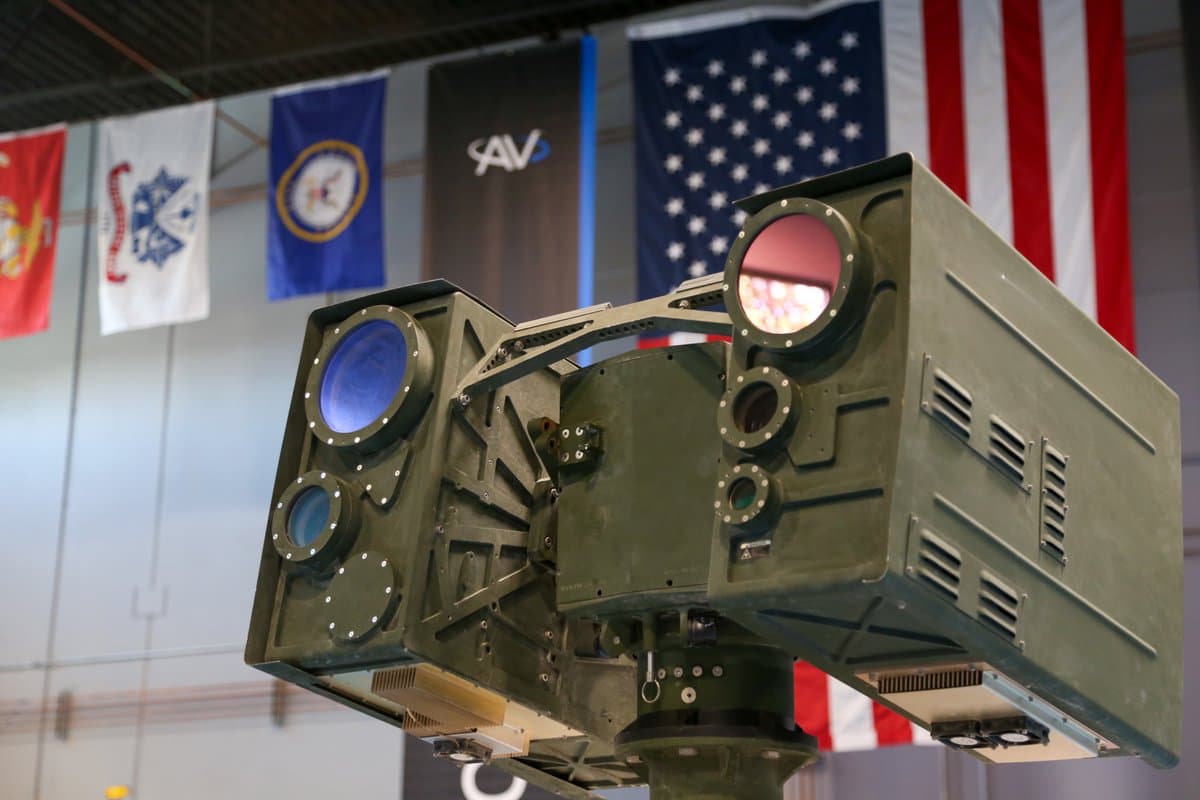
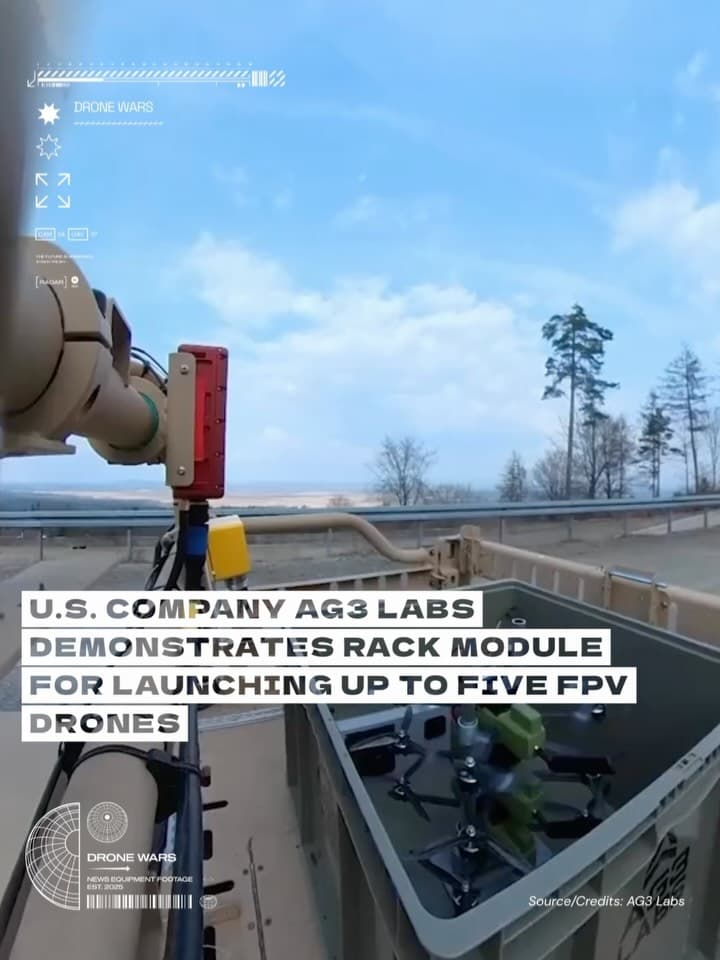
The U.S. Air Force announced the procurement of a new generation of unmanned aerial systems designed to conduct strike missions deep inside enemy territory, representing a major upgrade to U.S. long-range strike capability. Analysts noted the move reflects the military's preparation for future high-intensity conflict scenarios.
4. Trump Emulates China's Sovereign AI Strategy
Reports indicate the Trump administration is drawing on China's sovereign AI development model to advance a U.S. version of an autonomous AI strategy.
5. Ukraine Launches Massive Drone Attack on Moscow
Ukraine executed one of the largest drone strikes on Moscow since the start of the war, a move analysts regard as strategically significant. The attack is seen as demonstrating Ukraine's long-range strike flexibility and may force Russia to reassess its negotiating posture.
6. Ukraine Cuts Russian Supply Lines
Ukraine continued to destroy Russian logistics and supply lines. U.S. military analysts urged Washington to pay close attention to the tactical lessons these operations offer.
7. Taiwan's Multi-Domain Cognitive Warfare
A dedicated analysis explored the cognitive warfare challenges Taiwan faces across multiple operational domains, drawing considerable attention from the international strategic community.
8. Security Threats in Post-Khamenei Iran
Analysts examined emerging security challenges in a post-Khamenei Iran and the implications for U.S. strategy in the region.
9. MC-130 Aircraft Loss Replacement
Lawmakers pushed to replace MC-130 transport aircraft lost during operations against Iran without drawing on emergency supplemental budget funds.
10. Apache Helicopter Shot Down Near Oman
An Apache helicopter was downed near Oman, with analysts warning the incident reflects evolving trends in aerial combat.
Other Notable Issues
- Cognitive domain warfare and small-unit deception tactics
- Global infiltration by CCP-linked "peaceful reunification" organizations
- Poland's invitation for the U.S. to establish a permanent military base
- Concerns over U.S. Air Force HH-60W combat readiness
- Discussions on military accountability
Korean Peninsula Highlights
1. Impact of the U.S.-Iran Deal on the Kim Regime
Analysts assessed how the conclusion of a U.S.-Iran deal could create exploitable openings and bargaining leverage for North Korea's Kim Jong-un.
2. Proposal to Establish a U.S. Northeast Asia Command
Some voices called for the creation of a dedicated U.S. joint command for Northeast Asia to strengthen regional deterrence.
3. South Korea's Lee Administration: Trump Wants to Restart North Korea Dialogue
South Korean President Lee indicated the Trump administration intends to refocus on North Korea and elevate it as a diplomatic priority.
4. Anthropic Opens Seoul Office
U.S. AI company Anthropic announced the opening of a Seoul office amid U.S. AI export control restrictions. Separate reports indicated the U.S. has moved to block Korean telecommunications firms with suspected Chinese ties from accessing Anthropic's AI systems.
5. Historic China-North Korea Summit
China and North Korea held a summit characterized by outside observers as "historic," drawing close scrutiny of the shifting regional strategic landscape.
6. Kim Yo-jong Warns the G7
North Korea's Kim Yo-jong issued a sharp warning to the G7, calling demands for North Korean denuclearization "playing with fire."
7. South Korea Raises Concerns with China
South Korea expressed concerns to Beijing over North Korea's silence on the denuclearization issue.
8. U.S.-South Korea Operational Control (OPCON) Transfer
The U.S. Senate's defense authorization bill included a provision requiring the Pentagon to submit quarterly reports on the progress of wartime operational control transfer to South Korea.
9. North Korea Denuclearization Priority
U.S. diplomats stated that North Korean denuclearization ranks "very high" on the current U.S. policy agenda.
10. Other Key Topics
- Suppression of religious freedom in North Korea
- The U.S. Congress excluding South Korea from the naval shipbuilding market
- How Kim Jong-un rebuilt North Korea through fear, propaganda, and the Russian partnership following the collapse of the Hanoi summit
- Scrutiny of claims that South Korea is the world's "fifth-strongest military"
- Discussions on South Korea moving beyond the "developmental state" model
Originally published by the Small Wars Journal at Arizona State University. Publication date: June 19, 2026.
原文來源: 查看原文
FAQ
Newsletter
Subscribe to our Low-Altitude Industry Newsletter
Daily curated news on low-altitude economy and drone industry, delivered to your inbox.