天文新發現:天王星與海王星可能是「岩漿海洋巨行星」而非冰巨行星
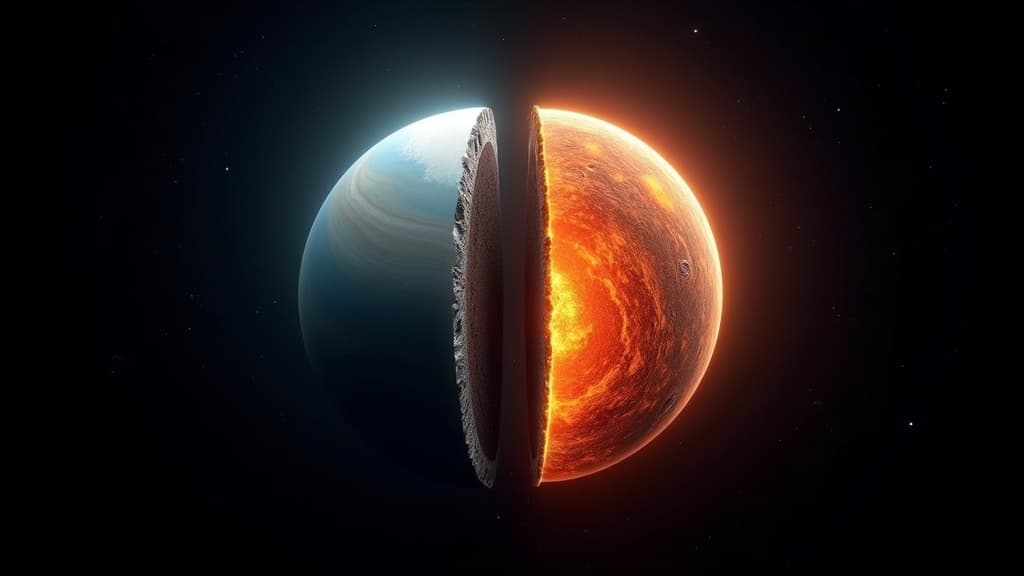
加州大學研究團隊近日發表新研究,質疑天王星與海王星的傳統「冰巨行星」分類。研究認為,這兩顆行星內部可能存在大規模岩漿海洋,而非以水冰為主的結構。由於航海家號任務後迄今未有深入調查,科學家對這兩顆行星的形成位置、內部組成仍知之甚少。若此假說獲證實,將重塑行星科學的分類體系,並改變對太陽系外類似行星的認識。國際天文學界正積極規劃天王星探測任務。
加州大學研究團隊推翻長久以來的認知,認為天王星與海王星內部可能存在岩漿海洋,而非傳統所認為的冰質結構,這將重塑人類對這兩顆太陽系邊陲行星的理解。
重點速覽
- 加州大學提出新假說,天王星與海王星應重新分類為「岩漿海洋巨行星」
- NASA航海家號飛掠確認後,這兩顆行星仍是太陽系探索最不充分的天體
- 科學家無法確定兩行星形成位置、內部結構及其物理特性的根本原因
- 岩漿海洋假說若成立,將衝擊行星科學分類體系及系外行星研究方向
- 國際天文學界正推動天王星專項探測任務,期盼未來數十年解答謎題
文章重點
- 加州大學研究團隊提出,海王星與天王星應被稱為「岩漿海洋巨行星」,而非傳統的「冰巨行星」。
- 航海家號飛掠雖初步確認冰巨行星分類,但兩顆行星至今從未受到深入系統性探測。
- 科學家目前無法確定海王星與天王星在早期太陽系中的形成位置與內部真實組成。
- 若「岩漿海洋」假說獲證實,將對行星科學分類體系及太陽系外行星研究產生重大影響。
太陽系認知翻盤:冰巨行星新詮釋
長期以來,天王星(Uranus)與海王星(Neptune)在天文學教科書中被劃為「冰巨行星」(ice giants)的分類,但加州大學的最新研究團隊卻提出顛覆性的觀點,認為這兩顆行星或許更應被稱為**「岩漿海洋巨行星」(magma-ocean giants)**。
航海家號之後,探索陷入停滯
1980 年代,NASA 的航海家號(Voyager)飛掠任務為這兩顆遙遠行星帶來第一批直接觀測數據,科學界由此確認了它們的「冰巨行星」身份。然而,逾 40 年來,天王星與海王星成為太陽系中探索最不充分的行星。除了航海家號的匆匆一瞥,人類迄今未曾對這兩顆行星進行深入系統性的科學調查。
這也意味著,科學家對於許多基本問題仍然一無所知:
- 形成位置之謎:這兩顆行星最初是在太陽系的何處形成?後來如何遷移至現在的軌道?
- 內部組成之謎:其內部結構究竟由什麼物質組成?
- 物理特性之謎:何種機制造就了它們獨特的磁場、大氣動力學等現象?
岩漿海洋假說的科學意涵
加州大學的新假說認為,天王星與海王星的內部並非傳統觀念中以固態或液態水冰為主的冰質結構,而是存在溫度極高的岩漿海洋。這種內部結構將完全改變對這兩顆行星物理特性的解釋,包括其異常的磁場配置與複雜的大氣行為。
若此假說在未來的探測任務中獲得進一步證實,其衝擊將波及整個行星科學領域:首先,行星科學的分類體系需要進行重大調整;其次,對太陽系外類似行星(特別是那些與天王星、海王星質量相近的系外行星)的理解與詮釋也將面臨革新。
新一代探測計劃啟動
有鑑於這兩顆行星知識缺口之大,國際天文學界正積極推動新一代的專項探測任務。特別是針對天王星的探測計劃已成為多個航太機構的優先事項,目標是在未來十年至數十年內,通過軌道器、著陸器或大氣探測器等手段,蒐集足以解開這些基本謎題的數據。
這場「冰巨行星」定義的重新審視,正反映了現代天文學的本質:隨著觀測技術進步與理論模型演進,我們對宇宙的認識必然經歷不斷的修正與深化。
對台灣業者的意義
本則新聞雖聚焦於基礎天文學,但對台灣無人機與空拍產業無直接業務影響。然而,其科學認知的更新彰顯觀測技術創新的價值。台灣光學、感測器廠商(如大立光、聯詠等)供應的元件應用於衛星與探測器上,這類基礎天文學的突破往往帶動下一代感測與成像硬體的需求。若未來天王星探測任務啟動,相關光學與感測技術的升級可能間接拉動供應鏈需求。此外,類似的空間探測任務經驗也可為台灣發展太空遙感無人機應用提供參考基準。
常見問題
Newsletter
訂閱低空產業電子報
每日精選低空經濟與無人機產業新聞,直送您的信箱。
本文由 LAETimes 編輯部審核發佈 ·