丹麥誤擊事件暴露反無人機系統隱患 專家:CUAS 不應過度神話化
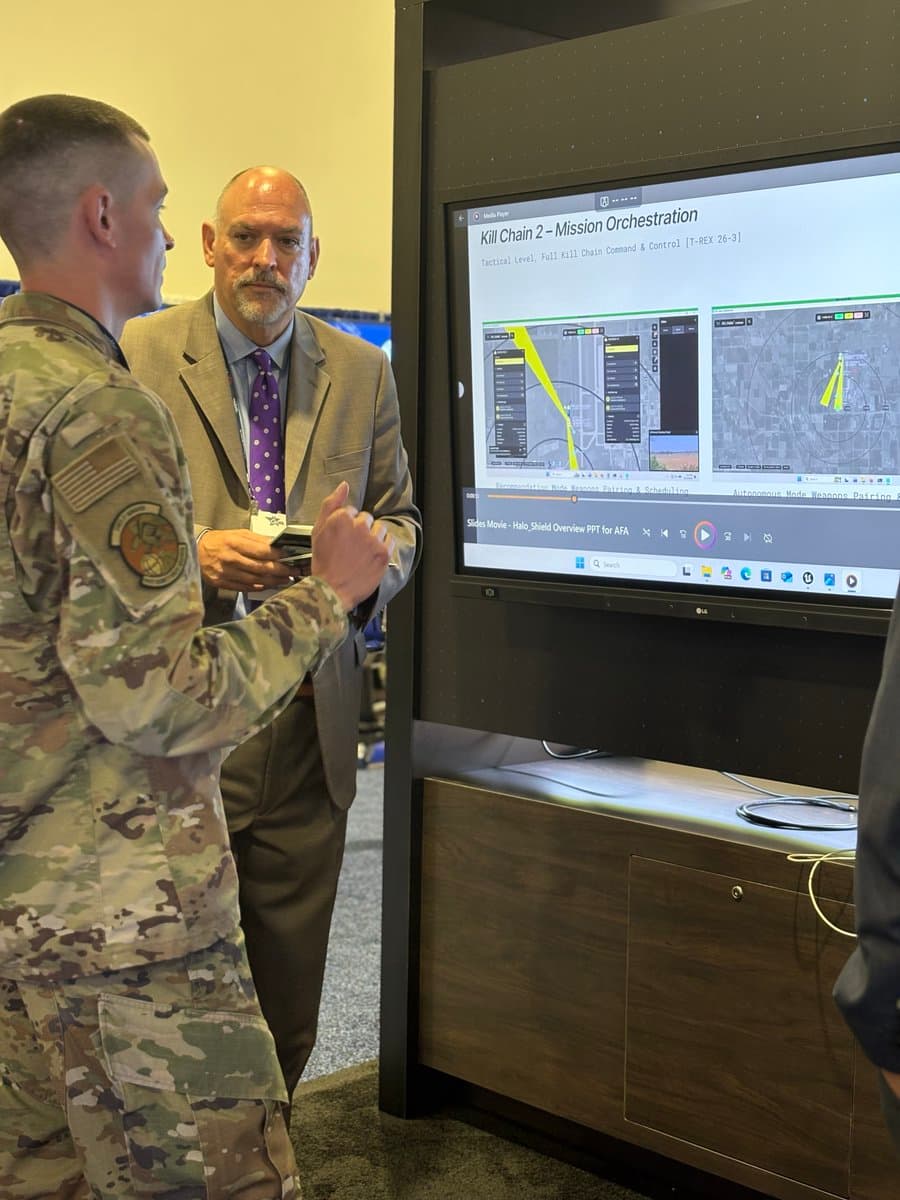
丹麥陸軍誤擊民航機事件暴露了反無人機系統(CUAS)的重大侷限。業界人士指出,CUAS 廠商的銷售宣傳往往誇大系統能力,在複雜空域環境中難以精確識別目標,誤判風險不容忽視。專家警告,軍事與安全單位在導入 CUAS 前應進行嚴謹的實地測試與風險評估,而非僅憑廠商提供的技術規格做出採購決策。此事件凸顯了反無人機防禦領域的現實挑戰。
丹麥陸軍證實誤擊民航機事件,再次凸顯反無人機系統(CUAS)在目標識別與誤判風險上的重大侷限,業界警告採購單位應謹慎評估,勿過度依賴廠商宣傳。
重點速覽
- 丹麥陸軍確認對疑似飛行器開火,引發反無人機系統可靠性質疑
- CUAS 難以在複雜空域精確區分無人機與合法民用軍用飛行器
- 業界指出系統誤判風險高,廠商銷售宣傳往往誇大實際效能
- 專家以 #FUDFTW 標籤諷刺廠商利用威脅渲染推銷產品
- 各國軍安單位應進行嚴謹實地測試,勿僅憑規格資料決策採購
文章重點
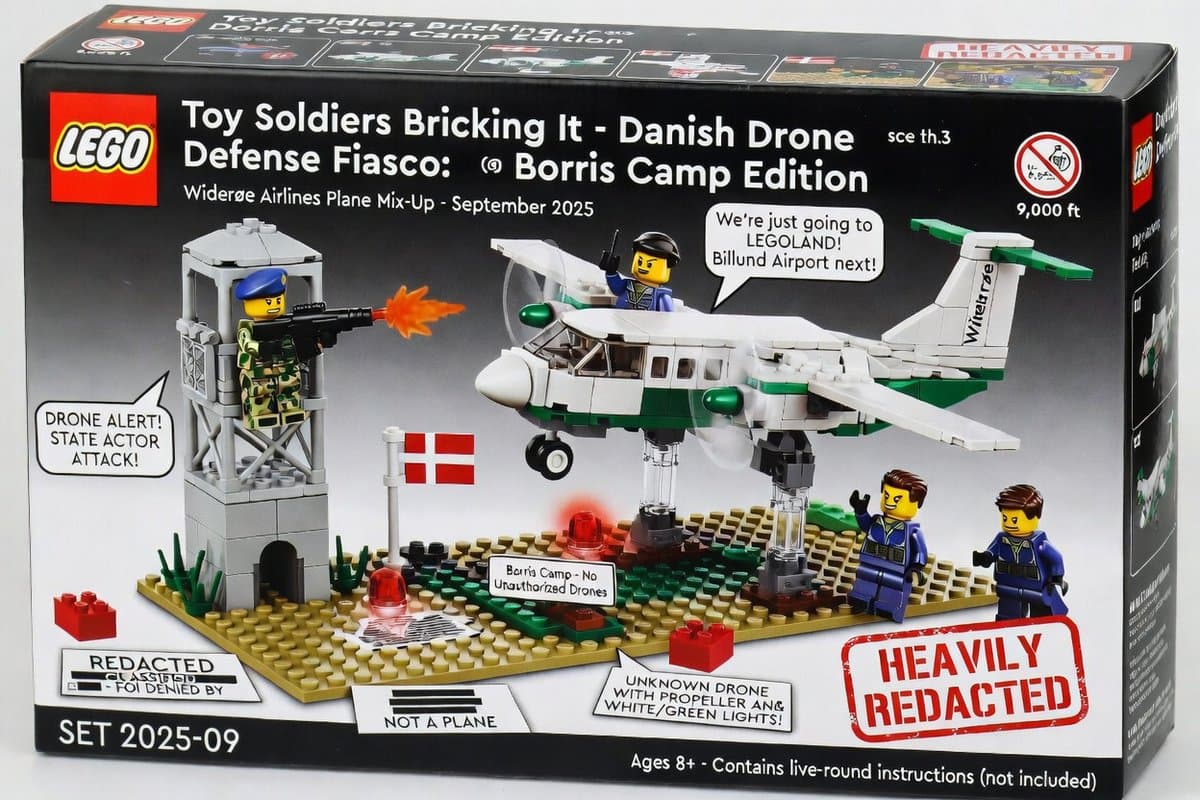
- 丹麥陸軍已正式證實,確實對外界懷疑的那架飛行器開火,事件屬實。
- 此事件暴露反無人機系統(CUAS)在實戰中目標識別不精確、誤判風險高的根本問題。
- 業界專家以 #FUDFTW 標籤批評部分 CUAS 廠商透過渲染威脅進行銷售,隱瞞系統實際限制。
- 軍事與安全單位在採購 CUAS 前,應進行嚴謹實地測試,而非僅依賴廠商規格資料。
丹麥陸軍誤擊事件暴露反無人機系統侷限
丹麥陸軍日前正式證實,確實對外界先前懷疑的飛行器開了火。這起事件再次將反無人機系統(Counter-Unmanned Aircraft Systems,CUAS)的實際可靠性與技術限制推上風口浪尖,引發業界對該類防禦系統的深刻反思。
CUAS 銷售宣傳與現實存在鴻溝
長期以來,CUAS 解決方案的供應商普遍以「一鍵解決空中威脅」作為主要行銷訴求,向軍方與政府部門承諾全面的防禦能力。然而,丹麥事件清楚說明,這類系統在實戰環境中面臨遠比宣傳資料更加複雜且危險的挑戰。
根據無人機安全領域的觀察,CUAS 系統面臨的主要技術困境包括:
目標識別精度不足——在多層次、高密度的空域環境中,系統難以準確區分來自不同飛行器的訊號特徵。合法的民用無人機、軍用固定翼機、直升機以及商業航班,在雷達與光電感測器上往往呈現相似的信號,增加誤判的機率。
誤判後果不可逆——一旦系統或操作人員做出錯誤的威脅判定並發動攻擊,後果可能包括民用航空器損失、人員傷亡與國際外交事件,而這些損害無法透過軟體更新或廠商補償完全修復。
過度信賴技術承諾——許多採購決策者在龐大的預算壓力下,傾向於相信廠商提供的規格與測試報告,而忽略了實驗室環境與戰場環境的本質差異。
業界警告:銷售話術與技術現實的落差
資深無人機安全分析人士以 #FUDFTW(Fear, Uncertainty, Doubt For The Win)標籤評論此事。這一標籤諷刺部分 CUAS 廠商透過渲染無人機威脅、強調「空中威脅日益嚴峻」來驅動採購需求,卻對自家系統的固有限制、誤判風險與操作複雜性刻意迴避或輕描淡寫。
這種行銷策略在防禦產業並不罕見,但當其涉及生命安全與國家安全時,廠商與採購單位的責任應當遠高於一般商業交易。
對各國軍安單位的啟示
丹麥事件為全球各國防禦部門敲響了警鐘。在未來導入任何 CUAS 解決方案前,軍事與民航安全單位應該:
- 進行獨立的實地測試,而非僅依賴廠商提供的室內或控制環境測試報告
- 建立嚴格的目標識別協議,將誤傷民用飛行器的風險降至最低
- 保留人工介入機制,確保關鍵的開火決策不完全自動化
- 定期更新威脅評估,根據實際運作經驗調整系統參數與操作程序
目前,此次丹麥陸軍誤擊事件的調查仍在進行中。該事件的最終報告將對全球 CUAS 產業與採購標準的制定產生深遠影響,各國防禦部門應密切關注後續進展。
對台灣業者的意義
此事件對台灣無人機業者與軍安單位具有實質意義。一方面,台灣本地的反無人機系統研發廠商(如民間防禦科技公司)應認真研究丹麥案例,避免重複其誤判失誤,強化自家產品的目標識別準確度與人工審核機制。另方面,台灣民航局與國防部在評估引入 CUAS 防禦方案時,應借鏡此事件,對廠商提案進行更嚴謹的獨立驗證,建立本土化的操作標準與誤傷防止協議,尤其在台灣空域繁忙、民用與軍用飛行器混雜的背景下,誤判風險管理尤為重要。此外,本地無人機運營商應關注後續的反無人機管制政策調整,預作法遵準備。
常見問題
本文由 LAETimes 編輯部審核發佈 ·