FBI警告武裝無人機恐襲迫在眉睫 美國面臨反制法規缺口
FBI副局長克里斯·萊亞近日發出警告,武裝無人機恐怖攻擊在美國發生已成「時間問題」。他指出遙控無人機取得門檻持續下降,恐怖組織從烏克蘭與中東衝突汲取實戰經驗,使威脅程度大幅上升。消費型多旋翼無人機輕易可在電商平台購得,改裝技術在網路廣泛流傳,大幅降低了非國家行為者發動攻擊的技術難度。美國面臨反無人機法規框架缺口,現行法律嚴格限制執法機關擊落或干擾無人機的權限。國會雖有多項反無人機立法提案待審,但進展緩慢,業界呼籲加快立法進度以完善法規漏洞。
FBI副局長克里斯·萊亞警示,搭載爆炸物的無人機恐怖攻擊在美國發生已成「時間問題」。他指出商用無人機易於取得與改裝,恐怖組織從烏克蘭、中東實戰汲取戰術經驗,使威脅急劇升高。
重點速覽
- FBI副局長克里斯·萊亞於2025年6月24日警告,武裝無人機恐襲在美國發生只是時間問題。
- 消費型多旋翼無人機易於電商採購,改裝技術網路流傳,降低恐怖分子發動攻擊的技術門檻。
- 烏克蘭與中東衝突中無人機被廣泛用於攻擊,恐怖組織已掌握實戰戰術知識與改裝經驗。
- 美國現行法律限制執法機關反無人機權限,國會反無人機立法提案進展緩慢面臨困境。
- FBI已將武裝無人機列為最優先國土安全威脅,與聯邦執法及情報單位密切合作研擬應對措施。
文章重點
- FBI副局長Chris Raia於2025年6月24日警告,搭載爆炸物的無人機在美國發動恐攻「只是時間問題」。
- 遙控無人機取得門檻持續降低,恐怖組織已從烏克蘭與中東衝突中汲取無人機攻擊實戰經驗。
- FBI已將武裝無人機列為當前最優先的國土安全威脅之一,正與情報及執法單位研擬應對措施。
- 美國現行法律嚴格限制執法機關攔截無人機的權限,國會反無人機立法進展緩慢,法規漏洞待填補。
FBI警告:武裝無人機恐襲已成迫在眉睫的威脅
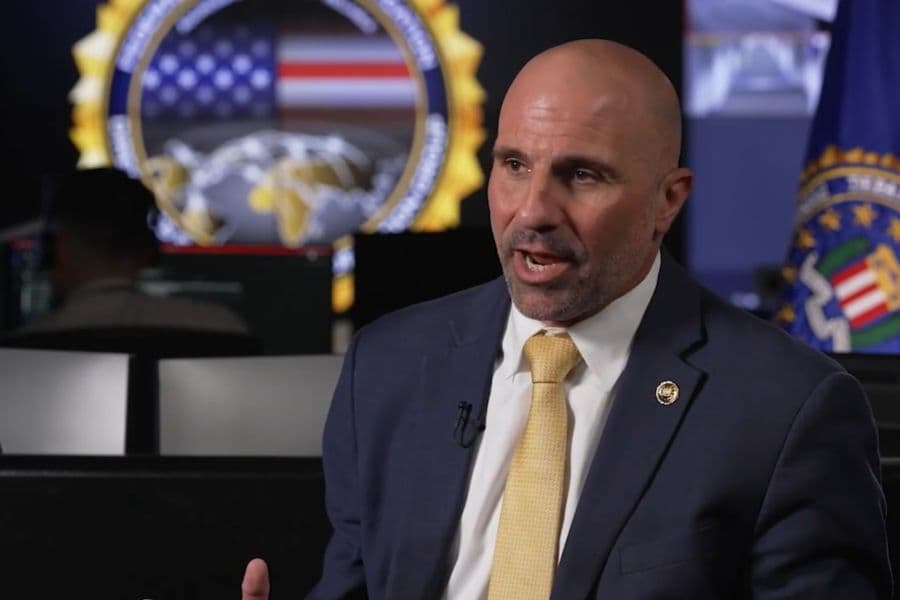
FBI副局長克里斯·萊亞(Chris Raia)於2025年6月24日接受Fox News採訪時發出嚴峻警告,表示搭載爆炸物的無人機被用於恐怖攻擊,在美國境內發生已不是「是否發生」,而是「何時發生」的問題。這番言論凸顯美國聯邦執法機構對無人機威脅的高度警覺。
威脅來源:技術普及加實戰經驗
萊亞指出,此類威脅升高的主要原因有二。首先,遙控無人機的取得門檻持續降低。消費型多旋翼無人機已成大眾化產品,在主要電商平台輕易可得,價格親民。其次,恐怖組織從海外衝突——尤其是烏克蘭戰爭與中東地區的實戰經驗——汲取了大量戰術知識。俄烏衝突中,雙方廣泛使用改裝型無人機執行轟炸任務,中東武裝組織亦將商用無人機改造為精準打擊工具,針對基礎設施發動攻擊。這些實戰案例在網路流傳,為恐怖組織提供了改裝與操作指南。
FBI已將武裝無人機列為當前最優先關注的國土安全威脅之一,正與聯邦執法機構、情報機關密切合作,研擬應對措施與防禦策略。
法規漏洞成應對瓶頸
美國在反無人機(Counter-UAS)法規框架上面臨重大缺口。依據現行法律,授權執法機關擊落、干擾或接管無人機的權限受到嚴格限制,僅有少數聯邦機構在特定條件下獲得有限授權。這意味著地方警察、機場保安等基層執法單位在面對無人機威脅時,法律上的應對手段極為有限。
美國國會已提出多項反無人機立法提案,涵蓋擴大執法機關權限、建立無人機監控系統、強化遠端識別(Remote ID)等內容,但立法進展相對緩慢。各界呼籲加快立法速度,以填補法規漏洞,賦予地方執法單位更明確的應對依據與技術工具。
平衡開放與安全的核心課題
萊亞的警告再度凸顯美國面臨的核心政策困境:如何在保護民眾飛行自由與商業無人機產業發展的前提下,同時構築有效的安全防線。無人機技術的普及已成定局,單靠限制銷售或進口無法解決問題。關鍵在於建立完善的法規框架、反制技術及執法工具,在開放使用與嚴密管制之間取得平衡。
對台灣業者的意義
此警告對台灣無人機業界與操作者具有重要啟示。台灣商業無人機操作者應認識到,儘管國內無人機法規相對嚴格(由民航局主管),但國際威脅升高可能驅動台灣強化相關法規與監管措施。DJI等主要廠商需關注美國反無人機立法動向,該法規可能要求強化遠端識別、地理圍欄等功能,或限制特定市場銷售,進而影響台灣業者的設計與出口合規策略。另外,基礎設施巡檢、農業植保等關鍵應用服務業者應預先評估未來法規趨嚴對BVLOS飛行許可、飛行區域限制的影響,並在法規框架變動前完成相關營運調整。
常見問題
Newsletter
訂閱低空產業電子報
每日精選低空經濟與無人機產業新聞,直送您的信箱。
本文由 LAETimes 編輯部審核發佈 ·