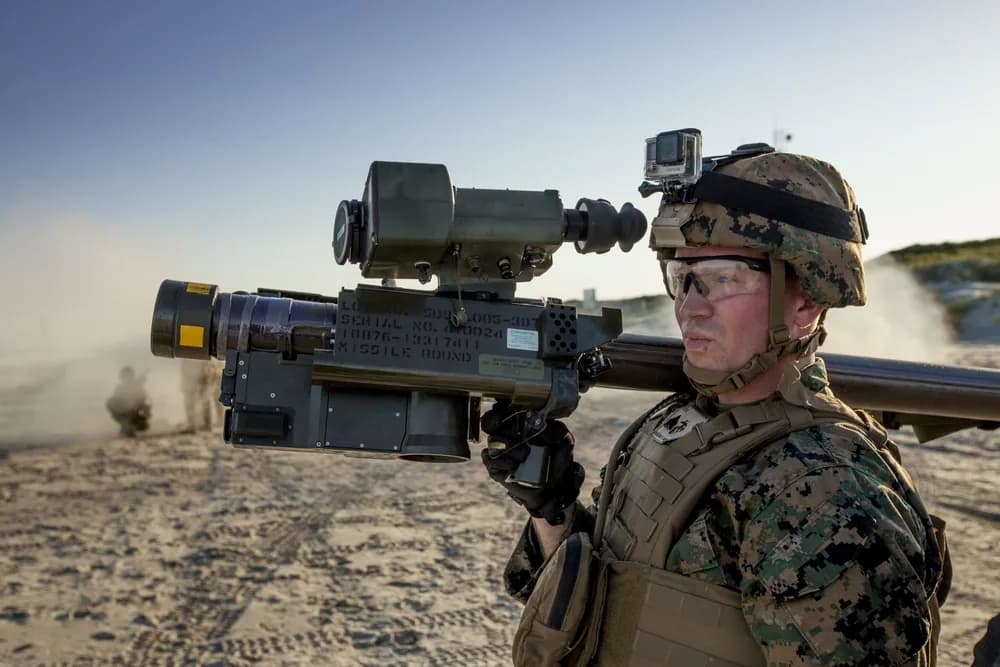
Brazil Approved to Purchase FIM-92K Stinger Missiles to Bolster Low-Altitude Defense Against Drone Threats
The U.S. government has approved the sale of FIM-92K Stinger man-portable air-defense missiles to Brazil, marking a significant step in the country's effort to counter growing threats from drones, helicopters, and other low-altitude aerial targets. The acquisition deepens U.S.-Brazil defense cooperation and signals Brazil's commitment to modernizing its air-defense capabilities.

Highlights
- The U.S. government approved the sale of FIM-92K Stinger MANPADS missiles to Brazil to strengthen its low-altitude air-defense capabilities against drone and helicopter threats.
- The FIM-92K Stinger, developed by Raytheon Technologies, is a latest-generation portable air-defense system capable of intercepting drones, helicopters, and fixed-wing aircraft.
- The arms sale deepens U.S.-Brazil defense cooperation and underscores Brazil's role as a key regional security partner in South America.
- Brazil's acquisition reflects a global trend of militaries investing in counter-drone and low-altitude defense systems as drone threats continue to evolve.
- The deal is expected to have a significant impact on the air-defense strategic landscape across South America.
Brazil Approved to Purchase FIM-92K Stinger Missiles to Bolster Low-Altitude Defense Against Drone Threats
BRASÍLIA — The U.S. government has approved the sale of FIM-92K Stinger missiles to Brazil, marking a significant milestone in the country's drive to strengthen its low-altitude air-defense capabilities. As threats posed by drones, helicopters, and other aerial targets continue to rise, Brazil is actively working to upgrade its national air-defense architecture.
Responding to Emerging Aerial Threats
The rapid proliferation of drone technology in recent years has expanded its use far beyond civilian applications, increasingly raising security concerns. From low-altitude reconnaissance to strike missions, the diverse operational uses of drones have prompted military establishments worldwide to reassess their low-altitude defense requirements. Brazil's acquisition of the FIM-92K Stinger missile is a direct strategic response to this new class of aerial threat.
About the FIM-92K Stinger Missile System
The FIM-92K Stinger is the latest-generation man-portable air-defense system (MANPADS) developed by Raytheon Technologies. It features advanced target identification and precision guidance technology capable of effectively intercepting low-altitude threats including drones, helicopters, and fixed-wing aircraft. Its lightweight, portable design allows ground forces to deploy flexibly across a wide range of complex terrain environments, making it one of the most widely recognized individual soldier air-defense weapons systems in the world.
Deepening U.S.-Brazil Defense Cooperation
The approval of this arms sale reflects not only U.S. recognition of Brazil as a key regional security partner, but also the continued deepening of bilateral defense cooperation. As South America's largest nation, Brazil bears significant responsibility for maintaining regional stability. Strengthening its air-defense capabilities will enhance its overall readiness to respond to a broad spectrum of security challenges.
Outlook
As the global drone threat landscape continues to evolve, demand for low-altitude defense systems among military establishments worldwide is expected to grow. Brazil's acquisition of the FIM-92K Stinger demonstrates its proactive stance on military modernization, and is anticipated to have a lasting impact on the air-defense strategic landscape across South America.
Source: Defense Feeds, Brasília
原文來源: 查看原文
FAQ
Newsletter
Subscribe to our Low-Altitude Industry Newsletter
Daily curated news on low-altitude economy and drone industry, delivered to your inbox.