開源遊戲引擎 Godot 祭出新規:全面禁止 AI 自動化貢獻,強制人工審查把關
Godot 遊戲引擎官方宣佈更新貢獻政策,針對 AI 生成程式碼造成的審查負擔與志工倦怠問題做出三大禁令:禁止自主 AI 代理程式、禁止大量 AI 生成程式碼、禁止在人際溝通中使用 AI 文字。所有 Pull Request 合併前須經人工審查與核准。此舉反映開源社群日益重視程式碼品質與社群互動,其他知名專案如 Mesa、NetBSD、Linux 核心亦採取類似措施應對 AI 工具濫用問題。
Godot 遊戲引擎因大量低品質 AI 生成程式碼淹沒 PR 審查流程,導致志工士氣受挫,官方正式更新貢獻政策,禁止自主 AI 代理程式與大規模 AI 程式碼提交,所有合併請求需人工核准。
重點速覽
- Godot 禁止自主 AI 代理程式、大量 AI 生成程式碼及人際溝通中的 AI 文字
- 新政策強制所有 PR 須經真人審查與核准後始能合併進主幹
- AI 生成內容湧入致審查員負擔加重、士氣低落,成為修訂政策主因
- NetBSD 將 LLM 生成程式碼視為受污染,Linux 核心則採取聲明制
- 越來越多開源專案正式將 AI 工具濫用排除在外,保護社群品質與文化
文章重點
- Godot 遊戲引擎因大量 AI 生成低品質 PR 湧入,正式更新貢獻政策以保護志工審查員資源。
- 新政策明確禁止自主 AI 代理程式、大量 AI 生成程式碼,以及人際溝通中使用 AI 生成文字。
- 所有 PR 合併前須強制經由真人審查並核准,確保程式碼品質與責任歸屬。
- Godot 政策與 Mesa、NetBSD、Linux 核心等開源專案的應對策略方向一致,但寬嚴程度各有不同。
- 目前已有跡象顯示 AI 工具濫用正減少開源專案的有效貢獻互動,多個主流專案正逐步加以管制。
開源社群面臨 AI 濫用困境
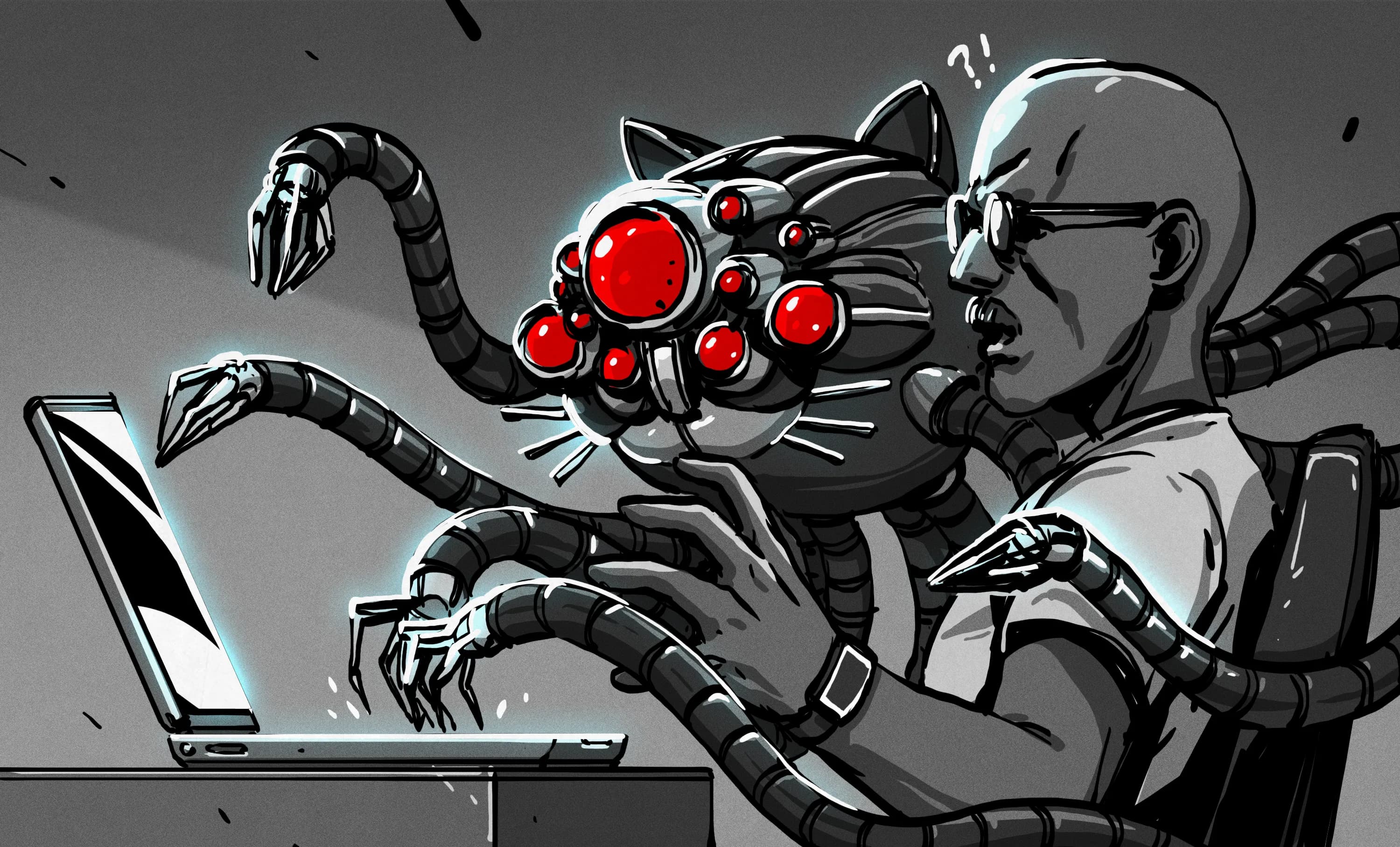
Godot 遊戲引擎近日面臨與許多主流開源專案相同的挑戰——大量提交請求(Pull Request,簡稱 PR)湧入。隨著 AI 程式碼生成工具普及,這個問題變得日益棘手:PR 數量增加,但程式碼品質卻不成正比地下降,這種反向關係對數量有限的志工審查員造成沉重負擔,最終促使 Godot 團隊採取行動。
AI 生成內容對社群造成的傷害
根據 Godot 官方公告,問題遠不止工作量增加。提交 AI 生成 PR 的人往往缺乏學習意願,有些甚至是完全自動化的代理程式,根本無法參與有意義的技術討論,更不可能成為專案的長期貢獻者。這類無法互動、無法成長的提交方式正在蠶食志工審查員的士氣,使他們感受到時間與精力的浪費。
新政策的三大禁令與強制審查機制
Godot 的新貢獻政策明確規定三項禁止事項:
- 禁止自主 AI 代理程式及「感覺編程」——直接排除完全自動化的提交流程
- 禁止大量 AI 生成程式碼——防止未經深思的批量程式碼湧入
- 禁止在人與人溝通中使用 AI 生成文字——保護社群對話的真誠性與可信度
最關鍵的強化措施是人工審查強制要求:所有 PR 合併前必須由真人審查員審核與核准,確保程式碼品質與設計理念的一致性。
開源社群的集體應對
Godot 並非孤例。業界其他重量級專案採取的策略各異:
- Mesa 專案同樣要求提交者對提交的程式碼有真正的理解
- NetBSD 採取更激進的做法,直接將 LLM 生成的程式碼列為「受污染(tainted)」,理由包括潛在授權問題與代碼溯源風險
- Linux 核心則選擇透明聲明制,要求使用 AI 工具的提交者主動說明,將後果責任歸於人類提交者
業界反思與未來展望
Godot 的決策反映了開源社群的共同認知:無差別地接納 AI 生成內容正在侵蝕專案的程式碼品質與社群文化。雖然 AI 工具有其應用價值,但當其被濫用為「短期衝量」的手段時,付出代價的是那些無償投入心血維護專案的志工。
越來越多開源專案正式排除 AI 工具的不當使用,這不是對 AI 的全盤否定,而是為了保護開源生態的長期健康與可持續性。對於重視程式碼卓越性與社群信任的專案而言,這種自我保護機制是必要的選擇。
對台灣業者的意義
雖然 Godot 主要是遊戲開發引擎,但其政策更新在台灣無人機產業具有參考意義。許多無人機軟體控制系統、飛行管理系統、地面站軟體均採用開源元件或依賴開源套件。隨著 AI 程式碼生成工具普及,台灣業者若以 ChatGPT、Copilot 等工具進行無人機韌體、自動駕駛演算法開發,應留意代碼出處、授權合規與品質檢驗。特別是涉及飛行安全的關鍵元件,不應盲目採用未經審查的 AI 生成程式碼。此政策反映開源社群重視「可追溯性」與「人工驗證」的趨勢,對台灣無人機廠商的軟體供應鏈管理與飛安認證流程亦有啟示。
常見問題
Newsletter
訂閱低空產業電子報
每日精選低空經濟與無人機產業新聞,直送您的信箱。
本文由 LAETimes 編輯部審核發佈 ·