Counter-Drone Simulator Training: Shahed Easy to Engage, Other UAS Types Nearly Invisible
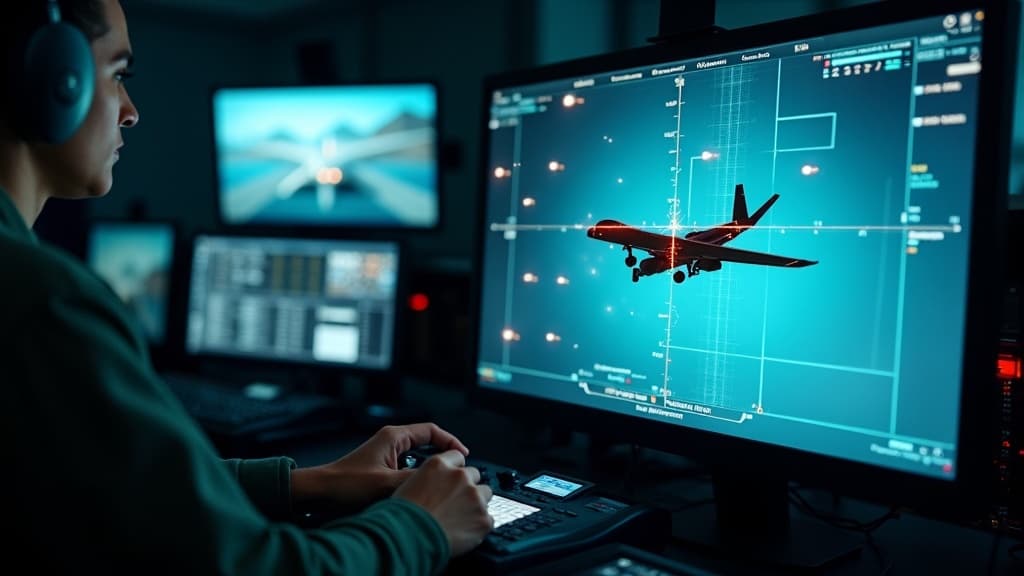
A social media discussion has highlighted a potential gap in counter-UAS simulator training: while the Iranian-made Shahed drone is relatively easy to identify and engage in simulation environments, other drone types are difficult or impossible to recognize. The debate raises concerns about the completeness of drone model libraries in training simulators and their real-world effectiveness.

Highlights
- Social media users reported that the Iranian-made Shahed-series drone is comparatively easy to identify and engage in counter-UAS flight simulators due to its distinctive delta-wing shape.
- Other drone types, including small commercial and military UAS variants, are difficult or invisible to recognize in the same simulation environments, exposing a gap in model library coverage.
- Incomplete visual modeling of drone threats in simulators may leave Counter-UAS operators underprepared when facing diverse real-world UAS threats.
- The Shahed drone gained widespread recognition through its extensive use in the Russia-Ukraine conflict, making it one of the most commonly simulated threat platforms.
- The debate highlights growing industry pressure on simulation software developers to expand and update drone model databases to match the rapidly diversifying UAS threat landscape.
Counter-Drone Simulator Training Under Scrutiny
A conversation circulating on social media has drawn attention to the limitations of current counter-drone (Counter-UAS) simulation training platforms. Participants noted that in certain flight simulators, the Iranian-manufactured Shahed-series drone is comparatively easy to lock onto and engage — but other drone types are difficult to identify, or virtually invisible, within the same simulation environment.
The exchange highlights a potential gap in Counter-UAS training: the visual fidelity and aircraft model coverage of a simulator directly determines how effective that training will be in real-world operations. If a simulator can only accurately render specific drone types while leaving other threat models visually underrepresented, operators may enter the field ill-prepared to identify and respond to the full spectrum of drone threats they could encounter.
The Shahed series has become one of the most recognizable drone platforms in modern conflict, having been extensively deployed during the Russia-Ukraine war. Its distinctive delta-wing silhouette makes it relatively straightforward to identify. However, the broader threat landscape is growing increasingly diverse — from small commercial drones modified for military use to a wide variety of purpose-built military UAS — placing greater demands on both counter-UAS systems and the operators who use them.
The discussion underscores the importance of comprehensive drone model databases within Counter-UAS training software. It also reflects a broader industry concern: as drone threats diversify, simulation tools must evolve in parallel to ensure training remains operationally relevant and effective.
原文來源: 查看原文
FAQ
Newsletter
Subscribe to our Low-Altitude Industry Newsletter
Daily curated news on low-altitude economy and drone industry, delivered to your inbox.