Shield AI V-BAT 垂直起降無人機獲波蘭軍採購 強化波羅的海海域防衛
美國國防科技公司 Shield AI 宣布波蘭軍備局正式簽署合約,採購 V-BAT 垂直起降無人機支援波蘭海軍作戰行動。V-BAT 將部署於波蘭海軍艦艇,提供海域感知與情報監視偵察能力。此款無人機採涵道風扇設計、續航超 12 小時、搭載重油引擎,可在 GPS 訊號遭干擾環境下穩定運作。封閉式旋翼設計支援艦甲板自主起降,成本與後勤負擔遠低於北約第二、三類系統。波蘭成為歐洲第三個採用國,歐洲已有希臘、荷蘭採用,美國海軍及日本海上自衛隊亦為操作單位。
美國國防科技公司 Shield AI 宣布波蘭軍備局簽署採購合約,引進 V-BAT 垂直起降無人機支援波蘭海軍作戰,強化波羅的海地區戰力防衛與海域感知能力。
重點速覽
- Shield AI V-BAT 無人機獲波蘭軍備局採購合約,部署波蘭海軍艦艇執行ISR任務。
- V-BAT 續航超 12 小時、採重油引擎,可在干擾環境與惡劣海況下全天候運作。
- 涵道風扇設計支援艦甲板自主起降,後勤成本遠低於北約第二、三類無人機系統。
- 波蘭加入歐洲操作陣容,歐洲已有希臘、荷蘭採用,美日海軍亦為操作單位。
- V-BAT 已在烏克蘭實戰驗證,特別適合電子戰對抗與遠征海上任務環境。
文章重點
- 波蘭軍備局正式簽署合約,向 Shield AI 採購 V-BAT 垂直起降無人機,用於支援波蘭海軍海上作戰任務。
- V-BAT 將部署於波蘭海軍艦艇上,執行海域感知與 ISR 偵察任務,應對波羅的海日益頻繁的基礎設施安全威脅。
- V-BAT 屬於北約第一類 VTOL 無人機,採涵道風扇設計,續航超過 12 小時,並已在烏克蘭電子戰環境中驗證實戰能力。
- V-BAT 封閉式旋翼設計可在艦艇甲板自主起降,成本與後勤負擔遠低於北約第二、三類系統。
- 波蘭加入後,V-BAT 操作國已涵蓋美國海軍、日本海上自衛隊、希臘及荷蘭等多個盟國海軍。
Shield AI V-BAT 無人機進駐波蘭海軍
美國國防科技公司 Shield AI 日前宣布重大軍事採購案,波蘭軍備局已正式簽署合約採購 V-BAT 垂直起降無人機系統,用於支援波蘭海軍的作戰行動與海域感知任務。此舉標誌著這款無人機在歐洲北約陣營的部署版圖再度擴大。
V-BAT 部署任務與戰術地位
V-BAT 機隊將部署於波蘭海軍艦艇上,主要承擔海域感知(Maritime Domain Awareness)與情報、監視及偵察(ISR)支援任務。在波羅的海地區日益頻繁的能源與通訊基礎設施安全威脅背景下,波蘭海軍需要一套經過實戰驗證、低成本且可靠的無人機支援系統,以強化指揮官對動態威脅的掌握與快速反應能力。
Shield AI 總裁暨共同創辦人 Ryan Tseng 強調,V-BAT 已在烏克蘭及其他地區證明其實戰價值,特別是在 GPS 與通訊訊號遭受干擾或阻斷的惡劣環境中表現突出。他指出,波羅的海當前面臨的複雜電子戰環境要求感測平台必須在任何天候與海況下穩定運作,V-BAT 正好具備這些關鍵能力,將成為波蘭、波羅的海國家及北約的戰力倍增器。
核心技術規格與設計優勢
V-BAT 屬於北約第一類(NATO Class I)無人機系統,採用涵道風扇(Ducted Fan)設計,具有以下技術特色:
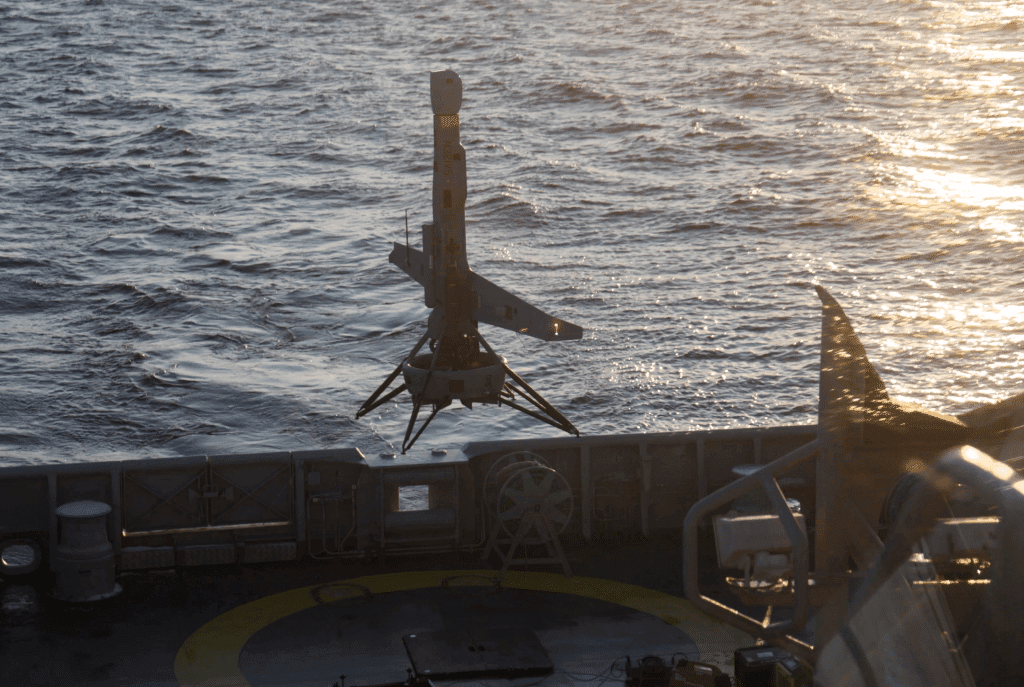
續航與動力:超過 12 小時的超長續航時間、搭載重油引擎動力系統,並採單發動機配置,可靠性與經濟性兼備。
設計特色:封閉式旋翼設計是其獨特優勢,使無人機能在波濤洶湧的艦甲板、城市屋頂及簡易野戰環境中安全自主起降,特別適合海上與遠征作戰任務。
抗干擾能力:專為電子戰對抗環境設計與測試,能在 GPS 拒止環境下持續執行任務。
成本效益:與北約第二類(Class II)與第三類(Class III)無人機系統相比,V-BAT 的採購成本與後勤負擔遠為低廉,提供 ISR 與目標指示能力的同時兼顧經濟效率。
國際部署版圖持續擴張
波蘭海軍的採購案進一步鞏固了 V-BAT 在北約與盟國海軍中的戰略地位。目前在歐洲已有希臘與荷蘭採用 V-BAT,美國海軍與日本海上自衛隊也是此款無人機的操作單位。波蘭的加入使得 V-BAT 在全球主要海軍力量中的應用範圍進一步擴大,印證其在各類海上任務環境中的適應能力與可靠性。
此次合約簽署不僅代表 Shield AI 在軍事無人機市場的商業成功,更反映了北約國家在應對波羅的海安全挑戰時,對低成本、高可靠性無人系統的迫切需求。
對台灣業者的意義
V-BAT 無人機在北約海軍中的持續部署擴張,對台灣無人機產業具有觀察價值。首先,Wave Relay 等台灣通訊系統廠商可參考 V-BAT 在 GPS 拒止環境下的運作模式,強化對抗干擾通訊方案的開發。其次,台灣海巡及海軍採購無人機時,可參考 V-BAT 的艦甲板起降設計與成本結構,評估與國際產品的差異。第三,台灣無人機服務業者(如基礎設施巡檢、海事應用廠商)應關注 V-BAT 在電子戰環境下的應用案例,為未來相關任務的技術需求預做準備。
常見問題
本文由 LAETimes 編輯部審核發佈 ·