Ukraine Downs Russia's $19M Mi-28N Attack Helicopter with a $400 FPV Drone
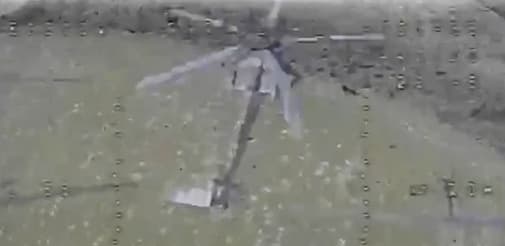
Ukrainian Drone Forces commander Robert 'Madyar' Brovdi confirmed on September 29 that the 59th Brigade downed a Russian Mi-28N 'Havoc' attack helicopter in Donetsk Oblast using an FPV drone costing approximately $400—against a target valued at roughly $19 million—highlighting the asymmetric potential of low-cost drone warfare.
Highlights
- Ukraine's 59th Drone Brigade downed a Russian Mi-28N 'Havoc' attack helicopter in Donetsk Oblast on September 29, as confirmed by Drone Forces commander Robert 'Madyar' Brovdi.
- The FPV drone used in the strike cost approximately $400, while the destroyed Mi-28N is valued at roughly $19 million—a cost-exchange ratio of nearly 1:47,500.
- The Mi-28N is one of Russia's most advanced attack helicopters, equipped with night-vision systems, anti-tank missiles, and a cannon for close air support missions.
- FPV drones have become a cornerstone of Ukraine's strategy to counter Russian armored and rotary-wing assets at scale and at low cost.
- Commander Brovdi has cited rapid drone unit expansion and continuous tactical innovation as key to Ukraine maintaining battlefield competitiveness under resource constraints.
Robert 'Madyar' Brovdi, commander of Ukraine's Drone Forces, announced on September 29 that Ukrainian troops in Donetsk Oblast had destroyed a Russian Mi-28N attack helicopter using a first-person-view (FPV) drone costing approximately $400. The strike underscores the disruptive potential of asymmetric tactics in modern warfare.
The Unit Behind the Strike
The mission was carried out by drone operators from the 59th Brigade of Ukraine's Drone Forces—an elite unit dedicated to unmanned systems operations that has executed numerous high-value strikes along the front line in recent years.
The Mi-28N: Russia's Advanced Attack Helicopter
The Mi-28N, designated 'Havoc' by NATO, is one of Russia's most capable frontline attack helicopters, with a unit cost of approximately $19 million. It is equipped with advanced night-vision systems, anti-tank missiles, and a powerful cannon, and is primarily tasked with close air support and battlefield interdiction missions.
The $400-vs-$19M Asymmetric Equation
The operation once again highlights the transformative role FPV drones are playing on the modern battlefield. A consumer-grade, modified FPV drone costing roughly $400 successfully destroyed a military asset worth nearly 47,500 times as much—a cost-exchange ratio that has significant implications for force planning and equipment procurement.
Since the outbreak of the Russia-Ukraine war, FPV drones have become a cornerstone of Ukraine's strategy for countering Russian heavy equipment. By deploying low-cost unmanned systems at scale, Ukrainian forces have effectively disrupted Russian armored formations, rotary-wing assets, and logistics supply lines.
Ukraine's Drone Tactics Continue to Evolve
Since its establishment, Ukraine's Drone Forces have accumulated extensive combat experience, continuously refining FPV drone control techniques and tactical doctrine. Commander Brovdi has repeatedly emphasized that the rapid expansion of drone units and ongoing technological innovation are critical to maintaining Ukraine's battlefield competitiveness despite resource constraints.
The downing of the Mi-28N in Donetsk Oblast serves as further evidence that low-cost drone technology has fundamentally reshaped the character of modern warfare—and has drawn growing attention from international military analysts regarding the strategic role of unmanned systems in future conflicts.
原文來源: 查看原文
FAQ
Reviewed and published by the LAETimes editorial desk ·